Faulty Online Order? How to Claim a Remedy Under Australian Consumer Law
Your parcel turned up cracked, wrong or dead on arrival, and the seller is now a chat window rather than a person behind a counter. Here's the order of operations that actually gets a refund, replacement or repair under the Australian Consumer Law.

6 min read
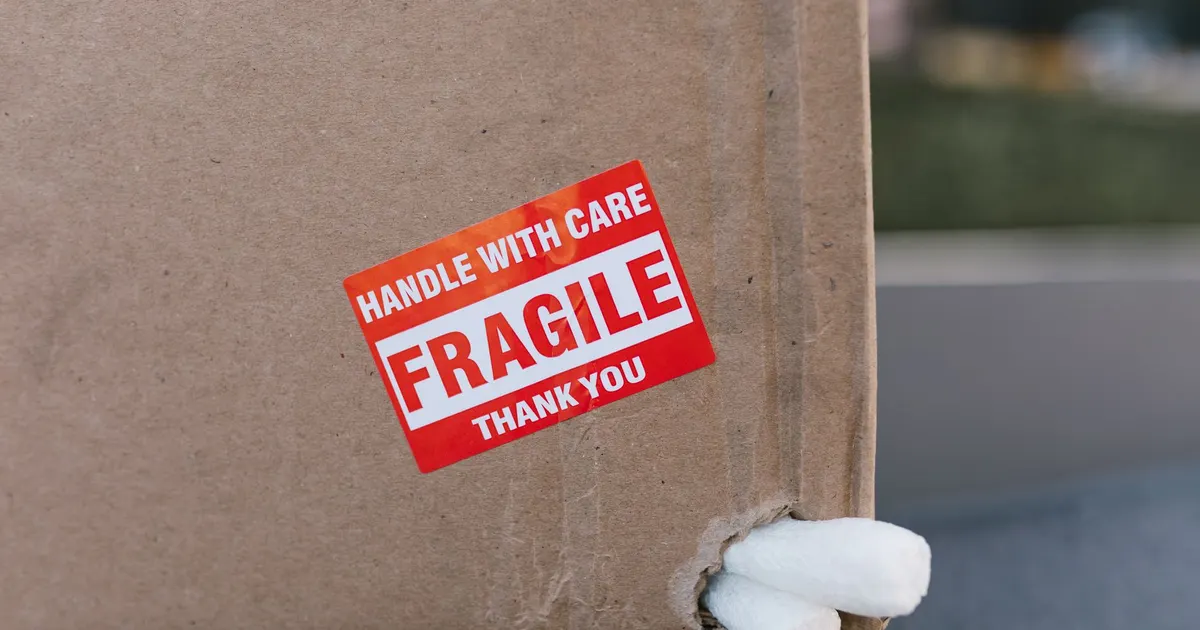
Photo: RDNE Stock project / Pexels
A parcel that arrives cracked, wrong or dead on arrival is a specific kind of annoying: you've already paid, you've already waited, and the seller is now a chat window rather than a person behind a counter. The good news is that the Australian Consumer Law doesn't care whether you bought in-store or online, and it doesn't care what the seller's returns page says. Here's the order of operations that actually gets a result.
What the Australian Consumer Law covers
The ACL is one national set of rules sitting inside the Competition and Consumer Act. It applies to goods and services bought from Australian businesses, and it applies to online orders exactly as it does to a purchase at a shop counter. It's automatic — you don't have to buy an extended warranty to get it, and a seller can't sign it away with a clause buried in their terms.
The guarantees that matter for an online order
When you buy from a business, the goods must be:
- Of acceptable quality — safe, durable, free from defects, and doing what a reasonable person would expect given the type of product and how it was described.
- Fit for a disclosed purpose — if you told the seller you needed it for something specific and they said it would do the job, it has to do the job.
- Matching the description — the listing, photos, sample and packaging all form part of the description. A listing that says one material and turns up another is a failure, not a misunderstanding.
- Delivered within a reasonable time — and if a timeframe was stated, that applies too.
- Backed by any express warranty the seller or manufacturer added on top.
Major versus minor failure — the distinction that decides your remedy
This is the part most people miss, and it's the part that determines who chooses the fix.
A major failure is one where the goods are unsafe, substantially unfit for purpose, significantly different from the description, or can't be fixed easily. For a major failure, you choose: a refund, a replacement, or keeping the item and claiming compensation for the drop in value.
A minor failure is something that can be put right. Here the seller chooses between a repair, a replacement or a refund, and they get a reasonable amount of time to do it. If they drag it out, or the repair doesn't stick, the failure effectively becomes major and the choice comes back to you.
What actually counts as proof of purchase
You don't need a paper receipt, and any seller who tells you otherwise is wrong. What you need is something showing the transaction happened and what it was for:
- A bank or card statement line
- An order confirmation email, or the order number from the listing
- A packing slip or tax invoice in the box
- A text message confirmation
- For a gift, the buyer's details or a gift receipt
Screenshot the listing too, while it's still live. Sellers have a habit of quietly editing product pages once complaints start.
Step by step: how to make the claim
1. Document the fault before you do anything else
Photograph or film the fault in good light, including the packaging and the shipping label. Note the date it arrived and the date you first noticed. Keep the box and everything in it. Don't attempt a repair yourself, and don't keep using something that's unsafe.
2. Put it in writing to the seller
Use the platform's message system rather than a phone call, so there's a record. Keep it short and factual:
- Order number and date
- What's wrong, with photos attached
- What you want — refund, replacement or repair
- A reasonable deadline to respond
Ask for the remedy you actually want, not the one you think you'll get. It's easier to negotiate down than up.
3. Know what you can ask for
- Refund — returned via the same method you paid with, not store credit, unless you agree to credit.
- Replacement — of the same or an equivalent item.
- Repair — free of charge and within a reasonable time.
- Compensation for consequential loss — if the faulty item cost you money or data, that's recoverable in some circumstances.
- Return costs — for a faulty item, the seller covers the reasonable cost of sending it back. Don't post anything until that's agreed in writing.
4. Escalate to your state consumer body
If the seller stalls or refuses, this is free and it works more often than people expect. Your regulator depends on where you live: NSW Fair Trading, Consumer Affairs Victoria, the Queensland Office of Fair Trading, WA Consumer Protection, Consumer and Business Services in South Australia, Consumer Affairs Tasmania, Access Canberra, or NT Consumer Affairs. Lodge the complaint with your evidence attached and give them the seller's details. They'll contact the business on your behalf.
5. Chargeback, then the tribunal
If the seller has gone quiet or won't engage, talk to your bank about a chargeback on your card. There's a window for lodging one, usually measured from the transaction or from when the goods were due, so don't sit on it. For anything still unresolved, your state's civil tribunal is the next step — NCAT in New South Wales, VCAT in Victoria, QCAT in Queensland, SAT in Western Australia, SACAT in South Australia, ACAT in the ACT, MCAT in Tasmania, NTCAT in the Northern Territory. Claim limits and time limits vary by state, so check before you file.
Common fob-offs and what to say back
| What you'll hear | What's actually true |
|---|---|
| "Our returns policy says store credit only." | A store policy can't override the Australian Consumer Law. |
| "You'll have to deal with the manufacturer." | You can approach the retailer, the manufacturer or both. The retailer can't simply redirect you. |
| "It's outside our returns window." | The ACL doesn't run on the seller's window. It runs on what's reasonable for that product. |
| "You've opened it and used it." | Using something as intended is not a reason to refuse a remedy. |
| "You'll need to pay postage to send it back." | For a faulty item, the seller covers reasonable return costs. |
| "It was damaged in transit, so it's the courier's problem." | Risk stays with the seller until the goods are in your hands. |
| "We'll repair it." (when it's a major failure) | You choose the remedy, not them. |
Where the ACL won't help you
Worth knowing before you spend a week on it:
- Change of mind — wrong size, wrong colour, decided you didn't need it. Not a failure. Some sellers offer goodwill returns, but it's their call.
- Private sellers — a one-off sale from an individual generally sits outside the guarantees.
- Genuine auctions — bidding sales are largely excluded, though a business selling through an online marketplace is a different story.
- Overseas sellers — the ACL applies to Australian businesses. If you bought from an offshore seller with no Australian presence, your practical lever is a chargeback, not the regulator.
- Damage you caused, or normal wear and tear — including consumables that are meant to run out.
The one thing I'd change
The phrase "reasonable time" does a lot of heavy lifting in the ACL, and it's the loophole every stalling seller leans on. So put a date on it yourself: state in your first written message that you expect a response by a specific day, and say what you'll do next if it doesn't come. I keep a spreadsheet of every claim I've made — order number, date, what was wrong, what was offered, what I settled for — and it's the only reason I've won half of them. Boring, but it's the difference between a complaint and a case.