How to Set Up a Cosy Winter Reading Nook in Your Aussie Home
A reading nook is one chair, one lamp and one good blanket — not a renovation. Here's how to claim a corner that actually works through an Australian winter.

6 min read
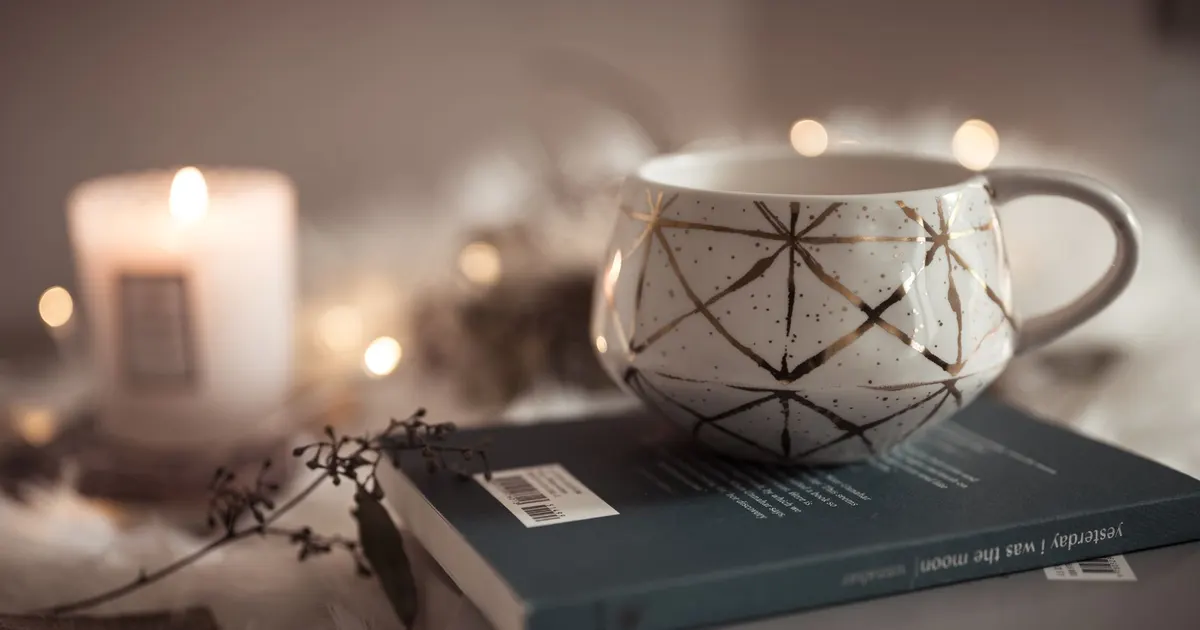
Australian winter is a strange beast. In Perth it's wet, mild and sneaky-cold at 7pm. In Canberra the frost sits on the lawn until mid-morning. Melbourne will hand you four seasons before lunch. Whatever your version looks like, a reading nook isn't about having a spare room — it's about claiming one chair, one lamp and one good blanket, and making that spot the warmest, easiest place in the house to sit down.
Start with the corner, not the furniture
Most people buy the chair first and then discover the spot is draughty, dark, or right next to the heater. Work the other way around.
Follow the winter sun
In the southern hemisphere, winter sun comes from the north. A north or north-east facing window will give you the best natural light from roughly mid-morning to early afternoon. Spend a Saturday tracking where the sun actually lands in June or July — it's lower and further into the room than you'd expect — and put the chair there.
Sit in the spot at 8pm before you commit
Daytime light is only half the story. Sit in your candidate corner after dark with the lights you already own and see how it feels. Check for cold air at ankle height: window frames, floorboards, the gap under the door. A nook that's lovely at 2pm and freezing at 8pm won't get used.
Keep a metre or two back from the heater
Sitting right beside a heater dries out your eyes, throat and skin, and it's easy to nod off with your book on your chest. A bit of distance, plus a throw, is far more comfortable than being blasted.
Lighting that makes a book readable at 7pm
Layer it, don't flood it
You want three things: a soft background glow, a task light for the page, and the option to turn the big overhead off. Overhead downlights alone are the enemy of a good nook — they flatten the room and put glare on the paper.
Get the task lamp position right
Light should come over your shoulder, not from behind the page and not straight into your eyes. If you're right-handed, the lamp goes to your right and slightly behind you. Test it by holding a book where you'd normally hold it and checking for shadow across the page.
Warm white globes feel far more like a nook than cool white ones, which read as office or hospital. A dimmable lamp, or a simple plug timer, saves you getting up to fiddle with switches mid-chapter.
Candles and fairy lights are atmosphere, not lighting
They're lovely as background, but you can't read by them. Keep them well away from a throw or a curtain, and never leave them burning when you leave the room.
Seating that actually holds up
The armchair test
A good reading chair is deep enough to tuck your legs up, has arms that support your elbows at roughly the height of a table, and a back that meets your mid-back rather than your shoulders. Sit in it for twenty minutes before you commit — in the shop, or in the op shop if that's where you're hunting. Secondhand armchairs are often excellent value, but check the frame for wobble and give the cushions a proper sniff for damp.
Using the end of a couch
If a whole chair isn't happening, the end of the couch works fine with two additions: a firm cushion behind your lower back, and something to put your feet on. Feet up changes the whole experience — a footstool, an ottoman, or even a sturdy storage box with a cushion on top.
Window seats and benches
A bare timber bench is comfortable for about twenty minutes. Cut a piece of firm foam to size, cover it, and you've got a nook. Add a wedge cushion at the back so you're not sitting bolt upright against glass.
Throws, cushions and how they behave in an Aussie winter
Match the fibre to your climate
- Wool is the warmest for its weight and breathes well, which matters if your winters are damp rather than freezing. It doesn't need frequent washing — airing it in the sun does most of the work.
- Cotton is a good layering piece and easy to wash, but not warm on its own.
- Fleece and acrylic are warm, light and forgiving, though they go static and hold onto smells. Good for a throw you'll wash often.
- Brushed cotton or flannelette is brilliant in humid coastal homes where heavy wool feels like too much.
Watch the damp
In coastal and southern homes, throws and cushions left crumpled against a cold wall are a mould risk. Air them in the sun on dry days, keep them off the floor, and use a moisture absorber or a dehumidifier in the room if condensation appears on the windows. Always dry a throw completely before folding it away for the season.
Staying warm without cranking the heater
Stop the cold getting in first
A draught stopper at the door — a rolled towel does the job — heavy curtains closed before dusk, and a rug over bare timber or tile all make a measurable difference. Cold floors pull heat straight out of your feet, and cold feet end reading sessions early.
Heat the person, not the room
This is the trick that makes a nook affordable to run. A heated throw over your lap, a hot water bottle, wool socks and proper slippers will keep you comfortable while the rest of the house stays at a sensible temperature. If you use a heated throw, follow the care instructions, never leave it on unattended, and don't pile cushions on top of it.
Think about humidity
Heaters dry the air, which can leave you with a scratchy throat and dry eyes by chapter three. A bowl of water near the heat source helps. In humid climates it's the opposite problem — you want to dry the air out, not add to it.
The small things that turn a corner into a nook
- A side table big enough for a mug, a small plate and your phone. A tray balanced on a stool works if space is tight.
- Somewhere to put the book down within arm's reach — a small stack, a basket, a low shelf.
- A mug with a lid, so your tea is still warm at the end of a chapter.
- A basket or blanket box for the throw, so the nook doesn't quietly become a laundry pile.
- Headphones if you share the house and want to disappear without a fight.
Small spaces, rentals and shared houses
You don't need a spare room. A corner of a bedroom with a lamp and a floor cushion works. So does the space under the stairs, the end of a hallway, or an enclosed verandah — though check for damp and bring cushions inside overnight. If you rent, avoid drilling: freestanding lamps, tension rods and removable hooks will get you most of the way.
If you share the house, agree on a signal that means "reading, not chatting". Headphones on and lamp on is a pretty universal one.
Keeping it usable all winter
A nook only stays inviting if it gets a reset. Once a week, fold the throw, clear the mugs, wipe the table and put the books back in the basket. Rotate your book stack so it doesn't turn into furniture. And on dry, sunny winter days, open the window for ten or fifteen minutes mid-morning to swap the stale air out — it makes the room feel warmer, not colder.
This one's for anyone in a sharehouse, a rental, a small unit or a big cold house who wants a corner that's genuinely theirs for the next few months — no renovation, no big spend, just a chair, a lamp and a blanket that earns its place.