How to Pay Safely on Online Marketplaces: A Practical Guide
Marketplace scams usually start at the payment step, not the listing. Here's how to pick a payment method that gives you a way back if things go wrong.

6 min read
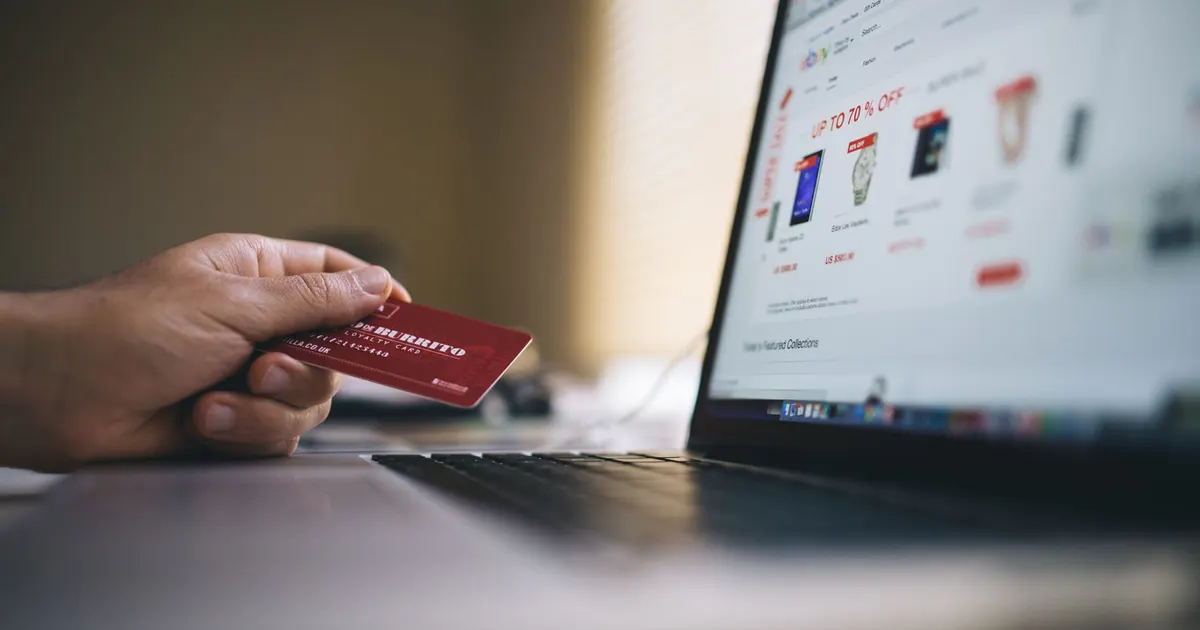
Photo: Negative Space / Pexels
Why the payment step is where the risk actually sits
You can do everything right — read the listing twice, check the seller's feedback, ask sensible questions — and still lose money at the last click. Payment is the part of a marketplace purchase that's hardest to undo.
So the rule is simple. The more protection your payment method gives you, the less you have to trust the stranger on the other end. Get that bit right and most marketplace problems stay annoying rather than expensive.
Rank your payment options by how much they protect you
Not all payment methods are equal, and the difference only shows up when something goes wrong. Here's the order I'd put them in.
Paying through the marketplace's own checkout
This is the one to aim for. The platform takes the money, holds it, and releases it once you confirm the item arrived as described. You get a record of the transaction, a dispute process you can actually use, and someone to complain to who isn't the seller.
If a marketplace offers its own checkout, use it even when the seller suggests something else. Especially then.
Credit cards
Credit cards generally give you the strongest dispute rights of any consumer payment method. In the UK and Ireland, card purchases also carry extra legal protection that debit cards don't. In the US, credit cards tend to have the most generous chargeback rules.
The catch: you're borrowing money, so only use a card you clear in full. Protection is worthless if you're paying interest on it.
Debit cards
Better than nothing, weaker than credit. Your bank can sometimes reverse a fraudulent charge, but it's more of an argument than a right, and it depends on how quickly you report it.
Still, paying by debit card through a legitimate checkout beats a bank transfer every single time.
Payment services and digital wallets
Services that sit between you and the seller — the ones where you log in, approve a payment, and the money doesn't go straight into a stranger's account — add a useful layer. They keep your card details away from the seller entirely, which matters if the marketplace turns out to be careless with data.
Read how each one handles disputes before you rely on it. Some are excellent. Some are just a bank transfer with a nicer interface.
Bank transfers
Treat a bank transfer as handing over cash to someone you've never met. Once it's gone, it's gone. Banks have got better at helping victims of transfer fraud, but the process is slow, not always successful, and never something to count on.
If a seller insists on a bank transfer and won't accept anything else, that's your answer. Walk away.
Cash, in person
Fine for local, face-to-face deals — with rules. Meet in a public place, ideally during the day. Bring someone with you. Inspect the item properly before any money changes hands. Never pay a deposit in cash for something you haven't seen.
How to tell a checkout is legitimate
A few things should always be true.
- The payment page is on the marketplace's own site, not a page the seller sent you to.
- The seller never asks you to move the conversation somewhere else to "sort out payment".
- Your receipt comes from the platform, not from a personal email address.
- The listing, the messages, and the payment all sit inside the same account.
- The platform has a visible process for disputes, and you can find it without hunting.
If any of those are missing, slow down. A genuine seller won't mind.
Red flags worth taking seriously
Pressure and urgency
"Someone else is coming to look at it this evening." "I need this gone today." Urgency is the oldest tool in the book because it works. A real seller will still be there tomorrow.
Payment methods that can't be traced
Requests for bank transfers, gift cards, or cryptocurrency are the classic three. Gift cards especially — no legitimate marketplace transaction has ever needed one.
Being asked to go off-platform
The moment a seller wants to move to private messages, a personal email address, or a phone number, you lose the platform's protection. That's usually the point.
Overpayment and refund tricks
A buyer "accidentally" sends too much and asks you to send the difference back. The original payment later turns out to be fake or reversed. Never refund a difference you can't see sitting in your own account.
Fake payment confirmations
Emails that look like they're from the marketplace, telling you the money is pending or being held. Don't click anything in them. Log into your account directly and check for yourself.
Listings that don't add up
Stock photos, a seller with a brand-new account, a vague description, and a price that seems far too reasonable. Any one of those on its own is survivable. Together, they're a pattern.
Habits that make you a harder target
- Use a dedicated email address for marketplace accounts.
- Turn on two-factor authentication everywhere it's offered.
- Never share a one-time code with anyone, including someone claiming to be from the platform.
- Keep the conversation on the platform, even when it's slower.
- Screenshot the listing and the messages before you pay.
- Read the platform's buyer protection rules before you buy, not after something breaks.
- Check the seller's history for patterns, not just the overall rating.
None of this is paranoid. It's the same care you'd take buying anything else from a stranger.
If a payment goes wrong
Move quickly, and go in the right order.
- Contact the marketplace first. Many dispute processes require you to raise it with them before your bank will act.
- Contact your card issuer or bank. Tell them it was a fraudulent or undelivered purchase, and give them the dates, the amounts, and any messages.
- Report it to your national fraud reporting service, and tell the platform's trust and safety team as well. Reports that go nowhere individually often build a picture that gets an account shut down.
- Change your passwords if you shared any account details, and check your statements for anything else unusual.
Speed matters more than perfect wording. A report made the same week is worth far more than a careful one made two months later.
The short version
Pay through the marketplace's own checkout whenever it exists. Use a credit card if you can, a debit card if you can't, and a payment service that keeps your card details private. Treat bank transfers, gift cards, and crypto as money you've already given away.
Then apply the oldest rule in online shopping: if the deal depends on you moving fast, or moving somewhere the platform can't see, it isn't a deal. It's a script.