How to Shop for Denim Online in the UK: Getting the Fit Right
Buying jeans online in the UK usually comes down to fit, not style. This guide covers measuring yourself, reading fabric labels, decoding rise and leg shapes, and checking returns before you pay.

5 min read
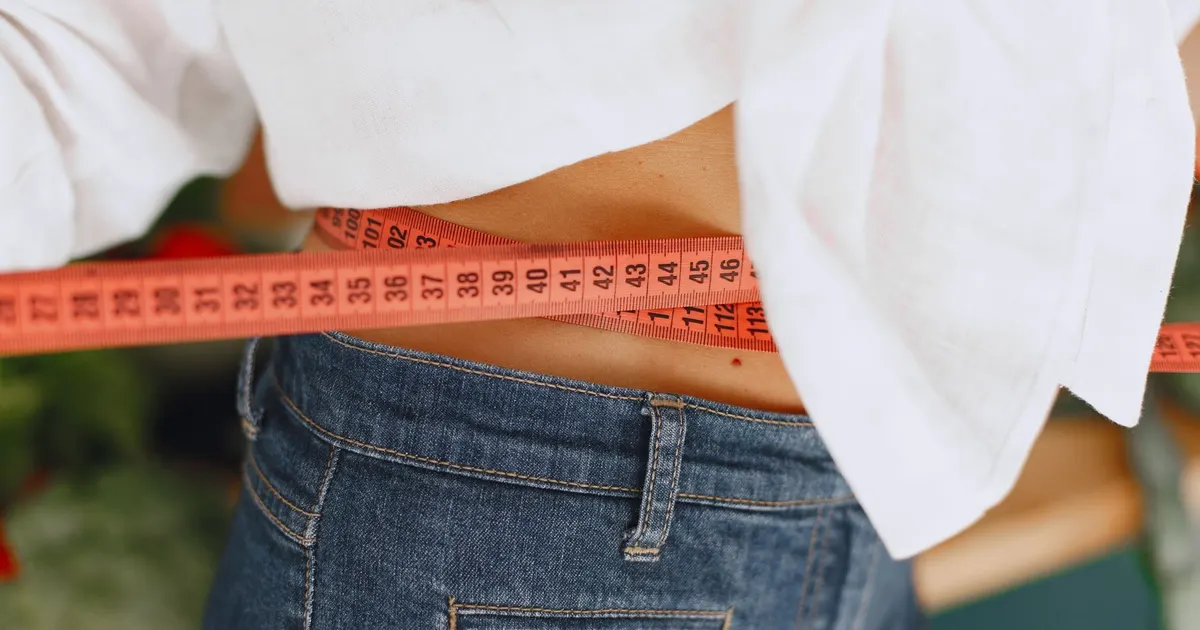
Photo: Gustavo Fring / Pexels
Why Denim Is Tricky to Buy Online
Denim looks straightforward in a listing photo, but it has to fit in several places at once: waist, hips, rise, thigh and leg length. Different shops cut their jeans differently, and a pair that fits in one label can sit completely differently in another. The upside is that a bit of preparation before you click buy makes a first-time fit far more likely.
Start With Your Own Measurements
Ignore the size you usually reach for. Sizes vary so much between British retailers that your measurements are the only reliable starting point.
How to Measure at Home
You need a soft tape measure, a mirror and a pair of trousers that already fit you well. Wear something close-fitting or nothing at all.
- Waist: the narrowest part of your torso, usually just above the belly button.
- Hips: the fullest part of your hips and bottom.
- Inseam: from the crotch seam of your best-fitting trousers down to the hem.
- Rise: from the crotch seam to the top of the waistband on that same pair.
Write these down and keep them in a note on your phone. You will use them every time you shop.
Using a Size Chart Properly
Every decent webstore should publish a size chart, but they are not all built the same. Compare your measurements with the chart rather than with your usual size. Check whether the figures refer to body measurements or to the garment laid flat — if it is the latter, double them to get the full circumference. If you fall between two sizes, the fabric decides which way to go.
Read the Fabric Composition
The label tells you more about fit than the photograph does.
Rigid Versus Stretch
Rigid denim is pure cotton. It has no give, so it feels firm at first and then moulds to you over a few wears. Stretch denim contains a small amount of elastane, so it moves with you and feels easier straight away, though it can lose shape at the knees and seat by the end of a long day. Think about how you want them to feel after an afternoon at work, not in the changing room.
Weight and Weave
Denim weight is usually described as light, mid or heavy. Lightweight denim is softer and better for warm weather; heavier denim holds its shape and lasts longer but takes time to break in. A tighter weave feels crisper, a looser weave softer. If you cycle to work or spend a lot of time on busy trains, a mid-weight pair with a little stretch is often the practical choice.
Decode the Fit Jargon
Listings are full of terms that mean different things to different shops.
Rise
- High-rise: sits at or above the belly button, good for a defined waist.
- Mid-rise: sits just below the belly button and suits most people.
- Low-rise: sits on the hips; less forgiving if you have curves.
Leg Shape
- Skinny: close from hip to ankle.
- Straight: an even width all the way down.
- Bootcut: fitted through the thigh, easing out at the hem.
- Wide: loose from hip to hem.
Waist-to-Hip Difference
Some brands cut for a straighter figure, others for curves. Look for wording such as curvy fit or athletic fit. If there is a big difference between your waist and hips, you may need to buy for your hips and have the waist taken in by a local tailor — often cheaper and less hassle than sending three pairs back.
Use Reviews and Customer Photos Wisely
Reviews are useful, but only if you read them with a sceptical eye.
Look at Photos From Real Buyers
Customer photos show how the denim sits on real bodies. Find reviewers with proportions similar to yours and look at the waistband, the thigh and the hem. Is the fabric pulling across the hips? Is there a gap at the back of the waist?
Interpreting the Language
If several reviewers say a pair runs small, believe them. Comments about shrinkage after washing, bagging at the knee or colour fading are worth more than a vague note saying they are lovely. Bear in mind that a review claiming the fit is true to size only helps if the reviewer is a similar shape to you.
Check the Returns Position Before You Pay
Even with careful preparation, denim can still surprise you. Before you order, find out:
- Whether unworn items can be returned, and within what window.
- Whether tags need to stay attached.
- Who covers the cost of return postage.
- Whether you can return in store if the shop has branches near you.
A straightforward returns process removes most of the risk from buying online. If the policy is buried or unclear, that is usually a sign to look elsewhere.
UK Angles Worth Knowing
Sizing Is Not Standardised
British sizing drifts between retailers, and some shops list US or European equivalents instead. Always use the specific chart on the page you are buying from, and never assume your usual number will translate.
Dressing for British Weather
Our weather rarely behaves. For summer, lighter denim in a relaxed cut is far more comfortable on a muggy day. For winter, heavier denim or a lined pair works well, especially if you are standing on a platform waiting for a delayed train. Darker washes dress up more easily for work; lighter washes feel more casual. A mid-wash straight leg is the dependable all-rounder.
Hemming and Alterations
Most of us are not a standard inside leg. Many high street chains offer a hemming service, and a local alterations shop can shorten a pair for a modest cost. If you are notably short or tall, factoring that in is more sensible than hunting endlessly for a perfect off-the-peg length.
Build a Small, Useful Denim Wardrobe
You do not need a drawer full of jeans. Three good pairs cover almost everything:
- A dark, straight-leg pair for work and evenings.
- A mid-wash pair with a little stretch for everyday wear.
- A lighter, relaxed pair for weekends and holidays.
Prioritise fit and fabric over whatever is trending this season.
Final Checklist Before You Click Buy
- Measured your waist, hips, inseam and rise.
- Compared those measurements with the shop's own chart.
- Checked the fabric composition and how much stretch it has.
- Read reviews and studied customer photos.
- Confirmed the returns and exchange arrangements.
- Considered the season and how you will actually wear them.
Do this once and you will have a set of numbers and preferences that make every future denim purchase quicker. The aim is not a perfect record — it is cutting down the number of parcels going back.