Meal Kit Subscriptions in the UK: How to Choose One That Fits Your Week
Meal kits promise to solve the 6pm question. Whether one earns its place in your kitchen comes down to portions, packaging and whether the delivery day suits the week you actually have.

6 min read
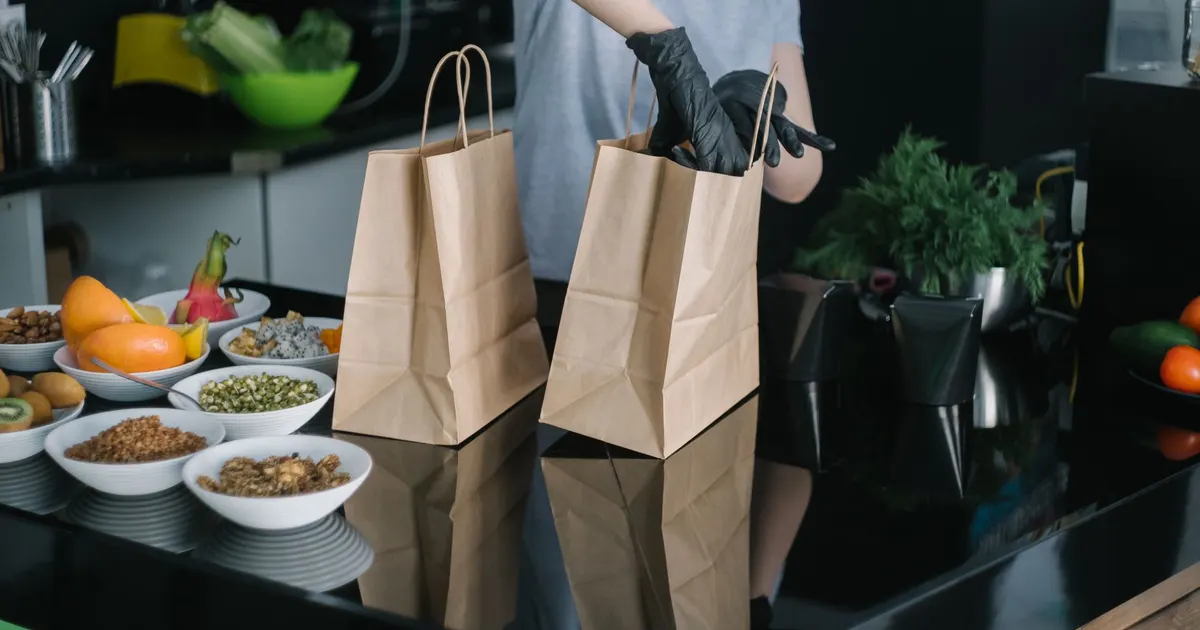
Photo: Mikhail Nilov / Pexels
A meal kit subscription sounds like the answer to the 6pm question: what are we actually having for dinner? In practice, whether it works comes down to three unglamorous things — portions, packaging, and how well the delivery day fits the week you actually have rather than the week you'd like to have.
I've watched friends sign up in January, love it for a fortnight, then spend the rest of the year dodging deliveries. Here's how to work out whether a meal kit will earn its place in your kitchen.
What a meal kit actually replaces
Be honest about this bit, because it's where most of the disappointment starts. A meal kit replaces the midweek meal-planning slog and the takeaway you order because nobody could face deciding. It does not replace your whole food shop. You'll still need breakfast, lunches, snacks, milk, bread and the odds and ends that make a kitchen function.
That's fine — it just means the sums only work if you were genuinely spending on the thing it replaces. If you already batch-cook on a Sunday and enjoy it, a meal kit is a hobby, not a solution.
Portions: how many people are you actually feeding?
Two-person boxes in a two-person household
Sounds obvious. It isn't. Two-person boxes assume two adults with average appetites and no teenagers hovering. If someone in your house eats like a Labrador, or you like leftovers for lunch the next day, think hard about whether two portions is genuinely two dinners.
A useful trick: order one box, cook it as normal, and see what's left in the pan at the end. If you're reaching for the toast afterwards, the portions are wrong for you. That's not a failure on your part.
Households with children
Most kits are built around adult tastes. Some recipes land with kids; plenty don't. If you're cooking one meal for everyone, look for kits that lean on familiar, plain-ish food rather than anything with a garnish you'll be picking off. Otherwise you're cooking a kit meal and a backup meal, which is more work than you started with.
Does the delivery day fit your actual week?
Think about the day your box lands and what your week looks like after that. A box arriving midweek is great if you cook at home from Thursday onwards. It's a fridge full of guilt if you're out Thursday and Friday and away at the weekend.
Two things worth checking before you sign up: which days are available in your area, and how the company handles skipped weeks. Most let you skip or pause, but the cut-off usually falls several days before the delivery. Miss it and the box arrives anyway. Put a recurring reminder in your phone for the day before the cut-off. It takes ten seconds and saves a lot of annoyance.
Seasonal pinch points to plan around: half terms, the summer holiday, Christmas, and any weekend you're at a wedding. Also the week you get back from holiday, when the fridge is empty and you'd rather have a takeaway.
Packaging: what actually comes through the door
This is the part that decides whether a meal kit feels like a convenience or a chore. Chilled boxes arrive with insulation, ice packs and a fair amount of cardboard. None of it is unreasonable, but it does need somewhere to go.
A few practical points:
- Check whether the insulation is paper-based or plastic film. Paper-based goes in with your cardboard; plastic film depends on your council's soft plastics collection, which varies enormously across the UK. Look it up before you're knee-deep in it.
- Ice packs are reusable if you've got the freezer space. If you haven't — and in a small flat you probably haven't — ask whether they can be collected, or accept that they'll go in the general waste.
- Flatten and store cardboard as you go. A week's worth of boxes stacked in a hallway is a trip hazard, and it never looks better on day three.
- Recipe cards are handy the first time and clutter after that. Clip the ones you'll cook again and recycle the rest. Or photograph them and bin the lot.
The food: recipe cards, spice sachets and fussy eaters
Prep time and oven time
Read the recipe card before you commit to cooking. Some kits are genuinely twenty minutes of chopping; others quietly assume you'll be at the hob for an hour. If you're cooking after a commute, that difference matters more than the menu does.
Also check how many pans a recipe uses. A meal that needs three pans and a blender is a weekend meal, not a Tuesday one.
Dietary needs
If you're vegetarian, gluten-free or dairy-free, look carefully at how the kit handles it. There's a difference between a recipe designed to be meat-free and one with the meat taken out. The first tastes like a meal; the second tastes like a gap. Check whether the allergen information is on the recipe card as well as the website, because the card is what you'll actually be reading while you cook.
Freezer-friendly or not
Some meals reheat beautifully. Salads, noodle dishes and anything with fresh herbs do not. If you're ordering for two and cooking for one on some nights, favour the stews, curries and traybakes that survive a night in the fridge.
Kitchen space, honestly assessed
A meal kit for two people needs roughly a shelf in the fridge and a bit of worktop. That's fine in most kitchens. It's less fine if your fridge is already full of condiments and half-used veg.
Before you start, do a clear-out. Empty the veg drawer, bin anything that's turned, and work out where the box contents will actually live. If the answer is "on the floor", the kit isn't the problem — the fridge is.
Comparing the cost sensibly
Ignore the headline rate you see advertised. What matters is what you'd pay per head for a comparable meal you'd actually have cooked, and what happens once any introductory period ends. Ask yourself:
- Would I have cooked this, or ordered a takeaway?
- Am I still doing a full shop on top?
- How many portions a week will I realistically cook?
- What's the cost of the food I bin because I skipped a week?
Run that for a month. If it comes out cheaper than your old habits, keep it. If it doesn't, you've bought a subscription to guilt.
The three-week test
Don't sign up for the long haul. Do this instead:
- Order one box and cook everything in it.
- Note what you ate, what you binned and what you'd cook again.
- Skip a week deliberately and see how the process feels. If skipping is a faff, cancelling will be worse.
- Only then decide whether to carry on.
If you do cancel, do it from the account page rather than by email, check that the next delivery isn't already locked in, and keep a screenshot of the confirmation. That last step has saved more people more grief than any recipe.
Verdict
A meal kit is worth it if you're short on time, short on ideas, and genuinely spending on takeaways you don't enjoy. It's a poor fit if you love cooking, hate packaging, or already have a freezer full of batch-cooked chilli.
Try one week, keep the recipe cards you'll use, and treat pausing as a normal part of using the thing rather than a failure. That's usually the difference between a subscription that helps and one you quietly resent.