Returns and Refunds at Online Marketplaces: A UK, Ireland and US Guide
Returning something bought online shouldn't feel like a gamble. Here's how the rules differ across the UK, Ireland and the US, and the steps that get your money back fastest.

5 min read
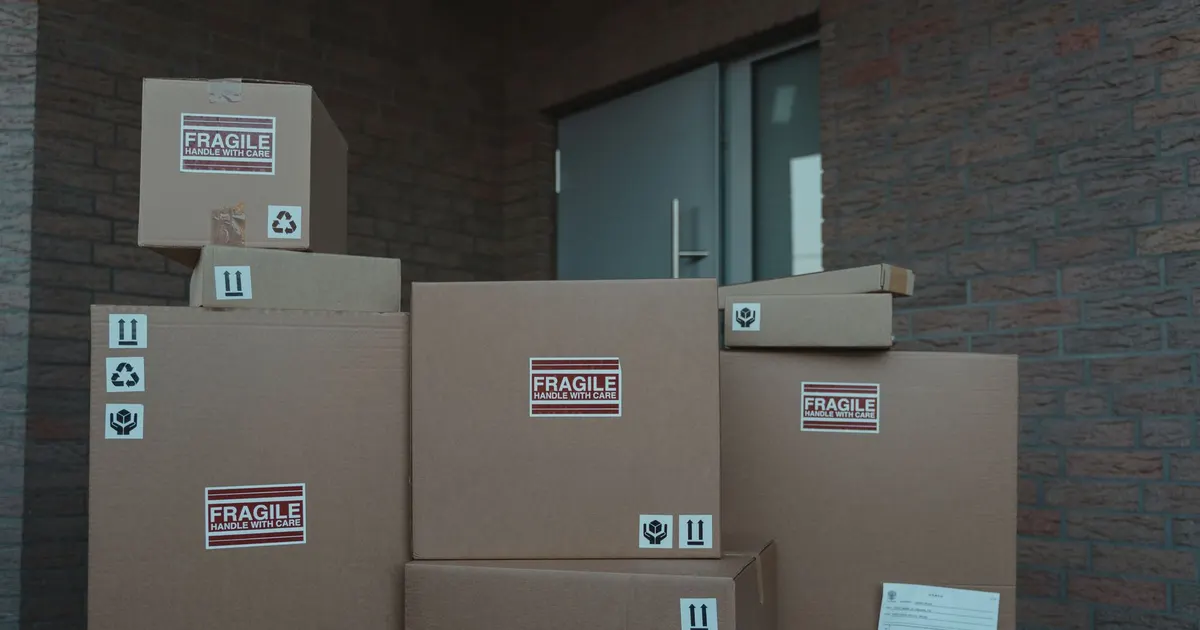
Photo: Tima Miroshnichenko / Pexels
Read the returns page before the parcel arrives
Most marketplace frustration starts at checkout, not at the post office. The product page tells you what you're buying; the returns page tells you what happens if you change your mind. They are rarely written by the same person.
Before you pay, find answers to four questions: who pays return postage, how long you have to send something back, which items are excluded, and what condition the item must be in. If any of those are missing, treat it as a warning sign rather than a small print detail you'll deal with later.
What "returns accepted" actually means
It means the seller accepts returns under their own terms. It does not mean you have an automatic right to send anything back for any reason. A generous-looking policy can still exclude the exact thing you bought — swimwear, earrings, opened cosmetics, personalised items, perishables, and anything cut to size are common exclusions.
Keep the paperwork
Save the order confirmation, screenshot the listing as it looked when you bought it, and photograph anything fragile or expensive before you open it properly. If a dispute starts three weeks later, that photo is worth more than a paragraph of explanation.
Your rights depend on where you're shopping
This is the part most guides gloss over. The rules are not the same in Leeds, Dublin and Ohio.
United Kingdom
For most online purchases, the Consumer Contracts Regulations give you a short cancellation window after the goods arrive, and you don't need to give a reason. The seller must refund you within a set period once you cancel or return the item. Return postage is normally your cost unless the seller agrees otherwise or the goods are faulty.
For faulty goods, the Consumer Rights Act is your tool. You have an initial right to reject and get your money back, then a right to repair or replacement, and finally a price reduction if neither works. Digital content and services are covered too.
Ireland
The Consumer Rights Act 2022, alongside EU distance-selling rules, gives Irish shoppers a similar withdrawal window for online orders and a clear set of remedies for faulty goods. The Competition and Consumer Protection Commission is the body to contact when a seller won't engage.
United States
There is no general federal cooling-off rule for ordinary online purchases, so the seller's own policy does most of the work. What federal rules do cover is the promise itself: if an item doesn't ship as described, or arrives damaged or wrong, the seller is expected to make it right or refund you.
State laws vary, and some give you more than others. On top of that, card network rules and the Fair Credit Billing Act give you a dispute route through your bank when a seller ignores you.
Change of mind vs faulty: two different paths
These get muddled constantly, and mixing them up weakens your case.
- Change of mind. You usually pay return postage, the item must be unused and in its original packaging, and the seller can refuse if the condition is poor.
- Faulty, damaged or not as described. The seller covers the cost of putting it right, including return postage. You're entitled to a remedy, not just a credit note.
If something arrives broken, say so plainly in your first message. Don't soften it into "I'd like to return this" — that phrasing invites the change-of-mind policy to be applied to you.
How to start a return that actually gets refunded
- Open the return through the marketplace's order page. This creates a timestamped record. A message to a seller's private inbox does not.
- Pick the accurate reason code. Choosing "changed my mind" when the item was faulty can cost you the return postage and your leverage.
- Photograph the item and the packaging before it goes back, including any damage or missing parts.
- Use a tracked service. Untracked returns are the single most common reason refunds stall.
- Keep the receipt and tracking number somewhere you'll find it in a month.
- Note the refund deadline and diarise a follow-up for a few days after it passes.
- Put everything in writing. A short, dated, factual message beats a long emotional one every time.
Marketplace or seller: who do you chase?
Usually the contract is with the seller, not the platform. But most large marketplaces run their own buyer protection schemes, and those often resolve disputes faster than the seller will.
Start with the seller, then escalate to the marketplace's resolution centre if you get silence or a refusal that contradicts the listing. In the UK and Ireland, if the platform itself acted as the seller, it carries the same obligations as any other retailer. In the US, marketplace facilitator laws mostly concern tax collection, not returns, so the seller's policy remains the deciding factor.
Traps worth knowing about
- Restocking fees. Legal in many US states and sometimes applied in the UK and Ireland where the policy allows. Check before you buy, not after.
- Final sale labels. Often buried in the listing rather than the returns page.
- Bundles and free gifts. Returning one part of a bundle can change what you're owed for the rest.
- Windows counted from dispatch. Some policies start the clock earlier than you'd expect.
- Cross-border returns. Sending something back to another country means customs paperwork, and a parcel can be refused at the border.
When the refund stalls: the escalation ladder
- Written complaint to the seller, with order number, dates and what you want.
- Marketplace resolution centre, attaching your evidence.
- Your payment provider. Ask for a chargeback. In the UK, credit card purchases may also fall under Section 75 protection, which makes the card issuer jointly liable.
- A consumer body. Citizens Advice or Trading Standards in the UK, the CCPC in Ireland, the FTC or your state attorney general in the US.
- Small claims court. Usually the last step, and often the one that finally produces a reply.
A quick checklist before you buy
- Does the seller have a returns page, or just a vague line in the listing?
- Is the item excluded from returns?
- Who pays postage if it's faulty?
- Is the seller based in your country or shipping from abroad?
- Have you paid with a method that offers dispute rights?
The bottom line
Returns go smoothly when you treat them as part of the purchase rather than an afterthought. Check the policy first, keep your evidence, use tracked postage, and escalate in writing if things go quiet. Most sellers settle long before the ladder runs out — and the ones who don't are usually the ones you're better off avoiding next time.