Dark Afternoons: Everyday Tech That Makes a British Winter Easier
Short days and damp air are the two things that make a British winter feel long. Here's the everyday tech that genuinely helps, and the bits worth skipping.

6 min read
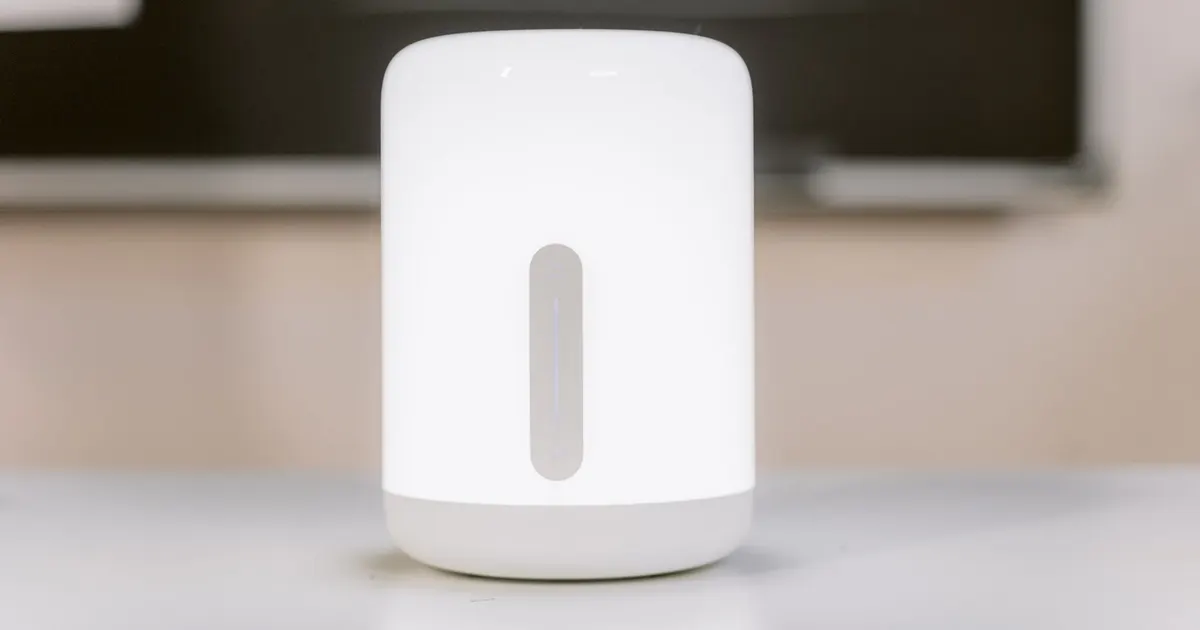
Photo: Tima Miroshnichenko / Pexels
By late October the clocks have gone back, and most of us are leaving the house in the half-light and coming home in it. Winter in the UK isn't dramatic — it's long. The good news is that you don't need a smart-home overhaul to make those months feel better. A few well-chosen bits of everyday tech, set up properly, do most of the work.
Why Winter Tech Is Really About Light and Warmth
Strip away the marketing and there are only two jobs winter gadgets do well: they put more light into your day, and they warm the space around you rather than the whole house.
Everything else — speakers, e-readers, timers, dehumidifiers — is really about comfort and routine. That's a useful filter when you're browsing, because it stops you buying something that looks clever in a listing and ends up in a drawer by January.
Start With Light: The Biggest Single Win
Light is where winter discomfort usually starts. Short days push your body clock out of step, and a dim flat at three in the afternoon makes everything feel later than it is.
What to look for in a daylight lamp
- Brightness: daylight lamps are rated in lux. The useful ones sit at the higher end of the range, and the listing should state the distance at which that figure is measured — a big number at arm's length is meaningless.
- Colour temperature: cool white light is what you want for alertness in the morning.
- UV-free: check the description confirms the light filters out ultraviolet.
- Size and placement: a wide panel lights more of your field of view than a small puck, but a small one you'll actually use beats a big one you won't.
Where and when to use it
Put it beside your laptop or on the breakfast table, angled towards your face rather than above your head, and use it for a stretch in the morning while you're having tea or working through emails. Twenty to thirty minutes is a common starting point. Using it alongside your normal lamp is fine — the point is to add light to the early part of the day, not to replace your lighting.
Pair it with a lunchtime walk. Daylight outdoors, even under cloud, is far brighter than anything indoors, and a short walk at midday does more for a winter mood than most gadgets.
Warmth Without Heating the Whole House
Heating an entire flat so that one person can sit in one chair is the classic winter waste.
Heated throws and blankets
An electric throw over your knees is the simplest version of this. Look for:
- A timer that switches itself off, and an auto-off function
- A washable cover, or a design where the controller detaches
- Several heat settings rather than just on and off
- A cable long enough to reach your sofa without an extension lead
Check the plug is a UK three-pin and that the cable isn't a trailing hazard across a doorway. If you have pets or small children, treat it like any other electrical item and unplug it when it isn't in use.
Smart plugs, timers and a warmer routine
A basic plug-in timer or smart plug is one of the least glamorous buys in this article and one of the most useful. Set a lamp to come on half an hour before your alarm, put the heated towel rail on a schedule, and switch off the standby draw on the television and console stack overnight.
The other trick is zoning. Warm the room you're in, close doors behind you, and keep the rest of the house cool. A small fan heater in a bathroom for ten minutes before a shower is often enough, and it uses far less energy than heating the whole floor.
Smart Bulbs: Small Change, Big Difference
If you only do one thing to your lighting this winter, swap the bulbs in the rooms you use most.
Warm white bulbs in the evening, cooler white in the morning, and dimming rather than switching between full brightness and off — that combination makes a living room feel considerably more comfortable in December. Look for bulbs that remember their last setting after a power cut, and check the fitting (bayonet or screw) before you order. If you're renting, stick to bulbs and plug-in lamps and leave the ceiling fittings alone.
Damp Air, Foggy Windows and the Dehumidifier Question
British winters are damp as well as dark. Condensation on single-glazed windows and a chill that seems to come from the walls are both signs that the air in your home is carrying more moisture than it should.
A small compressor dehumidifier in a bedroom or hallway can make a real difference, particularly in older terraces and flats where drying laundry indoors is the only option. Look for a unit with a humidistat, so it switches itself off once the air reaches the level you've set, and a tank you can empty without spilling it. If noise matters — and it does in a bedroom — check the decibel figure in the listing rather than the marketing blurb.
While you're there, a cheap hygrometer takes the guesswork out of it. If humidity is sitting high all winter, that's worth knowing before you spend money on anything else.
Dark Evenings, Better Evenings: Sound, Books and Screens
Once light and warmth are sorted, the rest is about how you spend the long evenings.
- A decent Bluetooth speaker makes a kitchen feel like a room you want to be in, and many double as a radio for background company.
- An e-reader with a warm, dimmable front light is easier on the eyes than a phone at bedtime, and lighter to hold than a hardback.
- A pair of wireless headphones is worth having if you share a flat and want to watch something at night without negotiating volume.
- A power bank and a set of rechargeable batteries keep torches, bike lights and fairy lights running through the winter without a drawer full of dead cells.
One practical note: keep cables and chargers in one box with a lid. Winter is when the tangle under the sofa becomes a genuine hazard.
What to Skip
Not everything sold as a winter essential earns its place.
- Gadgets that need an app for a simple task. If a plug, lamp or heater needs an account and a firmware update before it will switch on, it will annoy you by February.
- Novelty lighting. Coloured or sunrise lamps are pleasant, but they don't replace a proper daylight lamp if light is what you're short of.
- Anything that only works with one ecosystem. If it can't be controlled manually as well as by voice or phone, think twice.
- Big space heaters for occasional use. They're fine for short bursts in one room, but they're not a substitute for a working heating schedule.
A Simple Winter Reset
If you'd rather do this in one afternoon than over a month, work through this list:
- Put a daylight lamp where you have breakfast or start work.
- Move one warm light source to the corner you actually sit in.
- Set a timer so a lamp is on when you get home.
- Swap the bulbs in your two most-used rooms for warm, dimmable ones.
- Add an electric throw and a smart plug to your main seat.
- Check one room for condensation and deal with the source, not just the water.
- Gather chargers, batteries and torches into one box.
None of it is dramatic, and none of it needs to be expensive. It just needs to be done before the dark afternoons arrive, rather than in the middle of them.