How to Build a Self-Care Routine That Wellness Subscriptions Actually Support
Wellness boxes are easy to buy and hard to stick with. Here's how to choose one that fits the routine you actually have, and how to make it last.

5 min read
Start With the Routine, Not the Box
Most people do this the wrong way round. They spot a beautifully styled box of teas, bath salts and a lined journal, sign up, and then try to build a habit around whatever lands on the doorstep. It works for a fortnight and then the box joins the pile by the front door.
The reliable approach is to name the gap first. What part of your week is actually falling apart? If you never drink enough water, a box of herbal blends might help. If you lie awake scrolling, a wind-down ritual is the real need, and the subscription is just the delivery method. Write down two or three things you want more of — quiet, movement, sleep, decent skincare, less screen time — and treat those as the brief.
What Wellness Subscriptions Actually Cover
The category is broad, and the label on the box tells you less than the contents list does. Most fall into a handful of types.
Supplements and daily basics
Vitamin and mineral subscriptions work best for people who already take something daily and keep forgetting to reorder. They suit a fixed habit. They're a poor fit if you're still experimenting, because you'll end up with a shelf of half-used bottles.
Tea, coffee and functional drinks
This is the most forgiving category. Loose-leaf tea, specialty coffee, matcha, cocoa, and no-alcohol or low-sugar drinks all lend themselves to a monthly rhythm. The ritual is built in — boiling the kettle, steeping, sitting down — which is why these boxes tend to stick.
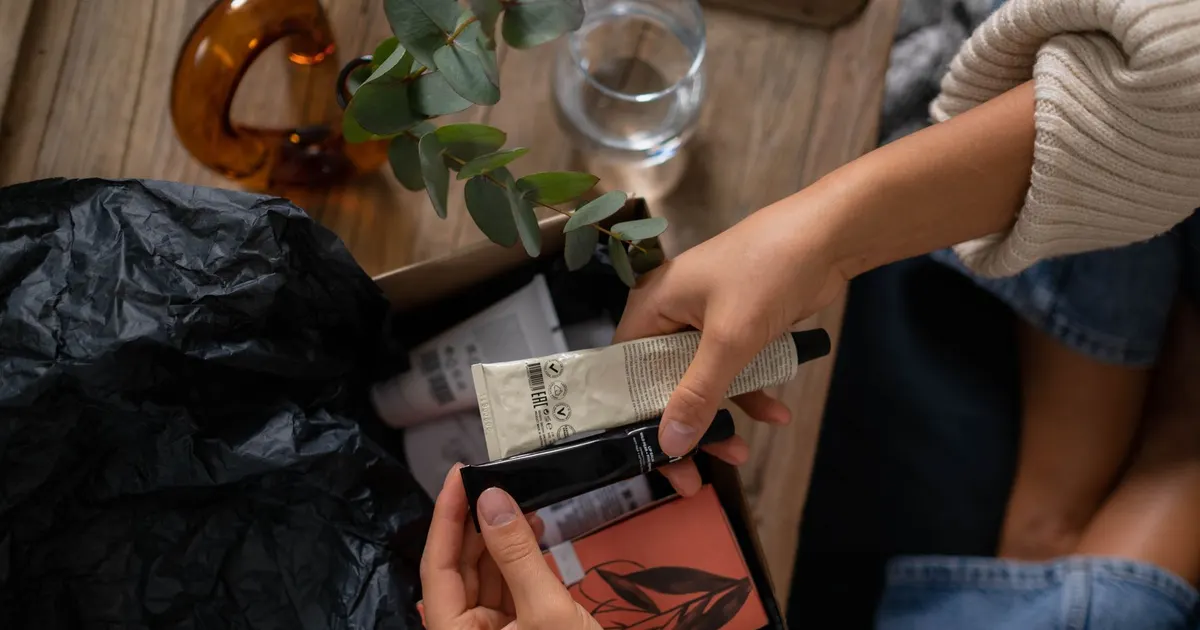
Skincare, bath and body
Useful if you want to try textures and ingredients without committing to full sizes. Less useful if you have sensitive skin or a routine that already works, since novelty is the opposite of what your skin wants.
Movement and recovery
Equipment-light fitness boxes, resistance bands, mobility tools and recovery items. These only earn their place if you have a spot to keep them and a habit to attach them to.
Sleep and winding down
Pillow sprays, weighted eye masks, herbal blends, sleep-focused audio. They pair well with an existing bedtime routine and are useless if your evenings are chaotic.
Mindfulness, journalling and reading
Guided journals, prompt cards, short books. The risk here is accumulation — beautiful objects that never get opened.
Match the Box to Your Actual Week, Not Your Ideal One
Ask yourself some unglamorous questions before you choose a type.
How often are you genuinely at home? If you travel for work or spend weekends away, a box that assumes a nightly ritual will sit unopened.
Where will it live? If the honest answer is "the cupboard under the stairs", the ritual won't happen. Things you can see get used.
Do you share a household? A tea or snack element is easier to justify when someone else will drink or eat it too.
Do you like surprises? Some people find a curated box delightful; others find it mildly stressful. If you're in the second group, look for services where you choose the contents or at least know the theme in advance.
Questions Worth Asking Before You Commit
- Is the contents list fixed or does it rotate? Rotation keeps things interesting but makes it harder to plan.
- Can you skip, pause or swap? Life changes, and a plan that can't flex will frustrate you.
- What's the packaging like? If you're subscribing for calm, a bin bag of plastic each month undercuts the point.
- How much of it will you genuinely use? One great item plus three you'll never touch is worse value than it looks.
- Is there a smaller size or a one-off option? Testing before committing is sensible.
- What's the actual ingredient list? For anything you ingest or put on your skin, read the label, not the marketing.
The Clutter Problem
The main reason wellness subscriptions fail isn't quality — it's accumulation. Two boxes in and you have four products you didn't ask for, and the routine starts to feel like admin.
A few rules help. Keep a single tray or basket for anything unopened, and don't add to it until it's empty. Give away what doesn't suit you quickly, rather than storing it "for later". Decant: a big bag of loose tea into a small jar you actually reach for. And check in every few months — if you're not using most of what arrives, the subscription is no longer serving the routine.
Build the Routine Around What Arrives
The box is the raw material; the habit is the work. A few things make it stick.
Attach new steps to things you already do. Tea after you switch the laptop off. Stretching while the kettle boils. Skincare right after brushing your teeth. Existing habits are free scaffolding.
Keep the trigger visible. A jar of tea on the counter beats a beautiful tin in a drawer.
Start with one thing. Adding a nightly bath, a supplement, a stretch and a journal entry on the same day is how routines collapse. Pick one, hold it for a few weeks, then add another.
Protect the time. Fifteen minutes nobody can claim is worth more than an hour that keeps getting interrupted.
When a Subscription Isn't the Answer
Sometimes the honest conclusion is that you don't need recurring deliveries. If you know exactly which tea you like, buy that tea. If you want to try one thing, buy one thing. Subscriptions earn their keep when they remove a decision you'd otherwise skip — reordering, restocking, remembering.
They also suit people who like a bit of structure and novelty, and who genuinely enjoy the unboxing. If the anticipation feels like a chore rather than a small pleasure, put the money into something else.
A Simple Weekly Template
A shape you can adapt:
- Weekday mornings: one thing that takes under five minutes — a supplement with breakfast, a proper cup of tea, a short stretch.
- Weekday evenings: a wind-down cue. Herbal tea, a few pages of a book, skincare.
- Once a week: a longer session. A bath, a walk, a mobility routine.
- Weekend: the reset. Restock, tidy the tray, plan the days ahead.
- Monthly: a five-minute review. What did you actually use?
The Short Version
Choose the subscription last. Name the gap, pick a category that fits the way you really live, ask the boring questions about rotation, packaging and flexibility, then give one new habit a few weeks before adding another. A box can support a self-care routine; it can't be one.