Healthy Eating for UK Families: The Guide That Starts in the Fridge, Not the Recipe Book
Healthy eating for a UK family is a logistics problem before it is a cooking problem. Here is how to make the easy option at five o'clock the decent one.

9 min read
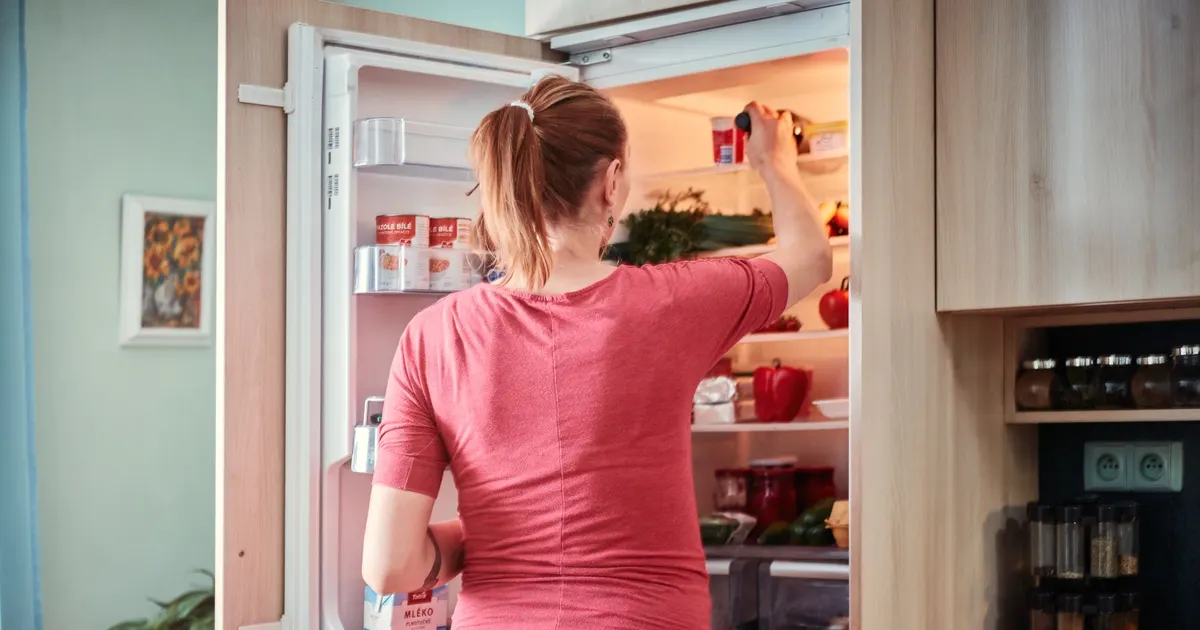
It's twenty past five on a wet Tuesday in February. The kitchen light is on, the kettle has just gone, and someone small is asking what's for tea before you've taken your coat off.
That is the moment that decides how your family eats. Not the recipe you saved on Sunday, not the plan stuck to the fridge door, not the good intentions that arrived with the January adverts. The five o'clock fridge decides.
So here is the argument of this guide, and everything below serves it: healthy eating for a UK family is a logistics problem before it is a cooking problem. The households that eat well are not the ones with the best recipes. They are the ones where the easiest thing to do at half five is also the decent thing to do. Get that right and most of the rest follows on its own.
Why Healthy Eating Matters More Than the Recipe You Chose
Ask anyone who has tried to change how their family eats and they will tell you the same thing. The recipes were never the problem. The shopping, the timing and the state of the fridge on a Wednesday were the problem.
It matters because the things British families most often run short on are not exotic. Fibre, oily fish, vegetables and a bit of variety. You can fix all four with a bag of frozen peas, a tin of sardines and a packet of oats, and none of them need a Saturday afternoon in the kitchen.
There is also the matter of what children learn. A child who watches an adult open a tin of beans and make something hot and edible in ten minutes has learned that cooking is a normal Tuesday activity rather than a hobby for people with time. That lesson sticks far longer than any lecture about vitamins.
The five o'clock test
Try this on yourself. Picture your kitchen at five o'clock on a normal weekday. What would you actually make, without a shop, without defrosting anything and without a recipe?
If the honest answer is decent, you have already solved most of this. If the honest answer is a takeaway, then you know exactly what to work on, and it is not your cooking skills.
The Building Blocks of a Balanced Diet, Without the Jargon
Five things, across the day rather than on the plate
The national guidance, the Eatwell Guide, is duller and more useful than most diet books. It says build your meals around:
- Starchy carbohydrates: potatoes, bread, rice, pasta, oats, and wholegrain versions wherever the family will accept them.
- Fruit and vegetables: fresh, frozen, tinned or dried. They all count.
- Protein: beans, lentils, eggs, fish, chicken, red meat, tofu, yogurt, milk.
- Dairy or a fortified alternative: milk, cheese, yogurt, or the plant versions with added calcium and iodine.
- A little fat: oils, spreads, nuts, seeds, oily fish.
The trick is not to balance every single meal. Balance the week. A Tuesday of beans on toast, a Wednesday of fish pie and a Thursday curry with a lot of spinach stirred through it will average out perfectly well.
Fibre, the one most of us quietly miss
Fibre is the dullest word in nutrition and the one that would do most UK families the most good. Oats at breakfast. Half-and-half bread if the white sliced loaf is non-negotiable. Beans or lentils stirred into whatever is already in the pan. Potatoes with the skins left on. Fruit eaten rather than juiced.
Add it gradually and keep the water going, or you will get complaints. A sudden jump from white bread to a bowl of bran is a mistake nobody repeats twice.
The drink question
Squash, fizzy drinks, juice, and the enormous mugs of tea that hold the country together. Water and milk are the easy defaults for children. Juice counts towards fruit and veg but only once a day however much of it goes down, and it does less harm in a small glass with a meal than sipped from a beaker all afternoon.
What a portion actually looks like
Forget weighing things on a school night. A palm of the hand for protein, a fist for vegetables, a cupped hand for rice or pasta, a thumb for fats and spreads. Children's hands, children's portions. It is not precise and it does not need to be.
Eating With the British Seasons (and the British Weather)
January to March: the oven months
Root vegetables, leeks, cabbage, celeriac, swede, parsnips, and a freezer drawer of peas, sweetcorn and spinach to fill the gaps. Stews, soups, traybakes and the slow cooker. This is the quarter where the oven and the freezer do the heavy lifting, and where a big pot of something on Sunday pays for itself twice over by Wednesday.
April to June: the false start
Asparagus, new potatoes, radishes, salad leaves and the first strawberries. It is also the season where the weather lies to you. A warm Saturday in May gets the barbecue out, and then June turns cold and grey again. Keep a tub of soup in the freezer for the week the salad wilts in the fridge.
July to September: the glut
Courgettes, tomatoes, runner beans, berries, and blackberries from the hedgerow in late summer if you can get to a footpath with a tub. This is the easiest time of year to eat well and the hardest to keep the fridge under control. Courgette fritters and tomato pasta exist for a reason.
October to December: the slow descent
Squash, parsnips, sprouts, apples, and then the mince pies. Batch cooking season. Cook double on a Sunday, freeze half, and label it, or you will be playing freezer roulette in February.
The weather does not read the calendar
A British summer can deliver a fortnight of rain and a British October can deliver a heatwave. So keep both sets of options in the house: frozen berries and frozen peas, a tub of soup and a bag of salad. The freezer is the most underrated appliance in the country, and frozen vegetables are picked and frozen quickly, so they hold their own against fresh ones that have been sitting in the fridge for a week.
Healthy Eating on a UK Budget: What to Buy, What to Skip
The big shop and the top-up shop
The planned shop is the plan. The top-up shop is where the money goes, and the corner shop is the most expensive place in Britain. Two planned shops a week with a list beats five unplanned ones, every time.
Own-brand is not a compromise
For oats, pasta, rice, tinned tomatoes, beans, frozen vegetables, milk and flour, the plainer packets are usually the same food in a different design. Spend the difference where quality really shows: fresh fish, decent cheese, good bread, olive oil.
Where the money actually leaks
- Prepared and chopped fruit and veg
- Snacks, cereal bars and lunchbox fillers
- Drinks, especially the ones bought alongside a sandwich
- The second trip out for one forgotten ingredient
- Food thrown away
That last one is the big one. A startling share of what a household buys goes in the bin, and most of it is bread, salad, milk and leftovers. A two-minute fridge audit before you shop does more for the budget than any voucher.
Cheap protein, and how often it gets used
Eggs, tinned beans and lentils, chickpeas, tinned fish, frozen white fish, chicken thighs, mince stretched with lentils or grated carrot, milk, yogurt, peanut butter, tofu. Every item on that list becomes a meal with an onion and a tin of tomatoes.
The yellow sticker run
Late-evening reductions are worth knowing about. Buy it, take it home, freeze it the same night and label it. The mistake is buying a bargain and leaving it at the back of the fridge until Thursday, which turns a saving into waste.
Getting the Whole Family on Board Without a Standoff
One meal, one kitchen
Cook one dinner. Everyone gets a bit of everything, and there is always something on the table that each person will eat: bread, yogurt, fruit, a spoonful of plain pasta. What you do not do is run a second menu. The moment there are two dinners on the go, there are three.
The picky eater and the toddler
Repeated exposure, small portions, no pressure, and no pudding used as a bribe. "You don't have to eat it" is a surprisingly powerful sentence at the table. It takes the fight out of tea, and the fight is usually what makes a small person dig their heels in.
Teenagers and the open fridge
Teenagers eat constantly, and they will eat whatever is in the house. That is the entire strategy. If the crisps are not there, they will have toast. Keep the fruit bowl in plain sight, keep the yogurt at the front of the fridge, and keep something substantial in for the after-school raid.
Get them in the kitchen
Age-appropriate jobs: stirring, mashing, tearing leaves, weighing, chopping soft things with a table knife. The child who helped make it eats it far more often than the child who did not, and the ten minutes it costs you is usually repaid in fewer complaints.
The adults have to be in it too
The fastest way to sink the whole thing is for the grown-ups to be on a separate plan. If the family meal is not something the adults are happy to eat, it will not survive a fortnight.
The Pitfalls That Catch Nearly Every Family
The Sunday reset that ignores Wednesday
A plan that works on Monday and Tuesday and collapses by Thursday is not a plan, it is a mood. Leave two nights deliberately blank for leftovers and whatever is in the freezer.
Buying for the family you wish you had
The recipe that needs an hour of chopping on a school night. The vegetables nobody in the house actually likes. Buy for the family that exists, tiredness and all.
The health halo
Fruit snacks, cereal bars, flavoured yogurts and juice drinks are marketed as lunchbox food and are often sugar with a nice picture on the packet. Read the label. If sugar is in the first three ingredients, it is a treat rather than a building block.
The all-or-nothing week
One takeaway does not ruin a week. The trouble starts when one takeaway becomes the reason to write off the rest of it. The next meal is the only one that matters.
The five o'clock decision
The single most useful change you can make is moving the decision earlier. Ten minutes the night before, or twenty on a Sunday, is enough to make the healthy option the easy one on a wet Tuesday in February.
The freezer that never gets used
If the freezer is full of unlabelled tubs and a bag of peas from three winters ago, it is not a resource, it is a cupboard. Label things, date them and eat them.
Go and look at your fridge. Not to judge it, just to see what is genuinely in there on a normal week. Then ask one question: if it were five o'clock and everyone was hungry, what would you make? If the answer is something decent, you have already done the hard part. If it is not, you know exactly what to sort out this weekend, and it will take less time than the takeaway would have done.