How to Buy a Bike Online in the UK: Sizing, Assembly and Returns
Buying a bike online can save you a trip, but getting the fit and setup right is where most people slip up. Here's a practical UK guide to sizing, assembly and returns.

6 min read
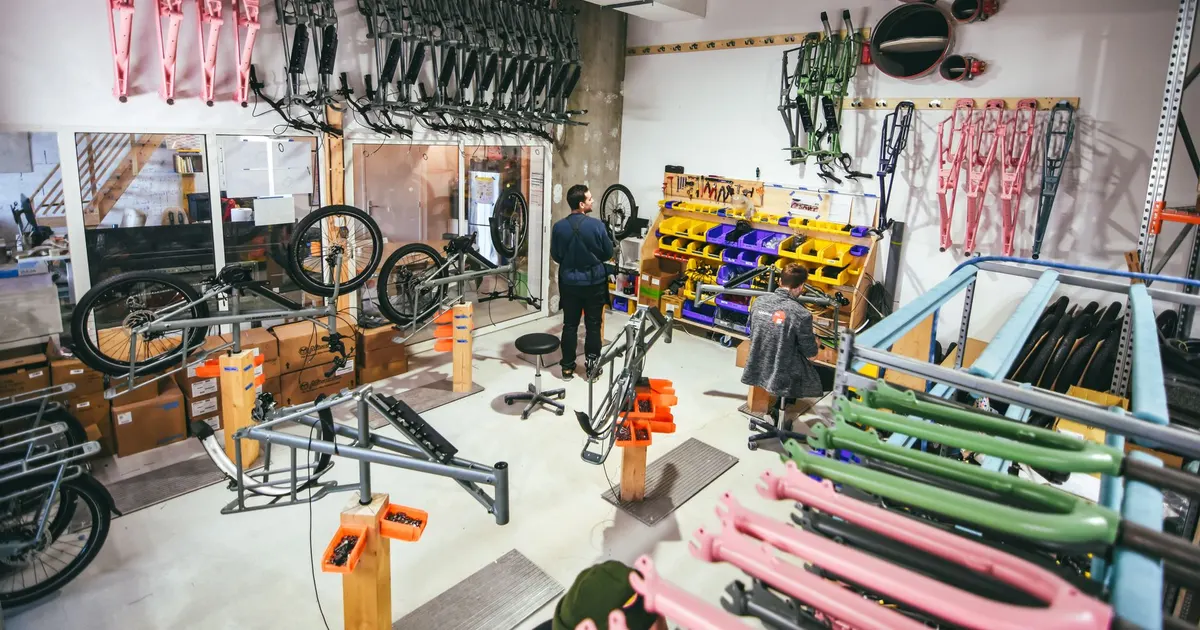
Photo: Jean Fourche / Pexels
Why buying a bike online is different
Ordering a bike online is a bit like buying shoes without trying them on. You can get a great deal, but if the fit is wrong you'll feel it on every ride. In the UK, where weather changes quickly and cycle paths vary from smooth tarmac to gravel towpaths, the right bike and setup matter more than the badge on the frame.
This guide walks through the practical bits: choosing a type, getting the size right, checking the listing, assembling safely and knowing where you stand on returns.
Start with the right kind of bike
Before you look at any listing, decide what you'll actually use it for. Most UK riders fall into a few broad camps.
Commuting and everyday errands
If you're riding to work, the station or the shops, look for a bike with mounts for mudguards and a rack. Clearance for wider tyres helps on potholed roads and shared paths. Upright handlebars make it easier to see traffic.
Towpaths, gravel and light trails
A hybrid or gravel-style bike works well on canal towpaths, disused railway lines and bridleways. You want a bit more tyre volume and a frame that can take a bit of rough without rattling you to bits.
Road riding and fitness
If you're chasing distance on tarmac, a road bike with drop bars and lighter components makes sense. Just be honest about how often you'll ride in the rain and on gritty roads — that affects what you should prioritise.
Folding and small-space living
For flats and train commutes, a folding bike is hard to beat. Check the folded dimensions against your hallway or under-desk space before you buy.
Getting the size right without a test ride
This is the part that trips up most online buyers. You can't sit on it first, so you need to work from measurements.
Measure yourself properly
Stand against a wall without shoes. Measure your height. Then measure your inseam — from the floor to your crotch, keeping the tape snug but not tight. Write both down. You'll also want your arm length and flexibility in mind if you're looking at a more aggressive riding position.
Compare geometry charts
Every decent listing should include a geometry chart. Look for stack and reach, not just frame size in centimetres or inches. Stack is the vertical distance from the bottom bracket to the top of the head tube. Reach is the horizontal distance. Together they tell you more about fit than a single number.
If you already have a bike that fits well, measure its stack and reach and compare. That's the most reliable shortcut.
Frame size vs wheel size
A small frame with large wheels can feel different from a large frame with smaller wheels. For most adults, wheel size is about rollover and stability, while frame size is about your body. Don't assume a bigger frame is always better — a slightly smaller frame with an adjustable stem and seatpost can often be made to fit comfortably.
Adjustable parts give you wiggle room
Stems, seatposts and handlebars can be swapped or adjusted. If you're between sizes, a good rule of thumb is to size down and adjust up, as long as the reach isn't too short. But check that the seatpost has enough insertion and the stem can be changed without new cables.
What to check in the listing
Online listings vary wildly in quality. Here's what to look for.
Component details
Look for the groupset, brake type and tyre clearance. Hydraulic disc brakes are great in British weather, but mechanical discs and rim brakes can work well too if maintained. Check the tyre size and whether there's room for mudguards.
Photos and measurements
Good listings show the bike from multiple angles, including close-ups of the drivetrain, brakes and any scuffs. If it's second-hand, ask for a photo of the frame number and the bottom bracket area. Vague listings are a red flag.
Weight and mounts
If you'll carry it up stairs or onto a train, weight matters. Also check for rack and mudguard mounts if you plan to commute. Not all frames have them.
Condition if second-hand
For used bikes, ask about mileage, crash history and servicing. A well-maintained older bike can be a better buy than a neglected newer one. Look for rust, cracks and worn drivetrain parts.
Assembly and setup
Most bikes arrive partly assembled. You'll usually need to fit the front wheel, handlebars, pedals and seatpost. Here's how to do it safely.
Tools you'll need
A set of hex keys, a pedal spanner, a torque wrench and some grease. A work stand helps but isn't essential. Don't overtighten carbon parts — use a torque wrench and follow the marked values.
Step-by-step basics
Fit the front wheel and tighten the quick-release or thru-axle. Attach the handlebars, making sure cables aren't crossed. Fit the pedals — remember the left pedal is reverse-threaded. Set the seatpost height and angle. Check the brakes and gears before you ride.
Safety checks before your first ride
Spin the wheels to check for wobbles. Squeeze the brakes hard. Run through the gears. Check that the headset and bottom bracket have no play. Bounce the bike gently — if anything rattles, investigate. Take a short, quiet ride near home before heading into traffic.
Returns and what to do if it doesn't fit
Returns policies vary, but most online retailers accept returns within a set window if the bike is unused and in its original packaging. That means you need to be careful.
Unbox carefully and keep the packaging
Don't rip boxes or discard foam and cable ties. If you need to return the bike, original packaging makes it much easier. Take photos as you unbox if anything looks damaged.
Test indoors or on a quiet street
Fit the pedals loosely and ride gently on a clean surface. Don't go through muddy puddles or remove protective film until you're sure you're keeping it. If it doesn't fit, stop and repack.
Common reasons for return
Wrong size, damaged in transit, or the bike simply doesn't match the description. If it arrives damaged, report it straight away with photos. If it's a fit issue, check whether a stem or seatpost swap would solve it before returning — sometimes a small adjustment is all you need.
Collection and courier logistics
Some retailers arrange collection, others expect you to send it back. Keep the box and any labels. If you're returning a large item, ask about collection options before you buy, especially if you live in a flat or have no car.
Protecting your purchase
Once you're happy, register the frame number with a cycling database and note it down. Get a decent lock — in UK towns and cities, a good lock is not optional. Consider insurance if the bike is valuable or you rely on it daily. Keep your proof of purchase somewhere safe.
A final checklist before you click buy
- Type of bike matches your actual riding.
- You've measured your inseam and compared stack and reach.
- The listing includes clear photos and component details.
- You know the returns window and what condition the bike must be in.
- You have the tools and confidence to assemble it, or a local shop that can help.
- You've budgeted for mudguards, lights, a lock and a helmet.
Buying a bike online can work brilliantly if you do the homework. Get the size right, check the details, assemble carefully and know your returns options. Then you can enjoy the ride — whatever the British weather throws at you.