How to Check Delivery Times and Shipping Costs Before You Buy Online
The delivery promise on the product page is only half the story. Here's how to work out what you'll really pay, when it's likely to turn up, and whether the returns policy is worth the risk.

6 min read
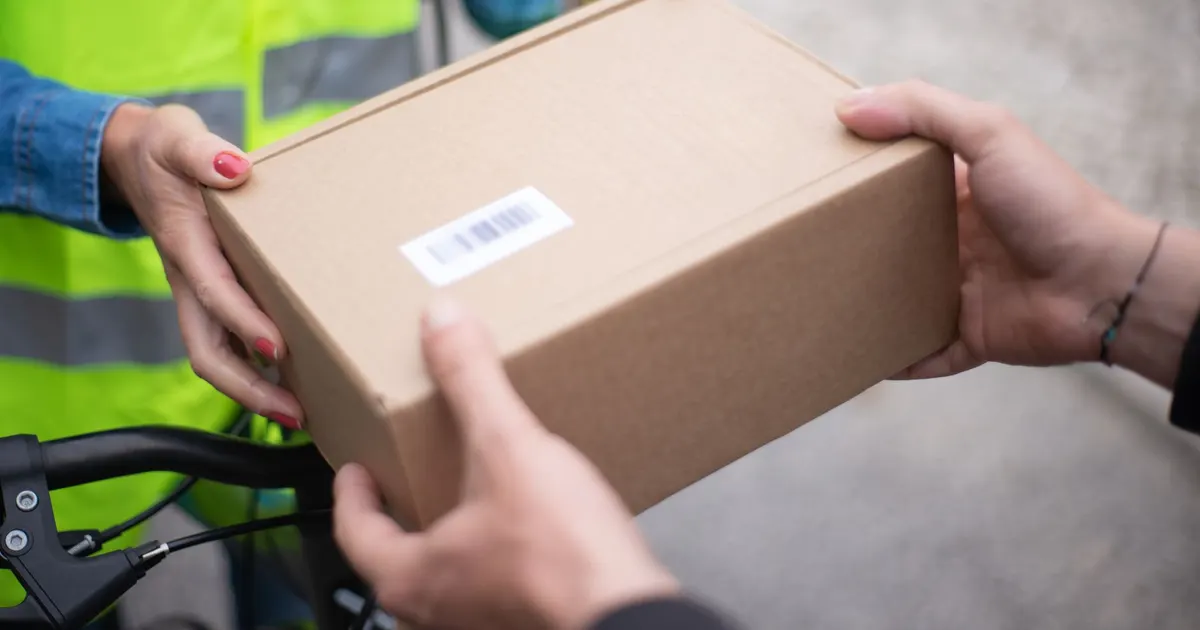
Photo: Kampus Production / Pexels
The delivery promise is only half the story
Every marketplace shows you something reassuring on the product page — a little line about when your parcel should arrive. What it rarely shows you is the small print: where the item is coming from, who's actually sending it, and what happens if you're out when the courier calls.
That gap between the promise and the reality is where most online shopping disappointments live. The good news is that almost all of it is checkable before you pay, if you know where to look.
Where the real information hides
The product page and the "sold by" line
On a marketplace, the first thing to check is who is selling. A listing fulfilled by the marketplace itself behaves very differently from one handled by an independent seller. Look for the "sold by" or "dispatched by" line, usually under the buy button or in a panel beside it.
If those two names differ, the seller is storing stock with the marketplace and the marketplace handles the post. If they match, you're dealing with a small shop that packs and posts things itself — perfectly fine, but it means their own timings and their own choice of courier.
The basket and checkout
This is where the estimate usually firms up, because the system finally knows your postcode and the total weight of your basket. Read the delivery options properly rather than clicking whichever one is pre-selected. The cheaper option is often the slower one, and the difference is normally spelled out in working days rather than calendar days.
Also check whether the estimate is a range or a single date. A range is honest. A single date is a best guess dressed up as a promise.
The seller's policy pages
Boring, but worth two minutes. Find the delivery page and the returns page. You're checking four things: who pays for return postage, whether there's a restocking charge for unwanted items, what happens with damaged goods, and whether the seller ships from abroad.
How to read a delivery estimate without being caught out
Watch the wording. "Dispatched within" is not the same as "delivered within". One counts from the moment the seller packs your order; the other counts from the moment you click pay. Sellers blur these two on purpose.
Working days exclude weekends and bank holidays. An estimate quoted in working days will run longer than you expect, especially over Christmas, Easter and the May bank holidays.
Cut-off times matter more than the headline. An order placed after the cut-off rolls into the next working day, and that's before you've accounted for a weekend sitting in the middle.
Your postcode changes things. The Highlands, the islands, Northern Ireland and some rural mainland postcodes sit outside standard courier routes. Some sellers add a surcharge or simply won't ship there. If you're in one of those areas, check before you fill a basket, not after.
Split orders. If you've bought several items from different sellers in one basket, expect separate parcels and separate arrival dates. Check each one individually.
What actually drives the shipping cost
Shipping isn't priced by sentiment. It's priced by:
- Weight and size. Bulky but light items are charged on the space they take up, not what they weigh.
- Number of parcels. A single order can become two or three consignments if the seller splits it.
- Where it ships from. Domestic post is cheaper and simpler than cross-border.
- The service level. Tracked, signed-for and timed options cost more than an untracked standard service.
- Packaging and handling. Small sellers often build this in rather than listing it separately.
Free delivery thresholds and basket padding
Plenty of shops waive the postage once your basket passes a certain value. That's genuinely useful if you were buying that much anyway. It's a trap if you're adding a filler item you don't want just to dodge a small postage charge. Do the maths on what you actually need.
Membership schemes and subscription delivery
Some retailers run paid membership schemes with delivery included. They only make sense if you order often enough to cover the fee. Work out roughly how many orders you'd need to place in a year before it pays for itself — and be honest about whether you'll actually place them.
Click and collect, lockers and parcel shops
Collecting from a shop, a locker or a local parcel point is often cheaper than home delivery and much easier if you're out at work all day. It also gives you a record of the handover if something goes missing. Check the opening hours of the collection point before you choose it — a locker in a car park that shuts at teatime is no use to anyone.
Buying from outside the UK: the customs bit
Since the UK left the EU, orders arriving from the EU are imports like any other. That means import VAT, sometimes customs duty, and a handling charge from whichever courier processes the parcel. These are usually collected before delivery, and they're charged to you rather than the seller.
A few practical points:
- Check the seller's delivery page for a line about who covers customs charges. Some do; many don't.
- Factor the potential charge into your decision before you buy, not when the courier texts you.
- Returns to a seller outside the UK can be expensive and slow, and you may not get the customs charges back.
- If you're in Northern Ireland, the rules can differ again — check the seller's guidance for your address specifically.
Returns: the part most people skip
Under UK consumer law, buying at a distance gives you a cooling-off period in which you can cancel for any reason. What the law doesn't do is make the seller pay your return postage in every case. Read the returns page and find out:
- Whether a prepaid label is included in the parcel.
- Who pays for the return if you simply changed your mind.
- Whether large items need a collection, and whether that's charged.
- How long you have to start the return, and what condition the item needs to be in.
A quick checklist before you pay
- Who is the seller, and are they shipping from the UK?
- Is the estimate a range or a single date?
- Is it working days or calendar days, and from dispatch or from order?
- Which courier, and do they cover your postcode without a surcharge?
- What's the total at checkout, including any shipping and handling?
- Are customs charges likely, and who pays them?
- Who pays return postage, and is a label in the box?
- Would click and collect suit you better?
The bottom line
The trick isn't finding a shop with the fastest promise — it's finding one that tells you the truth up front. If the shipping cost only appears at the final step, if the estimate is vague, or if the returns page is silent on who pays, treat that as your answer and shop somewhere clearer. Two minutes of reading beats chasing a parcel for weeks.