How to Buy a Raincoat Online in the UK: Fit, Fabric and British Weather
A raincoat is one of the few online buys where the details really matter. Here’s how to choose one that handles a British commute, a dog walk and a drizzle-soaked weekend without looking like a tent.

5 min read
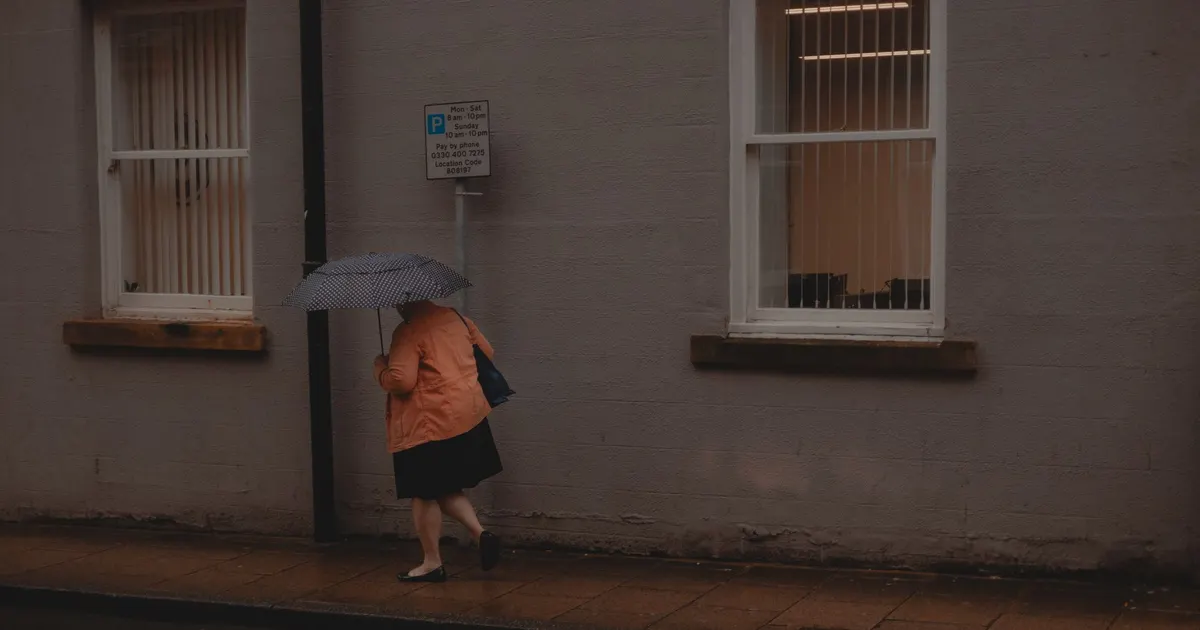
Photo: Ffion Scott / Pexels
A good raincoat is less about looking outdoorsy and more about getting to the bus stop without a soggy back. In the UK, rain rarely arrives as a dramatic storm. More often it is a fine drizzle that hangs about all day, or a sharp shower that catches you halfway across town. That is the weather your coat needs to handle.
Buying one online is doable, but it asks more of you than buying a jumper. Fit, fabric and the small details all decide whether you reach for it or leave it on the hook. Here is what to check before you click.
Know the job before you shop
Start with how you will actually wear it. A short, packable jacket for the walk to the station is a different buy from a long coat for school runs, dog walks and weekend pottering. If you mostly spend ten minutes at a time outdoors, a lightweight layer with a decent hood will earn its keep. If you stand on touchlines or walk the dog in all weathers, look for more coverage and a sturdier build.
Be honest about the fantasy version of your life. You do not need a coat for a moorland hike if your main exposure to rain is the queue outside a bakery.
Fit: the measurements that matter online
Sizing charts vary wildly, so measure a coat you already like and compare those numbers with the listing. Do not rely on the label alone.
- Chest and shoulders: you want room to move, not a straitjacket. Check the shoulder width especially; it is hard to fix later.
- Sleeve length: your wrists should stay covered when you reach for a bus rail or a steering wheel.
- Room for layers: a raincoat that only fits over a T-shirt is a summer coat in disguise.
- Hem length: a longer hem keeps your thighs dry, but it can feel awkward on a bike or on stairs.
- Hood fit: a hood should come forward enough to keep rain off your face without flopping over your eyes.
If you are between sizes, think about what you will wear underneath. A close-fitting coat over a chunky knit is a miserable combination.
Fabric and build: where rain gets in
A coat can look the part and still let water through at the seams. Check the description for the practical bits, not just the colour.
Seams, zips and storm flaps
Taped or sealed seams are a good sign. A storm flap over the main zip helps keep rain out, and a two-way zip is useful on longer coats when you sit down or cycle. Look at the cuffs too: adjustable cuffs are more useful than they sound.
The hood
A hood with a small peak is worth having. So is some way to adjust it, whether that is a drawcord or a tab at the back. A hood that cannot be tightened will either blow back or obscure your view.
Breathability
Waterproof fabric that does not breathe turns into a personal sauna. Pit zips, mesh lining and a fabric description that mentions breathability are all clues. If you run hot on the commute, this matters more than a fancy finish.
Layering for a British year
A raincoat has to work in June drizzle and October downpours. That means leaving room for a thin knit or a fleece in colder months without swimming in fabric in milder weather.
A removable liner can be handy, but it adds bulk and something else to lose. For most people, a simple shell with room for a mid-layer is more flexible. Check that the sleeves are not so narrow that a jumper bunches up inside them.
Style: avoid the bin-bag effect
A raincoat does not have to look like a tent. Look at the shape when it is open as well as zipped. A belted waist, a slightly shaped seam or a longer line can make a practical coat feel less like outdoor kit.
Muted colours hide road splashes and go with more of your wardrobe. A short jacket in a bright colour is cheerful on a grey day, but only if you will actually wear it. Check how the coat looks with your usual bag; a shoulder strap can rub against a bulky hood or a stiff collar.
If it only works fully fastened, you will resent it on the bus. A coat should look reasonable undone, because that is how you will wear it indoors and in the car.
Care and small repairs
Raincoats do not need much, but they do need the right kind of not much. Brush off mud when it is dry, rinse off grit, and hang the coat to dry rather than draping it over a radiator. Too much heat is unkind to the fabric and the proofing.
If water stops beading on the surface, the coat may need reproofing. Check the care label before you buy; some fabrics are fussier than others. Store it on a wide hanger so the shoulders keep their shape, and empty the pockets now and then. Tissues and bus tickets have a way of turning into mush.
Before you pay: a quick checklist
- Measure a coat you already own and compare it with the listing.
- Read the fabric and care description properly.
- Check the hood, cuffs, pockets and main zip.
- Think about the bag you carry and where it will rub.
- Consider the weight if you want to pack it in a rucksack.
- Look at the coat open as well as zipped in the photos.
- Make sure you know how to send it back if the fit is wrong.
A raincoat is one of those buys that should make your day easier, not add another thing to worry about. If it fits over a jumper, keeps your phone dry and does not make you sigh when you see it by the door, it is doing its job. The best one is the coat you grab without thinking, whatever the forecast says.