The UK Tea Subscription: How to Build a Brewing Habit That Sticks
A tea subscription can be a small, comforting ritual — or another unopened box in the cupboard. Here's how to choose one that fits your kitchen, your water and your week.

7 min read
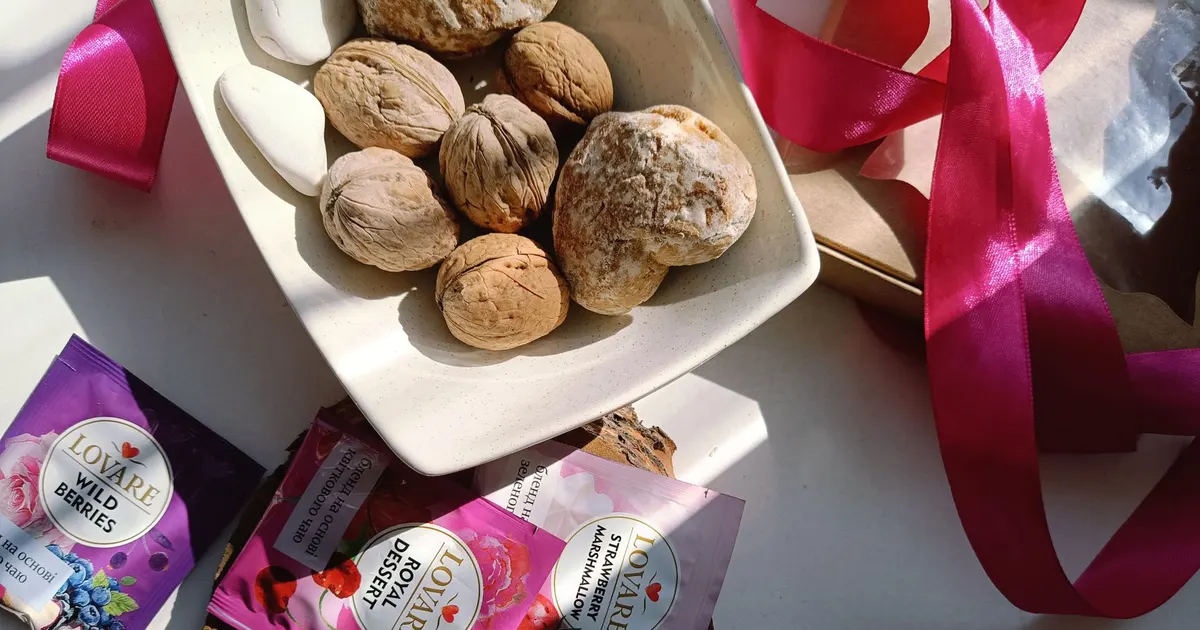
Photo: elena_ sher / Pexels
Why tea makes a good subscription
Tea is a gentle everyday luxury. In the UK, a cuppa is already part of the day: the first mug at the kitchen table, the mid-morning break, the afternoon pause. A subscription can nudge you out of a routine and introduce a new leaf, a different region or a caffeine-free blend for the evening. It can also become clutter if you choose badly. The trick is to treat it like a pantry staple, not a collector's shelf.
Start with the tea you already drink
Before you sign up, look at your current mug. What do you reach for when you are tired, cold or hosting? That tells you more than any tasting wheel.
Ask yourself
- Do you take milk? If yes, you may prefer a robust breakfast blend or an Assam-style tea that stands up to it.
- How strong do you like it? A subscription that sends delicate leaves may disappoint if you usually brew a builder's tea.
- When do you drink it? Morning caffeine, afternoon lighter cups, evening herbal. A mixed box can cover all three, but only if you will actually drink them.
- How many cups a day? Be honest. A box that lasts a fortnight is no good if you drink one cup a week.
- Do you want loose leaf or bags? Both have a place. Loose leaf gives more control and less packaging; bags are quicker and easier to take to work.
A quick tally
Count your usual tea intake for a week. If you drink two cups a day, that is fourteen cups. A subscription should match that rhythm, not overwhelm it. If you are unsure, start with a smaller plan or a one-off sample.
The water matters more than you think
In the UK, water varies from soft to very hard. Hard water can make tea taste dull and leave a film on the surface. If you live in a hard-water area, a simple filter jug can make a noticeable difference. So can descaling your kettle regularly.
Temperature matters too. Black tea usually wants water just off the boil. Green and white teas often taste better with cooler water. Herbal infusions need a full boil. If a subscription sends brewing notes, follow them. If not, look up a basic guide for the type of tea. A kettle with temperature settings is not essential, but it helps if you drink a lot of green or white tea.
Leaf, bag or pouch?
Each format suits a different life.
- Loose leaf: best flavour, more ritual, less packaging. You need an infuser, a teapot or a basket. It is not ideal for a rushed morning.
- Bags: convenient, consistent and easy to take to work. Check whether the bags are plastic-free if that matters to you. Some bags are compostable, some are not.
- Pouches or sachets: pre-measured and tidy. They suit offices, travel and shared kitchens. They can cost more per cup and create more waste.
A good subscription lets you choose the format, or at least tells you clearly what you are getting. If you are new to loose leaf, a starter set with an infuser can be a better first step than a large box.
What to look for in a subscription
- Flexibility. Can you skip a month, pause, swap a tea or cancel online? A subscription should fit your life, not trap you.
- Clear tasting notes. You want to know what is in the box: origin, type, strength and caffeine level. Vague descriptions make it hard to choose.
- Caffeine-free options. If you drink tea in the evening, look for rooibos, herbal blends or decaf. A mixed box should let you choose.
- Packaging. Refill pouches, compostable bags, tins you can reuse. If you care about waste, ask before you subscribe.
- Customer service. A quick reply to a question about brewing or a missing item matters more than a fancy website.
- No pressure. You should not have to buy extra accessories or commit to a long contract.
Match the box to your week
A subscription works best when it fits your existing habits.
Morning
Choose a strong breakfast blend or a malty Assam. If you take milk, check that the tea is robust enough. Keep a tin by the kettle.
Afternoon
A lighter black tea, a green tea or a flavoured blend can be a nice change. If you work from home, a mid-afternoon cup is a natural break. If you are in an office, sachets or bags are easier.
Evening
Caffeine-free is the sensible choice. Peppermint, chamomile, rooibos or a spiced herbal blend. A subscription that includes a dedicated evening selection can help you build a wind-down routine.
Weekend
This is the time to try the more unusual leaves. A single-origin oolong, a smoky lapsang or a floral green. Keep a small notebook if you like, or just note the ones you would buy again.
Avoid the cupboard graveyard
Subscription boxes can pile up. A few habits keep things under control.
- One in, one out. Finish a tin before you open the next.
- Decant into airtight tins. Keep the original label or write the name and date on the tin.
- Create a "drink me first" shelf. Put the oldest or opened tea at the front.
- Share samples. If a tea is not for you, pass it to a friend or colleague.
- Do not hoard. Tea is a fresh product. It fades with time, especially if it is stored near heat, light or strong spices.
- Use a small scoop. It helps you brew consistently and stops you over-leafing.
Try before you commit
Many subscriptions offer a sample box, a one-off purchase or a gift option. This is the best way to test the quality and the format. If you are unsure, start with a one-off box. You can always subscribe later. If you are buying as a gift, check whether the recipient can choose their own teas or pause the plan.
Kit that earns its place
You do not need much. A few basics make a subscription more enjoyable.
- A kettle you can trust. Temperature control is a bonus.
- An infuser, teapot or basket.
- Airtight tins for storage.
- A measuring spoon.
- A mug you actually like.
- A water filter if you live in a hard-water area.
Sustainability and waste
Tea is a natural product, but packaging adds up. Loose leaf usually uses less packaging than individually wrapped bags. Refill pouches can be lighter than tins. Some bags are compostable, but many still contain plastic. Check the description or ask the seller. Reuse tins and pouches where you can. And only order what you will drink.
When to pause or cancel
A subscription is not a lifetime commitment. Pause if you have too much tea, if you are going away, or if your routine has changed. Cancel if you are not excited by the boxes, if you have found a favourite you can buy locally, or if the format no longer suits you. A good seller makes this easy. If it does not, that is a sign to look elsewhere.
A simple month-one test
After your first month, take five minutes to review.
- Which teas did you finish?
- Which did you leave half-drunk?
- Did you add milk or sugar?
- Did you enjoy the format?
- Was the packaging manageable?
- Would you be happy to receive the same again?
If you finished most of the box and looked forward to the next, keep going. If you have a cupboard full of untouched samples, pause or cancel. Adjust the frequency instead of giving up on tea subscriptions entirely.
Final thoughts
A tea subscription should feel like a small pleasure, not a chore. Choose one that matches your water, your taste and your storage. Keep it simple, drink what you buy, and let the rest go. Done well, it is a gentle way to make an ordinary British day a little more interesting.