A Clean Vehicle History Report Means Less Than You Think
A history report won't tell you whether to buy the car. It tells you what to ask before you hand over any money, and the blank spaces are where the useful bits hide.

5 min read
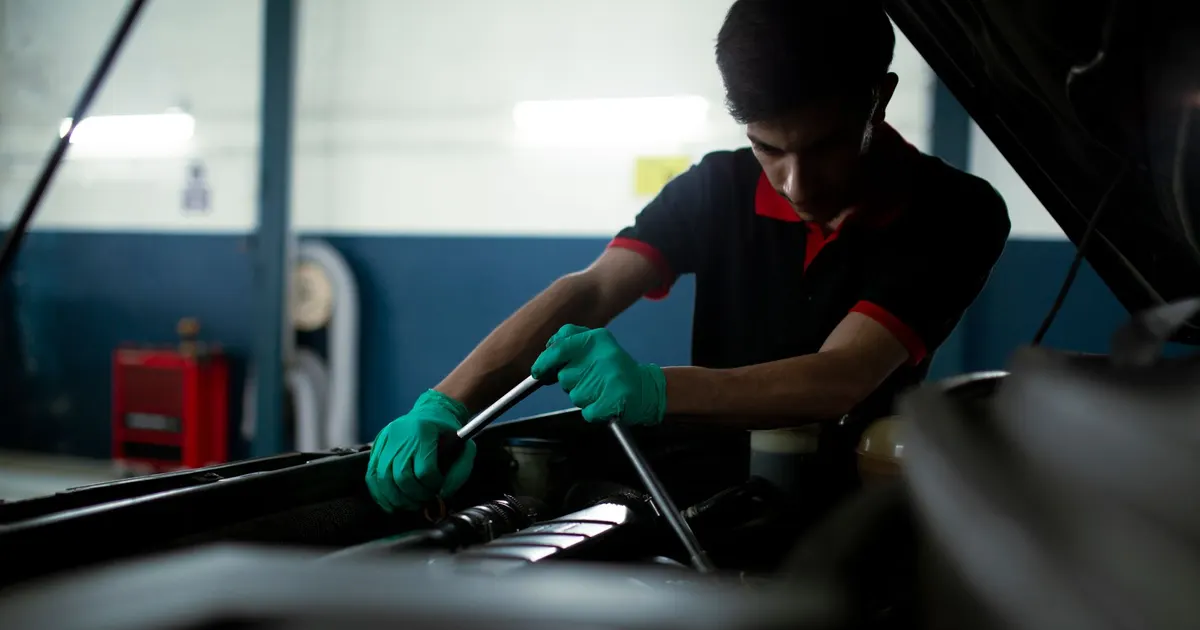
Photo: Fatih Erden / Pexels
It's a wet Saturday in a cul-de-sac in Bedminster, and the car in front of you looks better than the photos did. You've got the history report open on your phone and it's a wall of green ticks.
Here's what I've learned after too many driveway viewings: the ticks are the least useful part. A vehicle history report doesn't tell you whether to buy the car. It tells you what to ask, and the blank spaces are usually where the interesting stuff hides.
Start with the plate, not the photo
Everything in the report hangs off the registration. So the first job is boring and essential: check the plate on the car matches the plate in the advert and the plate on the report. Sounds obvious. It isn't, especially when someone has spent money on a private plate and is keeping it for their next car.
A few things worth knowing about plates:
- A car sold on a private plate may have its history recorded under an earlier registration. Ask which plate the car will be sold on and make sure the report covers it.
- An older car wearing a much newer plate is a question, not a crime. Cherished plates get moved around all the time.
- A Northern Irish plate on a car now living in Bristol is fine, but it's worth asking where the car has actually spent its life. Coastal cars and cars from areas that grit heavily in winter can age differently underneath.
Run the check yourself rather than trusting a screenshot the seller sends. Services like Instant Car Check take the plate, pull vehicle details from the DVLA and cross-check stolen markers against Police National Computer files. You can pay by card or PayPal and read the report on your phone or print it. A screenshot proves nothing; a report you generated proves the car exists as described.
Write-off and stolen: the two lines that decide the deal
If the report shows a live stolen marker, stop. Not "ask a few more questions", not "the seller seems nice". Stop. A stolen car gets taken off you and the money is gone.
Write-off records are more nuanced. The current categories are Cat S (structural damage) and Cat N (non-structural), with older cars carrying Cat C and Cat D. Cat A and B should never be back on the road. A Cat S car can be a perfectly good buy if the repair was done properly and the price reflects it, but you need to know before you insure it, because some insurers won't touch a previously written-off car and the ones that will may charge more. You'll also have to declare it when you sell.
The bigger point: a clean report means nothing was reported. A car repaired privately after a bump, with no insurance claim and no police report, leaves no trace on any database. That's not a reason to skip the report. It's a reason to read it as "no known record" rather than "no damage ever".
Owners, imports and exports: the story between the lines
Owner counts only make sense in context. A two-year-old car with five keepers is a question. A fifteen-year-old car with two is normal, maybe even good. Compare the report against the V5C: the log book shows the number of previous keepers, and if the two disagree, ask why before you get attached.
Import and export records are the ones people skim past. A car imported from Japan or Ireland can be a great buy, but it may have a different specification, a speedometer converted from kilometres, an insurance group that surprises you, and a service history in a language you can't read. "Exported and re-imported" is also worth a question: it means the car left the UK and came back, and the gap in its history is exactly where you'd want records.
The VIN check that catches a dressed-up car
This is the bit that separates a proper check from a quick glance. The report is only about your car if the VIN on the report matches the VIN on the car. Read it in three places: at the base of the windscreen, on the door shut or under the bonnet, and on the V5C. They should all match each other and the report.
If they don't, walk away and don't be talked round. A mismatched VIN is how a stolen car gets a clean identity, and it's also how a trader ends up selling you a different car from the one in the advert. While you're there, look at the VIN plate rivets. Factory rivets look factory. Disturbed ones are a question you should ask out loud.
Mileage and finance: when the extras earn their place
Mileage records are an optional extra on most reports, and they're worth paying for on anything with a long MOT history. The MOT record captures mileage at each test, so a car that quietly loses tens of thousands of miles between tests is easy to spot once the numbers are lined up in a row. Clocking is less common than it used to be, but it hasn't gone away.
A finance check is the other extra I'd take. If there's outstanding finance on the car, the lender has a claim on it, not the seller. Instant Car Check supplies its finance check through a specialist provider, so you get a proper record rather than a guess. A valuation figure is useful too, but treat it as a rough sanity check against similar cars rather than a number to argue over.
Six questions to ask before you view
The report gives you the questions. Ask them in writing, before you travel, and keep the answers:
- Is the car on its original registration, or has it been on a private plate?
- Has it ever been recorded as a write-off, and if so, which category?
- How many keepers does the V5C show, and does that match the report?
- Is there any outstanding finance on it?
- Can you send a photo of the VIN at the base of the windscreen and of the V5C?
- Why are you selling it?
The last one tells you most. A vague answer isn't a red flag on its own, but an answer that contradicts the report is.
Print the report before you go. Standing at the kerb with a piece of paper in your hand, comparing the VIN you can see to the VIN on the page, is a very different experience from scrolling past a green tick on a phone. The report is a torch, not a verdict. It lights up what someone else already wrote down. The rest is you, the car, and a wet Saturday.
Questions readers ask
Does a vehicle history report show every accident a car has had?
What do Cat S and Cat N mean on a used car check?
How do I check the VIN matches the car I'm viewing?
Can a car have outstanding finance and still be sold to me?
Is a mileage check worth adding to a used car report?
Why does the number of owners on a report differ from the log book?
Some links on this page are affiliate links. If you buy through them we may earn a commission at no extra cost to you. Affiliate disclosure