The Rainy Weekend Kit: Small Online Buys That Make Staying In Better
A wet weekend in Britain doesn't have to be a write-off. Here's how to build a small, genuinely useful kit of things worth ordering online — and how to spot the buys that will be clutter by spring.

6 min read

Photo: Patryk Żelazny / Pexels
British rain rarely announces itself. You plan a walk, a market, an hour in the garden, and then the sky closes in and the whole day rearranges itself around the sofa. That isn't a disaster — it's just a different kind of weekend, and it goes better with a few things to hand.
What follows isn't a shopping list to complete in one afternoon. It's a set of categories worth buying into slowly, and judging honestly before anything earns a permanent spot in the house.
Start with what a wet day actually asks of you
Most rainy-day buys are trying to do one of four jobs: dry things out, keep people warm, feed them, or occupy their hands. Anything that doesn't do at least one of those is likely to end up at the back of a cupboard by March.
So look at your own weekend before you browse. If you're out walking in it, your needs are different from someone hosting four children and a damp dog. Buy for the day you actually have, not the one in the photograph.
Sort the drying before anything else
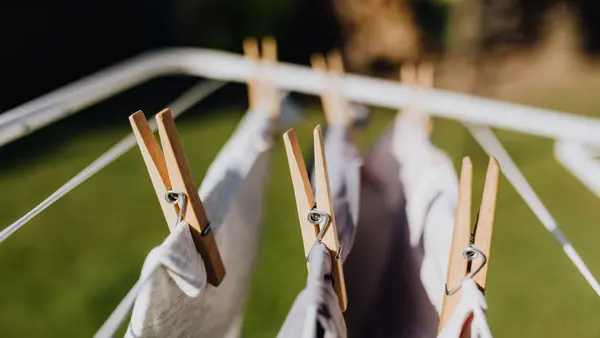
Wet coats, wet boots, wet dog, wet washing. If you buy one lovely thing this month, make it the thing that stops water spreading through the house: a mat that actually holds water, a shallow tray or boot box, a hook or rail that isn't the radiator.
Then think about air. Damp air makes everything feel colder and takes far longer to dry. Ten minutes with a window open — yes, even in the rain — does more than most gadgets. If a room still feels muggy, a small extractor or a dehumidifier earns its keep, but only after you've stopped blocking vents and stacking wet things against cold walls.
Warmth you don't have to pay for twice
A throw is the classic wet-weekend purchase and the classic disappointment. Two things decide whether you'll still use it next winter: size and what it's made of. Check the measurements rather than the photo. If it can't cover your shoulders and your feet at once, it's a decorative item, not a warm one.
Read the care label too. Anything that can't be washed will smell of damp wool by February, and anything that pills badly after a couple of washes will look tired long before it wears out. Wool, cotton and good fleece all behave differently — pick for how you'll clean it, not just how it feels on the page.
Small things matter here: slipper socks with grips on the sole, a hot water bottle with a proper cover, a second pair of thick socks kept by the door for wet days. None of it is exciting. All of it gets used.
Light and sound do more than you'd think
Overhead lighting is for finding things. On a grey afternoon, a lamp at roughly eye level changes the whole room. Warm white rather than cool white, one per place you sit, and a switch you can reach without getting up.
Candles are lovely and slightly overrated in small rooms — one is plenty, and never leave them burning with a cat about. If you like the flicker without the fuss, battery lights are a reasonable swap.
Sound is the other half of it. A radio, a playlist, a long podcast: the point is to give the day a shape. If you're buying a speaker, buy for the room you'll use it in rather than the loudest one you can afford. Small rooms and thin walls in flats punish big sound, and neighbours remember.
Food for a day that doesn't want a plan
Wet weekends are made for one-pot cooking: soup, a slow braise, bread if you're feeling ambitious. The equipment that helps is dull and durable — a big pot, a sharp knife, a board with room to work, containers that stack.
Be sceptical of single-purpose gadgets. If it makes one thing and takes up half a cupboard, it will be exciting for a fortnight. Storage matters more than novelty: stackable containers, freezer bags, labels, and a shelf you can see into.
Keep a small wet-day shelf: stock cubes, tinned tomatoes, dried pasta, one decent tin of something good. It costs little to hold and saves a soaking trip out when the rain sets in properly.
Things to do that aren't screens
This is where most rainy-day shopping goes wrong, because it's easy to buy the idea of a hobby rather than the hobby itself. Three questions before you order:
- How many people will realistically play or use it?
- How much table or floor space does it need once it's set up?
- Will it still be interesting in three weeks?
With jigsaws, the piece count matters less than the table you own — measure first. With board games, check the player count range and how long a game actually takes, because a two-hour rules-heavy game is a poor fit for a wet Sunday with children about. Craft kits are worth it only if you'll finish them; a small project you complete beats a big one you abandon.
Books and second-hand puzzles are the quiet winners. Both travel well, both can be passed on, and both are easy to find in good condition if you read the description carefully and look at every photo rather than the first one.
What's usually not worth it
Some categories sound perfect for a rainy weekend and rarely deliver: giant inflatable furniture, novelty kitchen appliances, scented everything, another blanket in a colour you don't love, and anything that needs a space you don't have. If you can't say where it will live when it's not in use, that's your answer.
Judge it before it becomes permanent
When something arrives, open it the same day and use it in the room it's meant for. Keep the packaging until you're sure. Check the care label, look for spare parts or replacement covers, and ask yourself whether it's built to be cleaned — a wet-weather house is a cleaning-heavy house.
If it's wrong — too small, too scratchy, too fiddly — send it back. Check the returns window before you order rather than after, and read the condition rules for anything you've already opened. A rainy weekend is a good time to deal with returns, because you're in anyway and the parcel isn't sitting in the hall for a week.
Store the kit so it gets used
The best rainy-day kit is small enough to see. One basket for throws and socks, one shelf for games and puzzles, one cupboard for the cooking kit. If it doesn't fit, something leaves. Rotate with the seasons: hot water bottles and heavy throws in autumn and winter, lighter things in summer.
Buy slowly, and it lasts
The trick isn't buying more for wet weather. It's buying a handful of things that do their job for years, then letting the rest of the list wait. Add one item a season, judge it properly in the room it lives in, and keep only what you reach for.
By the time the next grey Saturday arrives, you'll have a home that handles it without a single extra order — which is, quietly, the best result a rainy weekend can offer.