How to Buy a Fire Pit Online in the UK: Small Gardens, Smoke and Storage
A fire pit can turn a small British garden into the best room in the house — provided you buy for the space you actually have. Here's what to check before you order online.

5 min read
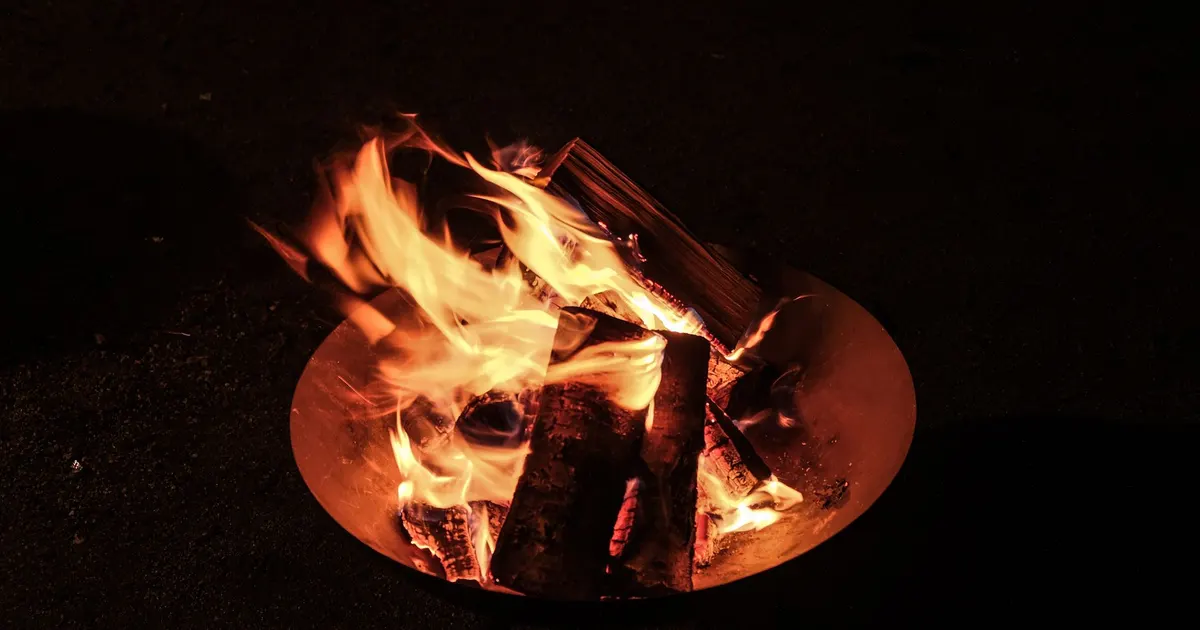
Photo: Mara Diezinger / Pexels
Start With the Space, Not the Photo
Fire pit listings are always photographed at dusk, in a big garden, with a glass of something just out of shot. Your garden is probably smaller, overlooked and a bit damp. That's fine — it just changes what you should buy.
Measure before you browse. You want roughly a metre of clear space around the pit, away from fences, hedges, sheds, washing lines and anything with a plastic cover. If you're on a balcony, stop and check first: most leases and flat management rules ban open flames and solid fuel, and some ban gas and bioethanol too. A rented garden usually needs the landlord's nod as well.
Think about the surface. On grass, a fire pit scorches the turf underneath and leaves a bald patch well into spring. On paving, sustained heat can mark softer stone. A single paving slab or a stand solves both, and it's cheaper than replacing turf.
The Main Types and What They Suit
Steel bowls
The most common option, and the easiest to get wrong. Look for thicker steel and a proper powder coating; thin pressed metal warps and rusts within a season or two. Check whether there's a drainage hole, because water pooling in the bowl rusts it from the inside out. Bolted legs are easier to store than welded ones.
Cast iron
Heavy, brilliant at holding heat, and it will outlast most gardens. It also rusts happily if left out, needs two people to move, and prefers a permanent spot. Buy one if you have a shed and a strong back.
Chimineas
They draw smoke upwards and away, which suits small terraces where you sit close to the fire. Clay versions can crack if they get wet while hot; cast iron and steel are more forgiving. They want a stable base and don't enjoy being shifted about.
Smokeless, gas and bioethanol
If you're in a Smoke Control Area — and plenty of UK towns and cities are — you can only burn authorised smokeless fuels or use an exempt appliance. Gas and bioethanol models sidestep the wood smoke question but bring their own storage and safety considerations. A quick look at your council's website before you order saves a lot of awkwardness later.
Smoke, Neighbours and the Weather
British gardens sit close together, and smoke drifts. Position the pit so the prevailing wind carries smoke away from next door's windows and their drying washing. Seasoned, kiln-dried wood produces far less smoke than damp logs. Never burn treated timber, painted offcuts or unknown pallet wood — the fumes are genuinely unpleasant.
Still, damp evenings are the worst combination, because smoke just hangs at head height. Check the wind before you light, not after. And if a neighbour mentions it, take it seriously; a quiet word beats a complaint.
Size, Weight and Getting It Home
The listings that look best online are often the biggest. A wide bowl is a lot of fire for a courtyard. For two or three people, a smaller, deeper bowl works better than a broad shallow one — you get a proper bed of embers rather than a thin ring of flame.
Weight matters more than most buyers expect. Cast iron and thick steel models are seriously heavy, and bulky ones usually arrive on a pallet, so think about where a lorry can stop and whether the box will fit through a side gate. Check whether the legs detach, whether there are handles, and whether a cover comes with it. You will want a cover.
What to Check in the Listing
- The material and its thickness, not just the word "metal"
- Whether a spark screen, grill or poker is included
- Drainage — does rainwater pool in the bowl?
- Assembly: how many parts, and what tools you'll need
- The intended fuel: wood, charcoal, gas or bioethanol
- What happens if it arrives damaged or isn't what was pictured
Read the recent reviews rather than the overall star rating. Look for mentions of rust, warping and wobble after a season or two, and trust buyer photos over studio shots.
Fuel, Tools and the Small Extras
You don't need much, but the right bits make the difference:
- Kiln-dried logs and natural firelighters
- A long-handled poker and heat-proof gloves
- A metal ash bucket with a lid
- A waterproof cover that actually fits
- A base: paving slab, stone paver or a stand
- A bucket of water or sand within reach
Store logs dry and off the ground. Damp wood is the single biggest cause of a disappointing, smoky fire, and it's the one thing no amount of clever design can fix.
Making an Evening of It
Half the pleasure is the setup. Two folding chairs, a wool blanket each and a lantern or two will do more for the evening than a fancier fire pit. Keep the fire small and feed it little and often: it burns cleaner, throws more heat and is far easier to manage.
Marshmallows work. So does a foil parcel of vegetables or a baked apple. Don't cook over flames — wait for the embers to settle and glow.
When you're done, let the fire burn down rather than dousing it with water, which creates clouds of steam and can crack metal. Spread the ash, make sure it's completely cold before it goes anywhere near a bin, and only put the cover on once everything has cooled.
A Simple Checklist Before You Pay
- Measured the space, including clearance from fences and overhangs
- Checked your lease, tenancy or council rules
- Chosen a fuel type that suits your area
- Confirmed the weight and how it will be delivered
- Sorted a cover, a base and somewhere to store it over winter
- Read recent reviews for rust, wobble and warping
Buy for the garden you actually have, not the one in the photograph, and a fire pit becomes one of those things you use far more than you expected — from the first warm spring evening right through to the cold, clear nights of autumn.