How to Buy a Greenhouse Online in the UK: Frames, Glazing and Siting
A greenhouse is one of the few garden buys that genuinely changes what you can grow. Here's how to choose a frame, glazing and spot that will still be standing after a British winter.

5 min read
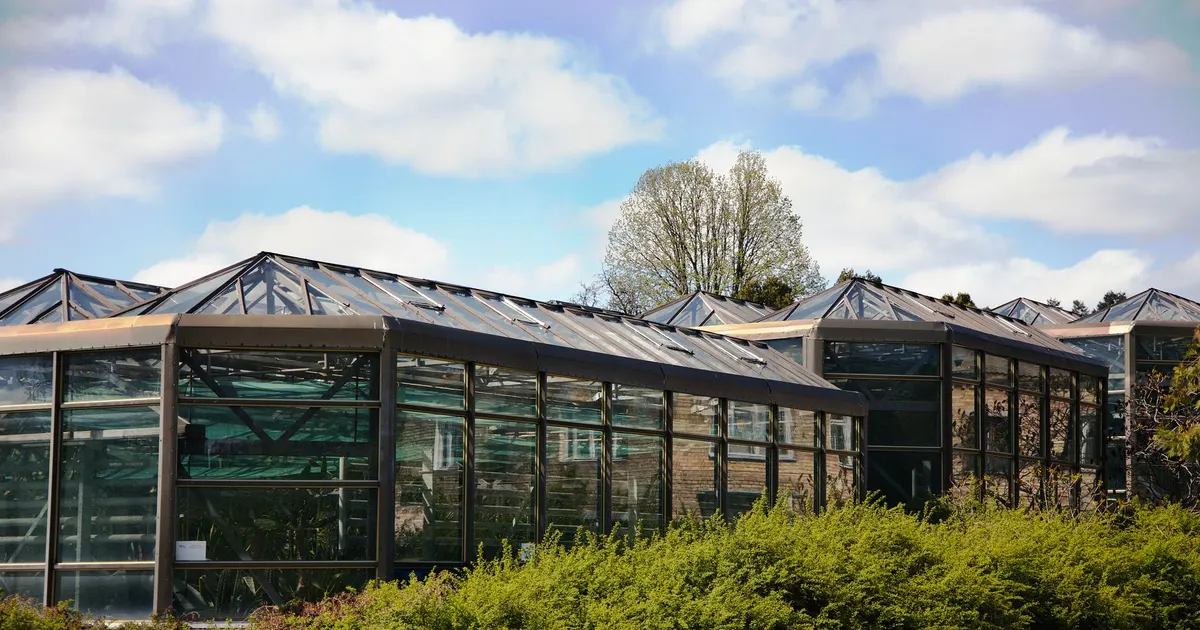
Photo: Vladyslav Dukhin / Pexels
A greenhouse is one of the few garden purchases that genuinely changes what you can grow. It also has to survive wind, rain, frost and the odd heatwave, so it's worth thinking beyond the photo on the listing.
Start with what you want to grow
The plants decide the size, the height and how much ventilation you'll need. Work backwards from there.
Salad, herbs and seedlings
A small house with a couple of shelves will do. You're mainly after frost protection and a bit of warmth in early spring. Height matters less than light, so avoid anything shaded by a fence or hedge.
Tomatoes, chillies and cucumbers
These are the reason most people buy one. Cordon tomatoes and cucumbers want height — look at the eaves height and ridge height, not just the footprint. A house that's generous at the ridge but cramped at the eaves will frustrate you by July.
Overwintering and tender plants
If you're keeping citrus, olives or pelargoniums going through the winter, insulation and draught-proofing matter more than size. Twin-wall glazing and a snug fit around the door will do more for you than a heater.
Frames: aluminium, timber or plastic
Aluminium
Light, rot-proof and low maintenance. The trade-off is condensation, which drips onto leaves, and a slightly clinical look. Cheaper frames can feel flimsy, so check the thickness of the sections rather than trusting the photo.
Timber
Warmer inside, kinder on the eye and easy to fix things to. It needs treating every couple of years, and the base of the frame is where rot starts. If you go timber, budget for a proper base that keeps the wood clear of soil.
Plastic and resin
Usually the cheapest route and very light, which is exactly the problem — light houses move in gusts. They also degrade in UV over time. Fine for a sheltered spot and a few seasons; less so for an exposed garden.
Glazing: glass or twin-wall polycarbonate
Horticultural glass gives the clearest light and looks best, but it breaks. Toughened glass costs more and is worth it if children, footballs or pets are nearby. Either way, order a spare pane or two at the same time — matching an odd size later is a nuisance.
Twin-wall polycarbonate is lighter, safer and holds warmth better. It diffuses light, which suits seedlings, but it yellows with age and cuts light transmission over the years. It's also light enough that the whole structure catches more wind, so anchoring becomes non-negotiable.
Whatever you choose, count the vents. Roof vents, louvre windows and an automatic opener are the difference between a healthy crop and a summer of damping off and botrytis.
Siting: light, shelter and level ground
A greenhouse wants sun from late morning onwards. In the UK that usually means a south-facing or south-east position, with the ridge running east to west if you can manage it — that gives the longest even light across the day.
Avoid the tempting spot under a big tree. You'll get dripping, sap, shade and falling branches, plus a colony of slugs. Also avoid the bottom of a slope where cold air pools; frost pockets are real and they'll shorten your season at both ends.
Shelter from prevailing wind matters as much as sun. A hedge, fence or shed upwind will add years to the life of the frame. Just don't block the light doing it.
Bases and anchoring
This is where most online greenhouse purchases go wrong. A frame is a sail, and an unanchored one will lift.
- Slabs or a concrete pad give the most solid footing, but need to be dead level.
- A metal base plinth is often sold separately and is worth having — it lifts the frame clear of wet ground and gives you something to bolt into.
- Ground anchors or stakes are essential on soil or grass, and worth adding even on paving in exposed spots.
Check whether a base is included before you order. It's a common surprise.
Ventilation, water and power
Ventilation is the single biggest factor in whether your greenhouse is a success. Aim for roof vents plus a louvre, and consider an automatic opener so it works while you're at work.
Water is the next practical hurdle. A water butt plumbed to a downpipe nearby saves a lot of carrying, and a simple drip line on a timer makes summer holidays possible.
If you're thinking about power for a heater or grow lights, that means an outdoor socket installed properly by an electrician, with the right protection. Running a heater through winter is a genuine running cost, so insulate first and heat second.
What to check in the listing before you buy
- Full dimensions, including eaves height as well as ridge height
- Footprint and door swing — measure the space, then measure it again
- Glazing type and thickness
- Number of vents and whether openers are included
- Whether a base, staging or shelving is part of the price
- Assembly time and how many people it needs
- Weight of the largest panel — glass arrives heavy
- Availability of replacement glazing and spare clips
- Whether it's a greenhouse or a smaller cold frame
Assembly day
Build on a calm day. Panels act like kites in a breeze, and glass is unforgiving. Two people minimum, three if it's a larger house.
Have ready: a cordless driver, a spirit level, glazing clips, silicone sealant, gloves, and a safe place to stack panes. Assemble the base first, check it for level, then work up. Don't fully tighten fixings until the frame is square.
Living with it through the year
Spring
Start seedlings, then harden them off properly before planting out. Open vents on warm days even in March — a closed house can hit surprising temperatures by mid-morning.
Summer
Shade the glass, water early and late, and keep vents open. Damp down the floor on hot days to raise humidity.
Autumn and winter
Clear fallen leaves, wash the glass inside and out to let in winter light, and check fixings after every named storm. Bubble wrap on the inside walls helps tender plants through cold snaps. Empty pots and trays so slugs and vine weevil have nowhere to hide.
The short checklist
Decide what you're growing, then buy the height and ventilation to match. Choose the frame for your garden's exposure, not just its looks. Anchor it properly. Check what's included before you pay. And measure the door swing — twice.