Making the Most of a Shady UK Garden: Plants, Pots and Places to Sit
A shaded British garden isn't a problem to fix — it's a different set of rules. Here's how to read your light, sort the damp, and choose plants that actually thrive.

5 min read
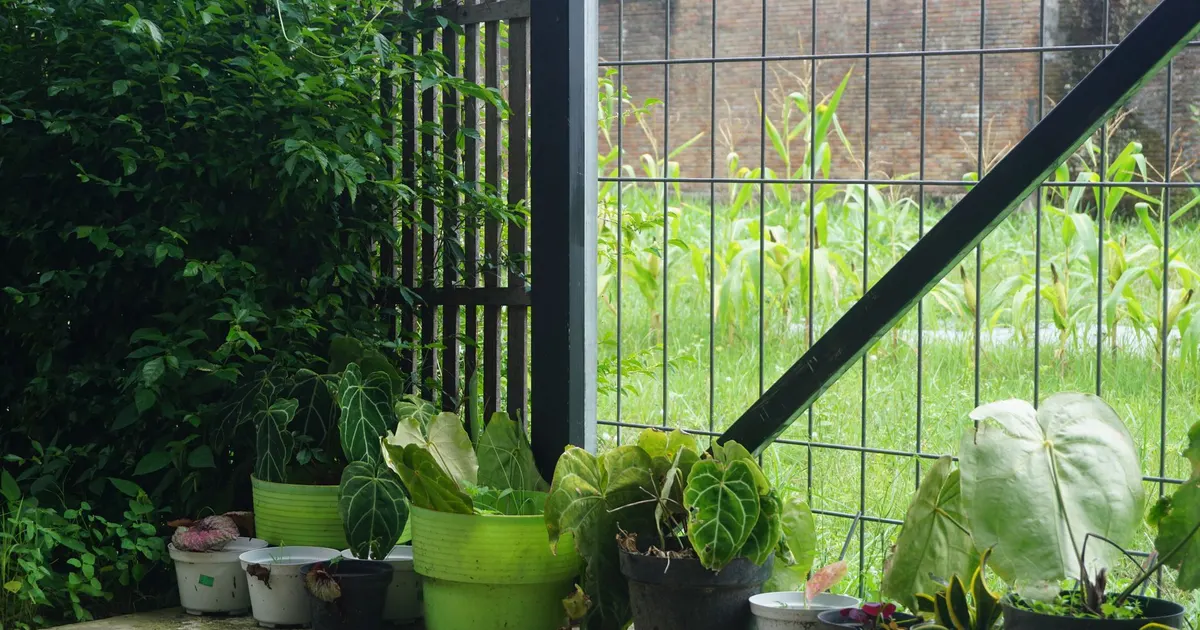
Photo: Irfan halim / Pexels
A north-facing garden in Britain gets less sun than you'd like, more rain than you'd choose, and a slug population that treats the whole plot as an all-you-can-eat buffet. None of that means you can't have a space you actually want to sit in. It just means you stop fighting the conditions and start working with them.
Start by Reading the Light, Not the Label
"Shade" covers a lot of ground. The shady strip at the bottom of a long garden, which catches a couple of hours of sun in June, is a completely different place from the border beside a north wall that never sees direct sun at all.
Track it properly
Spend one weekend day watching where the sun lands and mark the edges with canes. Then do it again in September, because the arc changes more than most people expect. What looks like a sunny corner in May can be in deep gloom by August.
Work out whether it's dry shade or damp shade
This is the bit that decides everything else.
- Dry shade means under a mature tree or a thick hedge, where roots drink every drop before it reaches your plants.
- Damp shade means heavy clay, poor drainage, moss on the patio and algae on the path.
The plants that thrive in each are not the same, and mixing them up is the single most common reason shady borders fail.
Sort the Bones Before You Buy a Single Plant
Surfaces, drainage and storage first. Plants second. It's less fun but it saves a fortune in replacements.
- Paths. Green algae on paving is a winter fixture in a damp garden. A stiff brush helps, and gravel or bark gives you a softer, less slippery surface that suits shade better than glossy slabs.
- Drainage. If water sits for days after rain, a raised bed or a simple land drain solves more problems than any amount of compost. Waterlogged roots kill more plants than darkness does.
- Pots. Terracotta looks lovely and cracks in a hard frost. Frost-proof glazed containers are worth the extra thought, and bigger pots hold moisture better and don't blow over in a gale.
- Storage. A small waterproof box for tools, gloves and a bag of grit saves a lot of trudging through wet grass.
Plants That Genuinely Cope
For damp shade
Ferns, hostas, brunnera, astilbe, rodgersia, ligularia and hardy geraniums such as Geranium phaeum and Geranium macrorrhizum. Wild garlic works if you want something edible and vigorous. Japanese anemones give you late colour when everything else has given up.
For dry shade
Epimedium, hellebores, wood anemone, cyclamen, ivy and lamium. Most ferns will settle in under trees once established, provided you add organic matter at planting and water them through the first couple of summers.
For a bit of brightness
Variegated and gold-leaved plants lift a dark corner — golden marjoram, variegated brunnera, golden hakonechloa. Pale flowers in white, cream and soft yellow read far better in low light than deep reds and purples, which simply vanish into the gloom.
Bulbs do the heavy lifting
Snowdrops, winter aconites, daffodils and cyclamen all flower before the tree canopy closes overhead. Plant them in generous drifts rather than a tidy row, and let them naturalise.
Make the Seating Work
Aim for the spot that's sheltered from wind and catches whatever sun you get, usually late afternoon in summer. A corner against a wall or fence is ideal.
- Wind is the killer, more than cold. A fence panel, a trellis with a climber or a low hedge slows it right down.
- Pale paint on walls and fences bounces light around. A mirror on a boundary wall is a cliché, but it works.
- Lighting. A few solar lights and a candle are plenty. You don't need a scheme.
- Cushions. Store them indoors or in a waterproof box. Damp cushions in March are genuinely miserable.
- Wet ground. If the lawn squelches, a small deck or paved pad is worth the effort.
Slugs, Snails and the Rest
Shade plus damp equals slugs. What actually helps:
- Water in the morning rather than the evening.
- Encourage frogs, hedgehogs and birds. A small wildlife pond is the best slug control going.
- Copper tape, wool pellets and nematodes all have their fans. Results vary, and none are magic.
- Choose thicker or hairy leaves if you're losing the battle.
- Beer traps work, but they need emptying, and they smell.
Moss in a shaded lawn is normal. Either embrace it or rake it out and accept it'll return. Don't spend money trying to force a bowling green in deep shade.
Buying Plants and Kit Online Without Regret
Ordering plants by post is perfectly sensible if you're careful.
- Check the hardiness rating, not just the photograph. British labels usually run from fully hardy down to tender, and an exposed northern garden needs the hardy end of the scale.
- Bare-root or potted? Bare-root plants travel well and establish strongly when planted in the dormant season. Potted plants are more forgiving if you're planting in summer.
- Read the pot size. Words like "garden-ready" mean very little on their own.
- Know what happens if a plant arrives damaged. Most sellers have a process, and photos taken on the day help your case.
- Measure the gap before ordering furniture. A bench that doesn't fit is a very annoying parcel to send back.
- Don't buy bulbs and seeds in a panic at the end of the season. They sit about losing viability.
A Year in a Shady Garden
- Late winter: snowdrops and hellebores, cut back last year's growth, mulch.
- Spring: the big push. Plant, divide, feed, and enjoy it while the canopy is still open.
- Early summer: the moment of truth. Fill gaps with ferns and foliage.
- Late summer: Japanese anemones, hydrangeas, astilbe.
- Autumn: plant bulbs and bare-root shrubs, tidy up, leave seedheads for the birds.
- Winter: structure, evergreens, and a good look at where you actually need more light.
The Verdict
A shady British garden rewards patience and punishes optimism about sun-loving plants. Get the drainage and the seating right, lean on foliage and early bulbs, and stop apologising for the lack of sunshine. Come a hot July afternoon, yours will be the coolest spot in the house — which, in this country, is a genuine selling point.