How to Buy a Bird Feeder or Bird Bath Online in the UK: Rain, Squirrels and Cleaning
A practical guide to choosing feeders and baths that survive British weather, squirrels and the weekly wash. Start with the cleaning routine, then work backwards to the feeder.

6 min read
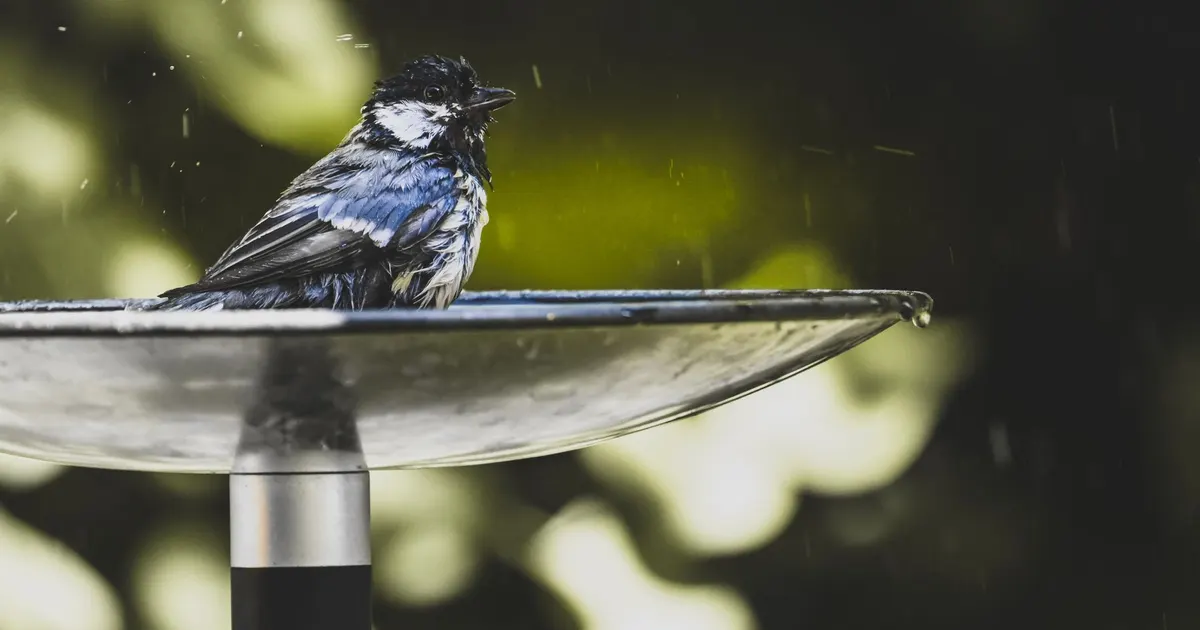
Photo: Alexas Fotos / Pexels
A bird feeder looks like a simple buy until you picture it in a British garden in February: wet seed, a squirrel doing gymnastics, and a plastic joint that has gone brittle in the frost. This guide is about buying kit that suits a small UK garden, balcony or window ledge — and that you will actually clean. It is not about turning your patch into a nature reserve. It is about one feeder and one bath that earn their place.
Start with the cleaning routine, not the feeder
Feeders get dirty. Seed goes mouldy, droppings build up, and a feeder that is awkward to take apart becomes a problem you ignore. That is the wrong way round. Before you look at shape or colour, look at how you will empty and scrub it.
What easy-to-clean actually means
- It comes apart without tools, or with one simple clip.
- The seed tray lifts out and has no narrow neck or hidden corner.
- It has drainage holes so rain does not sit in the seed.
- The feeding ports are wide enough to reach with a small brush.
- It has no rough welds or sharp edges that catch a sponge.
A feeder that needs a screwdriver and a prayer is not going to be cleaned. A simple tube or tray feeder that opens in seconds will be. If the listing shows only a pretty angle from the front, look for a photo of the feeder open or in parts. If there is no such photo, that tells you something.
Bird bath basics
Bird baths are not just ornaments. Birds need shallow water for drinking and bathing, and the bath needs to be emptied and scrubbed often. A depth of roughly two to five centimetres is sensible for most garden birds. A rough interior helps grip; a smooth, deep bowl is harder for birds to use and harder for you to keep clean. A bath you can tip out and scrub in a minute beats a decorative one you avoid.
Rain, damp and British winters
British weather is not a background detail. It is the main test. Seed feeders that hold water turn into a mouldy clump. Wood can swell or split. Thin plastic can go brittle after a frost. Metal parts can rust if the finish is poor. None of this is visible in a studio photo.
Materials that cope with wet and frost
Powder-coated metal is generally more durable than thin painted metal. Good-quality plastic is fine if it is thick enough and has drainage. Wood can work, but only if it is properly finished and the feeder can still be cleaned. Avoid anything with a deep, open tray and no drainage. Avoid decorative roofs that look charming but trap damp. A simple, sloped roof or a feeder that hangs under cover is more useful than a miniature cottage.
Placement for wet weather
Hang feeders where they get some air but not the full force of wind and rain. Near a shed or a wall can help, but not so close that cats can hide. Keep the feeder away from a dripping gutter. If you use a pole, check that the feeder sits clear of the ground so splashes do not muck it up. In winter, bring feeders in or empty them before a hard frost if they are likely to freeze solid. A bird bath needs checking daily in cold snaps; ice is not useful.
Squirrels, cats and other local critics
Squirrels treat a feeder as a puzzle box with a free lunch. If you have them, a standard hanging feeder will be emptied and possibly removed. A baffle or a cage around the feeder can help, but it needs to be fitted properly and kept clear of fences, branches and walls. A feeder placed within jumping distance of a fence is a squirrel buffet. Cats are the other local critic. Birds need cover nearby, but not a dense ambush point right beside the feeder. An open spot with a shrub a short flight away is usually better than a feeder buried in a bush.
Window feeders and small spaces
Window feeders are useful for flats and rented homes where drilling is not an option. They also put birds close to glass, so use bird-safe window markers or decals if birds hit the glass. Check that the mount is secure and that you can reach the feeder to clean it. A window feeder that is hard to remove will not be cleaned. If you have a balcony, a clamp-on bracket or a hanging hook can work, but check what your building allows and make sure it is secure in wind.
Seed, fat and mess: what to put out
Feed choice affects the feeder design. Sunflower hearts are popular and leave less mess than mixed seed. Nyjer needs a fine-mesh feeder. Fat balls are useful in cold weather, but avoid those sold in plastic nets; the net can trap birds and becomes litter. Peanuts should be unsalted and, in spring and summer, use peanut granules rather than whole peanuts to reduce the risk to chicks. A feeder that matches the food you will actually buy is more useful than a multi-purpose feeder that does everything badly.
Mess, rats and storage
Spilled seed attracts rodents. A tray or seed catcher can help, but it also needs cleaning. Do not overfill; put out less and top up more often. Store seed in a metal bin with a lid, not a paper sack in the shed. If you see rats or mice regularly, move the feeder away from the house and clear up spillage. A tidy feeder is a healthier feeder.
What to check before you click buy
Use the listing like a checklist, not a mood board.
- Dimensions in centimetres, including the full hanging height.
- Material and finish, including any exposed metal parts.
- Drainage holes and whether the seed tray lifts out.
- How it opens for cleaning, and whether a brush is needed.
- What fixings are included, and whether you need a pole or bracket.
- Whether the bath has a rough interior and a sensible depth.
- Whether spare parts are available, such as a replacement hanger or tray.
- Whether the feeder is sold empty or with seed, and what kind.
If the listing is vague about cleaning or drainage, assume the worst. A feeder that arrives with no instructions for taking it apart is a warning sign. If you are buying for a gift, choose a simple design over a novelty one. The novelty feeder is more likely to end up as shed clutter.
A sensible small-garden setup
For most UK small gardens, a practical setup is one hanging feeder for sunflower hearts, one fat-ball feeder without a net, and one shallow bird bath. Put the feeder where you can see it from a window but can also reach it in the rain. Put the bath slightly away from the feeder so seed does not fall into the water. Clean the feeder often and the bath daily in warm weather. Move things if cats or squirrels win. The aim is not a perfect wildlife garden; it is a routine you can keep.
Verdict
Buy for the cleaning routine and the weather. Choose a feeder that comes apart easily, drains well and suits the food you will actually use. Choose a bath that is shallow, rough inside and easy to tip out. Add a baffle if squirrels are a problem, and skip fat balls in nets. The feeder you scrub is worth more than the feeder that looks good in a photo.