How to Buy Coffee Beans Online in the UK: Roast Dates, Grind and Storage
Supermarket bags rarely tell you when the beans were roasted, but a roaster's listing will. Here's how to buy coffee online in the UK without ending up with stale, disappointing bags.

6 min read
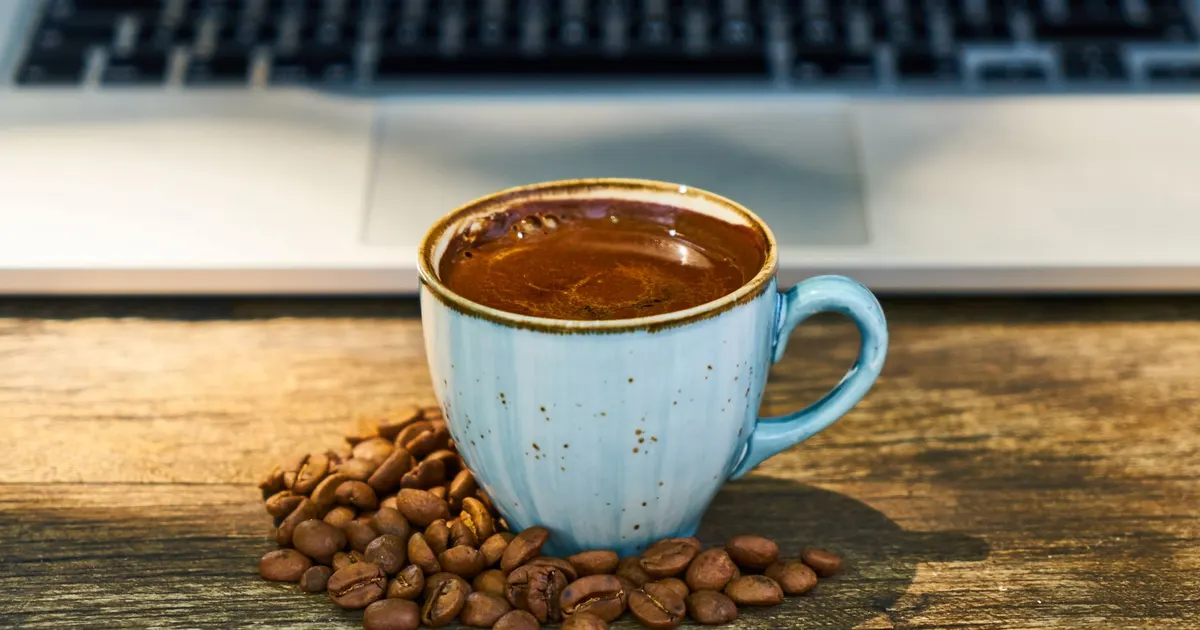
Photo: Engin Akyurt / Pexels
Coffee is one of the few groceries where buying online genuinely beats the supermarket. Bags on a shelf usually carry a best-before date rather than a roast date, which tells you almost nothing about how fresh the beans actually are. Ordering from a roaster gets you much closer to the point the beans came out of the drum, and that is the single biggest factor in how the coffee tastes in your kitchen.
Here's how to shop for beans online without wasting money on bags you'll never finish.
Why the roast date matters more than anything else
Coffee is a fresh product. Once roasted, beans begin losing the aromatics that make them interesting — slowly at first, then much faster once the bag is open.
What you want on the listing:
- A roast date, not just a best-before date
- A one-way degassing valve on the bag
- A note on whether the coffee is rested and ready, or still too fresh to brew well
Beans roasted very recently can taste flat or bready, because they are still releasing carbon dioxide. Most coffee is at its best somewhere in the weeks after roasting: long enough to settle, not so long that it's fading. If a listing gives you no roast date at all, treat that as a warning sign rather than a quirk.
Whole bean or ground?
Buy whole bean if you own a grinder. It isn't snobbery — pre-ground coffee loses aroma far faster because so much more surface area is exposed to air. If you don't have a grinder yet, a decent burr grinder is the best money you'll spend on home coffee, and it makes buying beans online far more worthwhile.
Matching the grind to your kit
Getting this wrong ruins otherwise good coffee. Most roasters let you choose a grind at checkout, so match it to your brewer:
- Cafetière: coarse, like sea salt
- Filter and pour-over: medium, like granulated sugar
- Aeropress: medium-fine, adjusted to your steep time
- Moka pot: fine, but not espresso-fine
- Espresso machine: fine, and best dialled in yourself — order whole bean
If you're torn between two grind settings, order whole bean and grind at home. Pre-ground is a compromise; only accept it if you've no grinder and no plans to get one.
Reading a coffee listing without getting swept up
Roaster websites are written to sell. Some of it is genuinely useful, some is decoration.
What's worth paying attention to
- Origin and region. Country level is a starting point; region and washing station tell you more.
- Process. Washed coffees tend to be cleaner and more consistent. Natural and honey processes are fruitier and sweeter, but more variable.
- Roast level. Light roasts are brighter and more acidic; dark roasts are smokier and more bitter. If you take milk, a medium or medium-dark roast usually holds up better.
- Variety and altitude. Interesting, but secondary. They explain why a coffee tastes the way it does rather than what it will taste like in your cup.
What to ignore
Chocolate and caramel appear on nearly every bag of coffee ever sold, including ones that taste of very little. Tasting notes are a rough guide, not a promise. Be equally sceptical of the word artisan and of any listing that leads with packaging rather than the coffee itself.
Look instead for how recently it was roasted, whether the roaster describes the coffee plainly, and whether the listing tells you which brew method suits it.
Blends, single origins and decaf
Blends are built for consistency. They're often the better buy for milk drinks, batch brewing and everyday drinking, because the roaster can adjust the recipe as crops change.
Single origins are more interesting but more variable. Buy them if you enjoy tasting differences between regions and don't mind the occasional bag that isn't to your taste.
Decaf has improved enormously. Look for beans decaffeinated by water or carbon dioxide processes rather than solvent-based methods, as they tend to keep more flavour. Decaf also goes stale faster, so buy smaller amounts more often.
Storing coffee in a British kitchen
A damp, cool, changeable climate is not kind to coffee. The enemies are oxygen, moisture, heat and light — which rules out the two most popular spots in most UK kitchens.
- Not the fridge. Condensation on cold beans is the problem.
- Not a sunny windowsill or the shelf above the kettle. Steam and warmth do real damage.
- Not a fridge-freezer with a defrost cycle. Temperature swings are the issue.
What works: an airtight, opaque container kept in a cool cupboard, filled to minimise air, with bags sized so you'll finish them while they're still good. Keep the original bag if you can, since the one-way valve lets carbon dioxide out without letting oxygen in.
Should you freeze coffee?
Yes, if you do it properly. Freeze whole beans in a sealed bag, in a freezer without big temperature swings, and take out only what you need for the day. The mistake is freezing a bag, opening it repeatedly and letting it thaw and refreeze — that's worse than a cupboard.
Ordering through the year
British weather and British habits both shape when to buy. In a summer heatwave, beans can sit in a warm van on the way to you, so it's worth ordering smaller amounts and storing them promptly when they arrive. In the darker months, when coffee drinking goes up sharply, a larger bag makes sense — but only if you'll get through it before the flavour fades.
December is also peak gifting season, and coffee is a genuinely useful present. If you're buying for someone else, choose a medium roast and a familiar origin rather than something wildly experimental, and check whether the recipient has a grinder before choosing ground.
Subscriptions versus buying as you go
Coffee subscriptions are convenient, and a good roaster will let you pause, skip or change what's coming. They're also easy to over-order.
A sensible approach:
- Work out how much coffee you actually drink in a week.
- Start with a single bag and see how long it lasts.
- Choose a frequency that matches, and pick a roast you already know you like.
- Keep one dependable coffee in the cupboard and use the subscription to try the rest.
If you like variety, a rotating subscription beats buying several bags at once, because you're not opening everything in the same week.
A quick checklist before you check out
- Roast date shown, not just best before
- Whole bean unless you've no grinder
- Grind matched to your brewer if pre-ground
- Roast level suited to how you drink it, with or without milk
- A bag size you can finish while it's still fresh
- Decaf bought in smaller amounts
- Pause and skip options if it's a subscription
Get those right and buying coffee online stops being a gamble. The coffee itself matters far more than the story on the bag — buy fresh, store it well, and grind it just before you brew.