Shopping for Gluten-Free and Vegan Products Online: A Practical Guide
Specialty diets make online shopping harder than it needs to be. Here's how to read labels properly, spot cross-contamination risk, and tell whether a webstore is genuinely built for gluten-free and vegan shoppers.

6 min read
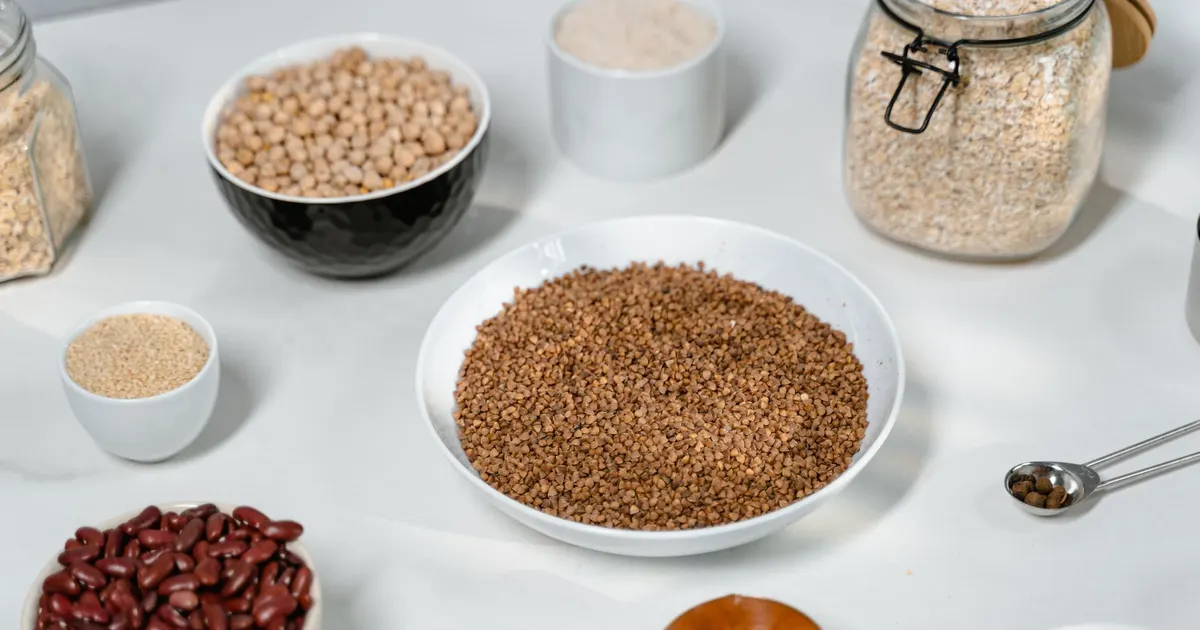
Photo: MART PRODUCTION / Pexels
What "Specialty" Actually Means Online
Shopping for gluten-free and vegan food online should be easier than shopping in a store. You can filter, compare, and read at your own pace. In practice, it often isn't. Product pages vary wildly in how much they tell you, and the words on the front of a packet don't always match what's in the small print.
This guide covers how to read labels properly, how to spot cross-contamination risk before you buy, and how to tell whether a webstore is genuinely useful for specialty diets or just selling the same few staples with a new badge on them.
Start With the Label, Not the Marketing
Front-of-pack claims are written by marketing teams. The ingredient list and allergen statement are written to comply with food law. When the two disagree, trust the second one.
A few habits worth building:
- Read the ingredient list first, then the allergen or "may contain" statement, then the claims.
- Check the order of ingredients. In most markets they're listed by weight, so anything near the top is present in meaningful amounts.
- Look for a full ingredient list, not a summary. If a store only shows a photo of the front of the pack, that's a problem.
Gluten-Free: Certified vs. Uncertified
"Gluten-free" is a regulated term in the UK, Ireland, and the US, but the rules aren't identical and enforcement varies. A product labelled gluten-free should meet a defined threshold for gluten content — but that doesn't tell you how the manufacturer verified it.
Third-party certification marks from recognised coeliac or gluten-free certification bodies usually mean the product and its production line have been audited. That's a stronger signal than a self-declared claim, particularly for oats, which are commonly contaminated unless specially handled.
If you have coeliac disease or a serious sensitivity, look for certification rather than relying on the phrase alone.
Ingredients That Hide Gluten
Gluten turns up in places you wouldn't expect:
- Soy sauce and many Asian cooking sauces, where wheat is a standard ingredient
- Malt vinegar, malt extract, and some flavourings
- Barley-based sweeteners and malted drinks
- Some stock cubes, gravies, and ready-made soups
- Certain spice blends and seasoning mixes
- Battered or coated products, including vegetable ones
Also watch for "wheat-free" — it is not the same as gluten-free. A product can be free of wheat and still contain barley, rye, or spelt.
Decoding Vegan Claims
Vegan vs. Plant-Based vs. Dairy-Free
These three terms are not interchangeable, and online listings mix them constantly.
- Vegan generally means no animal-derived ingredients and, ideally, no animal-derived processing aids. It's often a self-declared claim rather than a regulated one.
- Plant-based is a marketing term. It usually means mostly plants, but there's no fixed definition.
- Dairy-free only tells you about milk. A dairy-free product can still contain eggs, honey, gelatine, or shellac.
If you're shopping for a strict vegan diet, filter on "vegan" and then verify the ingredient list yourself.
Hidden Animal-Derived Ingredients
Common ones that slip through:
- Gelatine and collagen
- Shellac and beeswax, used on some sweets and fruit
- L-cysteine in some breads
- Rennet in cheese, which is animal-derived unless stated otherwise
- Carmine, also listed as cochineal, a red colouring
- Vitamin D3 from lanolin, and some omega-3 sources
None of these are always animal-derived, which is exactly why the label matters more than the badge.
Cross-Contamination: The Question Most Shoppers Forget
For gluten-free shoppers, cross-contamination is often a bigger risk than the recipe itself. A product made from gluten-free ingredients can still pick up gluten from shared mixers, conveyors, or flour dust in the air.
What to look for on a product page:
- A clear statement about whether the product is made on a dedicated line or in a shared facility.
- Whether the manufacturer tests finished products, and how often.
- A "may contain" statement that names the specific allergen rather than a vague warning.
A general "made in a facility that handles allergens" line is not useless, but it's weak. If the brand publishes its allergen controls, that's a much better sign.
For vegan shoppers, cross-contamination is usually less of a health issue and more about whether shared equipment matters to you personally. It's a preference question, not a safety one — decide where you stand and shop accordingly.
How to Judge a Webstore's Product Pages
Not every online store is built for specialty diets. Here's what separates a good one from a frustrating one.
What Good Product Pages Include
- The full ingredient list, in text rather than a photo
- A separate allergen section
- Storage and preparation notes
- A clear indication of whether the product is certified
- Enough detail to compare two similar products without opening a chat window
Red Flags
- Only front-of-pack photos
- Ingredient lists that are clearly outdated or copied from another product
- Allergy filters that don't match the actual product data
- No way to ask a specific ingredient question
If a store can't answer whether something is made on a shared line, assume the answer is yes and plan accordingly.
Filters, Search, and Sorting
Good filters save more time than good prices. When you're evaluating a store, test them before you commit to a big order:
- Search for a specific allergen exclusion and check the results actually exclude it.
- Combine filters — gluten-free and vegan — and see whether the results stay sensible.
- Sort by category, not just popularity, so you're not shown the same few bestsellers.
A store with weak filters isn't unusable, but you'll end up doing all the label-checking yourself.
Reviews and Community Signals
Reviews are useful, but read them for the right things. Look for comments about:
- Whether the product arrived in good condition
- Whether the taste and texture held up
- Whether the ingredient list matched what was advertised
- Whether the store handled a problem well
Ignore reviews that only discuss packaging or speed. For specialty diets, the useful information is almost always about ingredients, texture, and consistency between orders.
Bulk Buying and Subscriptions
Specialty staples are often better value in larger quantities, and subscriptions can be convenient — but only for things you actually get through. Before subscribing:
- Check the shelf life and how the product stores once opened.
- Make sure you can pause or change the order when your needs change.
- Don't subscribe to a new-to-you product until you've tried it once.
A subscription you forget about is just expensive cupboard clutter.
A Practical Shopping Checklist
Before you check out, run through this:
- Is the full ingredient list visible?
- Is there a separate allergen statement?
- Is the gluten-free or vegan claim certified, or self-declared?
- Is there any information about shared production lines?
- Do the store's filters actually work the way they claim?
- Have you checked the storage instructions?
- Is the quantity realistic for how fast you'll use it?
Final Thoughts
Shopping for gluten-free and vegan products online comes down to three things: reading the ingredient list rather than the marketing, asking about cross-contamination before you buy, and choosing stores that give you enough information to make the decision yourself. Get those right and the rest — filters, subscriptions, bulk orders — becomes a matter of convenience rather than guesswork.