How to Choose a Book Subscription for Your British Commute
A book subscription solves the wrong problem if you never get round to reading. Here's how to pick one that fits a British commute, a small flat and a real reading habit.

5 min read
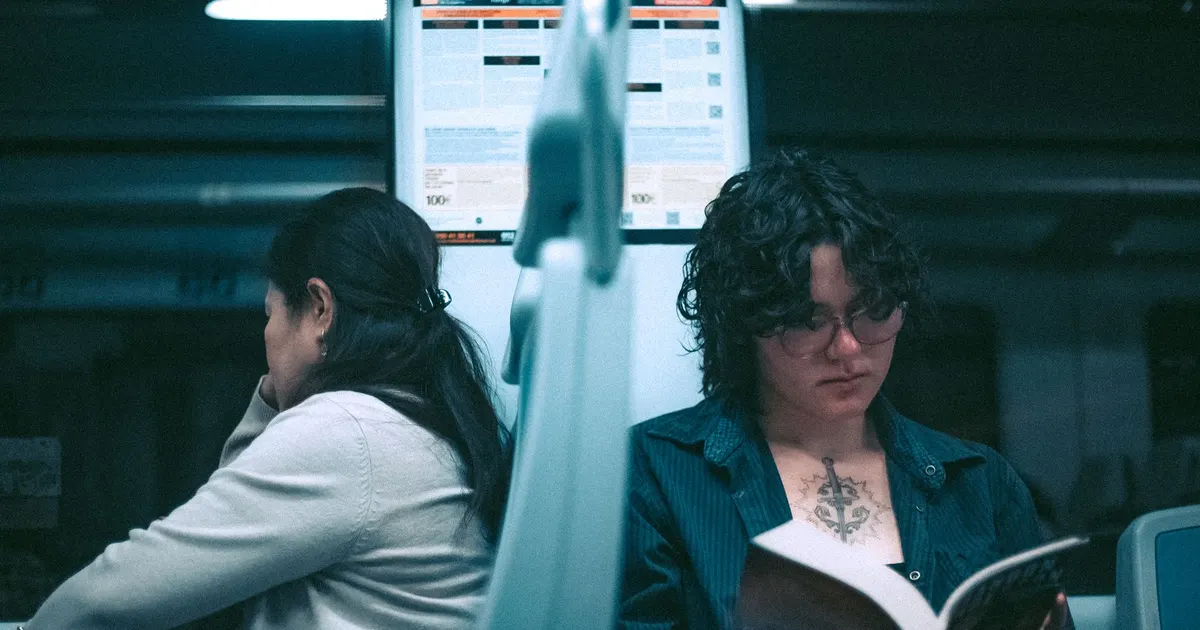
Photo: El gringo photo / Pexels
Why a book subscription suits the British commute
Somewhere between the 07:12 and a seat that faces backwards, plenty of us get through more reading than we manage at home. A commute is dead time with a book-shaped hole in it. You're warm, you're dry, and nobody expects you to answer an email.
The problem isn't the reading. It's the choosing. Standing in a bookshop at six in the evening with wet shoes and no idea what you fancy is a rotten way to pick your next novel.
That's the gap a book subscription fills. It takes the decision away and posts the decision to you. Whether that's a gift or a nuisance depends on a few things worth thinking through before you sign up.
What you're actually paying for
Be honest about this one. You are not paying for books more cheaply — you can nearly always find a cheaper copy somewhere. You're paying for curation, for a parcel turning up, and for somebody else to have taste on your behalf.
That's a fair trade if you like being surprised. It's a poor trade if you have a specific list of things you want to read and a subscription that ignores it.
Two questions worth answering before you part with anything:
- Do you want to be sent things you'd never have picked? Then a curated subscription works.
- Do you want the books you'd have picked anyway, just posted? Then you want a bookshop, not a subscription.
Match the format to the journey
Paperback
The commuter's default, and for good reason. Light enough for a bag, forgiving of a rucksack, survives being sat on. If you're on a bus that lurches or a train where you end up standing, paperback is the sensible choice.
Hardback
Lovely at home, miserable in a bag. Fine if you read on the sofa, or if you drive and the book lives in the passenger door. Less fine if you're carrying it around all day.
Audiobooks and ebooks
A digital subscription takes up no space and works in the dark, which matters from October onwards. The catch is the phone itself: tunnels, rural stretches, battery, and the fact that a device that pings will always beat a book. Some people also need the physical object — a shelf of finished books is a decent motivator.
Questions to ask before you sign up
- How many books do you get, and how often? One a month is a lot for a slow reader.
- Can you skip a month? Life happens, and a skipped month shouldn't feel like a failure.
- Can you pause rather than cancel? Useful for holidays and busy spells.
- Can you set preferences — genre, format, content you'd rather avoid?
- What happens if a book arrives damaged, or you already own it?
- Do you keep the books, or send them back? Some schemes lend rather than give.
- Is it a rolling subscription or a fixed run? Check before you pay, not after.
- How easy is it to change the address? Flatshares and house moves happen.
The three-book test
Before you commit to anything, try this. Take the three books you've been meaning to read for the past year and read them on your commute. If you can't get through three in a few weeks, the problem isn't supply. A subscription will simply build a pile next to the bed.
Building it around the British year
January
Dark mornings, dark evenings, and a genuine appetite for reading. A good month to start. Long books, blankets, no guilt.
Spring
Lighter evenings mean you read less on the way home and more in the garden. Something light, something you can put down when the sun finally appears.
Summer
Holiday reading, and the awkward month for subscriptions. If you're away, a parcel landing in an empty hallway is a waste. Pause it.
Autumn
The best reading months of the year. Dark by the time you get home, back into a routine, and a train seat that feels like a small private room. This is when a subscription earns its keep.
December
Gifts, and the annual problem of the book pile. A good month to give one — and a good month to work out whether the person you're giving it to wants a book or a parcel.
Where the books go afterwards
Shelf space is the real cost. A book a month is twelve a year, which is fine until it's five years of them.
- Charity shops will take them, though some are picky about what they can sell.
- Little free libraries and station book swaps work well if you travel the same route.
- Pass them on properly: a book you loved is a better gift than a book you tolerated.
- Keep a box by the door. When it's full, out it goes.
Pausing, swapping and cancelling well
Put a reminder in your phone for the week before the next payment. Subscriptions are easy to start and oddly emotional to stop. If you've stopped reading them, that's information, not failure.
If you can swap a title, do it early rather than letting it sit unread. If you can skip, skip. If you can't do either, and three have arrived unread, cancel. The books won't mind.
What a good one looks like
You'll know within a few months. Signs it's working:
- You've read at least two of the last three.
- You'd have picked one of them yourself, and you're glad you didn't have to.
- The picks arrive with a note explaining why, and you actually read it.
- You're not dreading the pile.
Signs it isn't: unopened parcels, a shelf you avoid, and a vague sense of being told off by a book. That's a cancel, not a resolution.
The verdict
A book subscription suits the reader who finishes a book on the train and immediately wants the next one, with no strong opinions about which. It suits them less well if they have a list, a shelf of unread books, or a commute that's mostly driving.
Start with the shortest commitment you can find. Read three on the way to work. Then decide whether you want somebody else choosing for you.