Indoor Plants in the UK: Why Light Decides More Than Water
Most houseplants in Britain do not die of thirst. They die in a dark corner, in compost that never dried out, while their owner blames the watering can.

11 min read
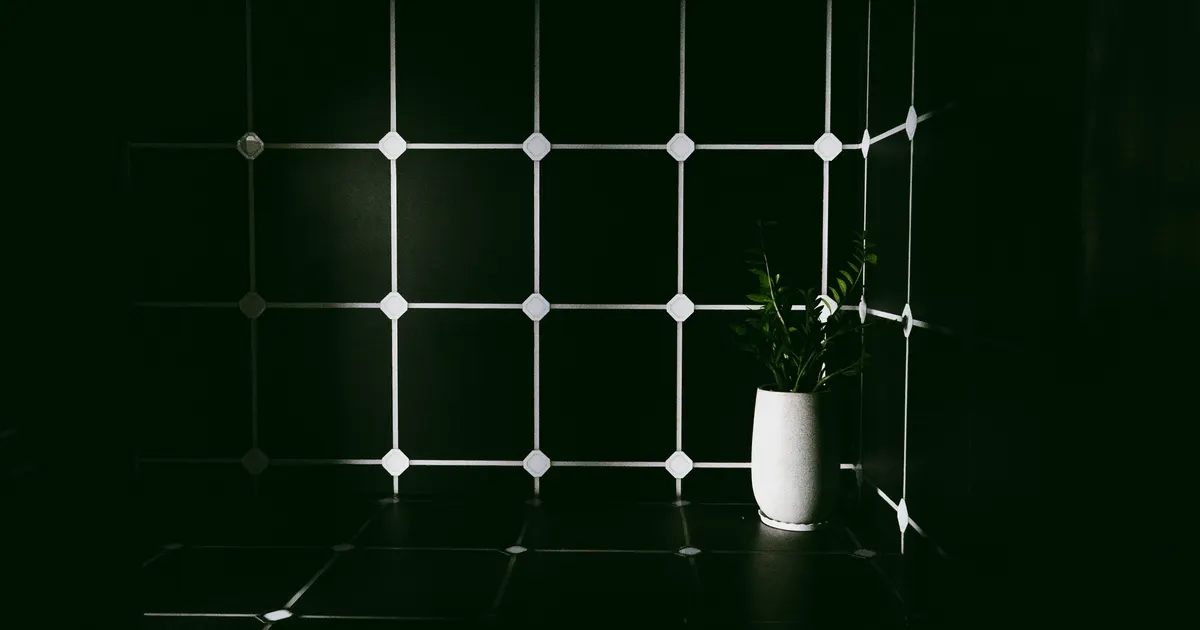
Photo: Phát Trương / Pexels
Why UK homes are secretly kind to indoor plants
It is the second week of January. The heating has been on since October, the sky has been the colour of a wet dishcloth for days, and the fern you bought in September is going crisp at the edges. You have watered it less. You have moved it twice. It is still sulking.
I have killed a lot of plants in a Manchester terrace, and I have learned one thing that changed everything: the water is almost never the problem. Light is. Nearly every sad houseplant I have been asked about was sitting somewhere too dark, in compost that never dried out, while its owner blamed themselves for being heavy-handed with the watering can.
So here is the argument this whole guide hangs on. Buy for the light you actually have, not the light you wish you had, and most of houseplant care stops being a mystery.
British homes suit houseplants better than we give them credit for. We have no air conditioning drying the air, our indoor temperatures sit in a comfortable band all year, and most of the plants sold here evolved on tropical forest floors where they spent their lives in shade, warmth and steady damp. That is roughly a British living room in November. The catch is the light, and specifically the light between October and March, when the sun barely clears the rooftops and a north-facing windowsill does its best impression of a cave.
The other catch is us. We buy plants the way we buy cushions: because they look good in the shop. Then we put them where the cushions would go.
Reading the light in a UK room without buying a gadget
You do not need a light meter. You need a midday, a hand and a bit of honesty.
Try this, with the room lights off:
- Hold your hand about thirty centimetres above the spot where the plant will live, between it and the window.
- Look at the shadow your hand casts on the surface below.
- A sharp, dark, clearly defined shadow means strong light. A soft grey blur means medium. No shadow at all means low light, and you should choose accordingly.
Do it in January and again in June. The answer will be different, and that tells you something useful about your room.
Which way does your window face?
South-facing windows give the most light and the most heat. In a British summer, strong sun through glass can scorch leaves that would be fine outdoors, so a little distance or a thin blind helps in July.
East-facing is the easiest to work with: gentle morning sun, cooler afternoons, and very few plants that object.
West-facing gets warm afternoon and evening sun. It is bright and can be fierce in a hot spell, but it suits most foliage plants.
North-facing gets no direct sun at all. This is not a death sentence. It is a limitation. Tough foliage plants do fine; flowering plants and anything variegated will sulk and lose its pattern.
The sun is high in June and low in December
This is the bit that catches people out. In a British summer, the sun sits high in the sky, so it barely reaches into the room at all. In winter it hangs low and shines deep into the room, but weakly, and for only a few hours.
The practical result: your north-facing windowsill can be at its most useful in March and October, when low sun slides in under the window head. Meanwhile, the plant that thrived on the same sill in spring can stall in midsummer because the light has moved, not because you did anything wrong.
Distance from the glass matters more than you think
Light falls away fast with distance. A plant on the windowsill and the same plant a couple of metres back, with bare floor between it and the window, are living in completely different rooms as far as the plant is concerned.
If there is a stretch of carpet between your plant and the nearest glass, assume it is in low light and buy for low light. Net curtains, blinds, window film and frosted bathroom glass all knock the light down further, and frosted glass in particular is far more of a filter than it looks.
Watering: the habit that kills more plants than neglect
If light is the quiet killer, water is the loud one. More houseplants drown than dry out, and the symptoms are almost identical, which is why so many people water a drowning plant and finish it off.
Why overwatering looks exactly like underwatering
A plant sitting in soggy compost cannot take up water properly, because its roots are suffocating and starting to rot. So the leaves droop, yellow and go crisp at the edges, exactly as they would if the plant were bone dry. The instinct is to reach for the watering can. Resist it. Push a finger into the compost first. If it is cold and wet, the answer is not more water.
The weight test beats every schedule
Forget watering on a set day of the week. Compost dries at different speeds depending on the pot, the room, the season and whether the radiator is on.
Lift the pot instead. A dry pot is startlingly light; a wet one has real weight to it. Once you have felt both, you will never need a schedule again. When you do water, water properly: soak it until it runs out of the drainage holes, then empty the saucer. Never let a plant stand in water for days. And if a pot has no drainage hole at all, use it as a cover pot with a smaller pot inside.
Winter changes everything. Growth slows, the compost stays wet for far longer, and a plant that needed water twice a week in June may need it twice a month in December. Cool rooms are the worst offenders: cold, wet compost is how roots rot.
Hard water, soft water and the kettle
If you live in London, the south east or much of the east of England, your tap water is hard, and you will see it as a pale crust on the compost surface and white spots on leaves. It is not fatal for most plants, but it is not kind either.
Rainwater is better, and if you have a water butt outside it is free. Leave a full watering can to stand overnight if you like, though that deals with chlorine rather than hardness. Wipe leaves with a damp cloth now and then so they can actually catch the light.
Humidity, misting and the truth about pebble trays
British air is damp, but our centrally heated winter rooms are not. That is why ferns and calatheas look wonderful in the shop in autumn and grim by February.
Misting is mostly theatre. It wets the leaf for a few minutes and then it is gone. Grouping plants together genuinely helps, because they all release moisture into the air around each other. A tray of pebbles with water sitting below the pot helps a little, as long as you keep topping it up and the pot is not sitting in the water. The bathroom and kitchen are naturally kinder, if the light is decent.
Feeding: March to September only
Feed during the growing season and stop in winter. Most houseplant food is far too strong if you use it neat, so dilute it and use it less often than the bottle suggests. Never feed a struggling plant: fertiliser is not medicine, and it will burn roots that are already unhappy.
Repotting, pruning and the free plants on your windowsill
When a plant actually needs a bigger pot
Roots pushing out of the drainage holes, water running straight through the pot, a pot that has started to bulge, or growth that has simply stopped. Any of those means it is time.
Do it in spring, when the plant has the light and warmth to recover. Go one size up rather than straight into a huge pot, because a small root ball in a big volume of wet compost is a recipe for rot. Loosen the roots gently, shake off what old compost you can, and plant at the same depth as before.
Terracotta dries out faster, which suits anyone who tends to overwater, and looks better with age. Plastic holds moisture, which suits ferns and anyone who forgets. Neither is wrong.
Pruning without fear
Take off dead and yellowing leaves at the base. Pinch out the growing tips of bushy plants to make them branch instead of stretching. If a plant has gone leggy and bare over winter, cut the stems back in spring. It feels brutal, and it almost always works.
Propagation: the cheapest way to fill a room
Most houseplants can be multiplied, and spring is the moment:
- Stem cuttings rooted in water, then potted up once roots appear.
- Leaf cuttings laid on compost, which suits many succulents.
- Division at repotting time, which works well for ferns and spider plants.
- Offsets separated from the parent, as with aloes.
Do not try this in November. Low light and cold compost mean the cutting rots long before it roots.
Pests, mould and the British winter squeeze
The usual suspects
Fungus gnats are the small black flies that rise from compost when you water. They are a symptom of permanently wet compost, so let the top layer dry out, water from below and use sticky traps. Harmless, but maddening.
Spider mites thrive in warm, dry rooms with the heating on. Look for fine webbing and speckled, faded leaves. Raise the humidity and keep wiping the leaves.
Mealybugs look like little balls of white fluff in leaf joints and along stems. Scale looks like small brown bumps. Both spread, so isolate the plant and deal with it before it reaches the rest.
Vine weevil grubs live in compost and eat roots, while the adults nibble notches out of leaf edges.
Whatever arrives, check new plants before they meet the others. Two weeks in a separate room is dull advice that will save you an entire collection.
Mould, gnats and damp compost
A fuzzy layer on the compost surface is usually a sign of cold, wet, still air. Scrape it off, water less, move the plant somewhere with better airflow. It is rarely a disaster, but it is always a message.
A year in the life of a UK houseplant
Winter is survival mode. Move plants closer to the window for light, but not touching the glass, which gets very cold at night. Keep them off radiators. Cut back on water, stop feeding, do not repot.
Spring is the working season: repot, feed, prune, take cuttings, move things back to their brighter spots.
Summer needs a bit of shade discipline. Sun through glass is stronger than sun outdoors, and a windowsill plant can scorch in a heatwave.
Autumn is the bring-in moment. Any plant that spent the summer outside should come in before the first frost, having been checked for pests first.
If you go away, group everything in the coolest bright room, water thoroughly the day before, and stand pots on a tray of damp pebbles. A cooler room slows everything down, which is exactly what you want.
Matching plants to rooms, not to a mood board
Hallways, bathrooms and other awkward spots
Hallways are the hardest spot in the house: low light, draughts every time the front door opens, and wild temperature swings. Only the genuinely tough foliage plants survive there. Do not put a fern in a hallway and then wonder why it hates you.
Bathrooms suit humidity lovers, but check the light first. A small frosted window is far darker than it looks.
Bedrooms are fine. The old worry about plants stealing oxygen at night is not worth a second thought, given how little they use.
Kitchens are good for herbs on a bright sill, though watch the steam and heat right beside the hob.
Living rooms usually have the best light, and they are where a single large floor plant earns its keep far more than five small pots dotted about.
New build or Victorian terrace?
It genuinely changes what will grow. New builds are sealed, warm and dry, with trickle vents and no draughts: succulents and other dry-air plants love it, ferns do not. Victorian terraces tend to be cooler and draughtier, with big sash windows and high ceilings, which means excellent light in the bays and a cold, dark middle of the room. Put the plants in the bay.
Pots, stands and the style question
One large plant in a dark corner reads as a design decision. Five small ones read as clutter, and they will all struggle.
Match your pots and the whole thing pulls together. Terracotta, woven baskets and simple glazed pots all work; the point is to hide the plastic nursery pot inside them and to raise small plants to different heights so the room has layers.
The ten-minute job for today
Turn off the lights at midday and do the shadow test in every room you want a plant in. Then buy for the light you have rather than the light you would like, and stop watering on a schedule.
Most houseplants do not need more attention. They need a better address. Get that right and the rest of it, the watering, the feeding, the occasional pest, becomes ordinary housekeeping rather than a rescue mission.