Small Space, Big Green: A UK Balcony Garden Through the Year
A balcony or small yard can grow far more than most people expect — if you work with the light, the wind and the British seasons rather than against them. Here's how to plan it and what to look for when you buy the bits online.

6 min read
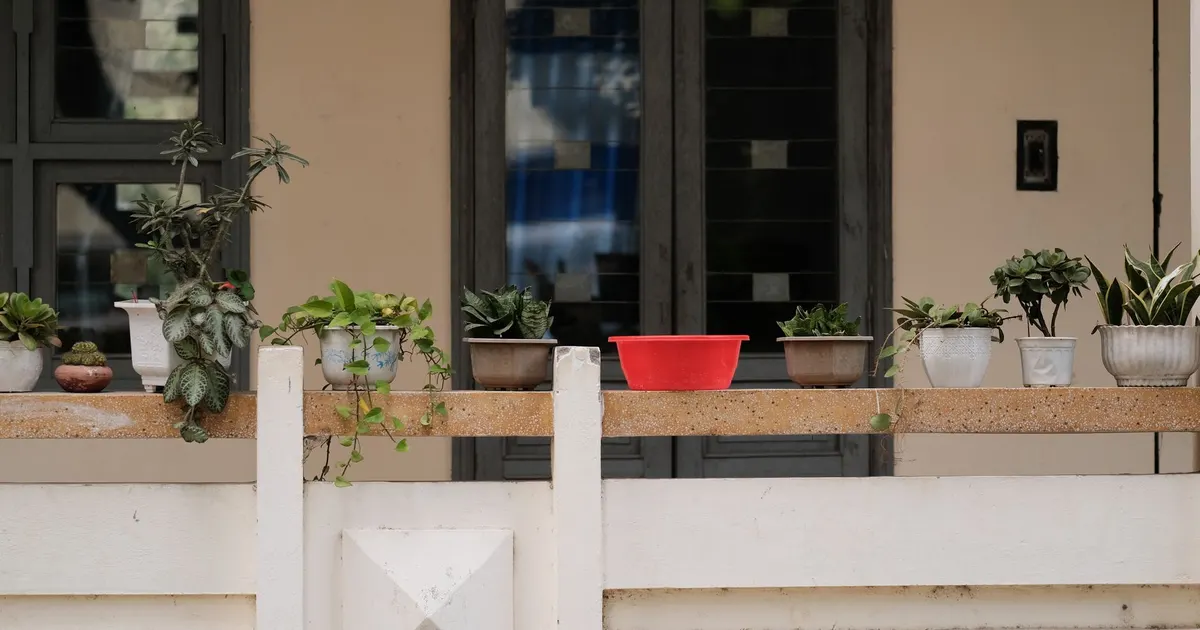
Photo: Pew Nguyen / Pexels
Start with the light, not the plants
Most small-space gardens fail for a boring reason: the plants were chosen in a shop, not in the space they were going to live in. Before you buy anything, spend a day or two noticing how the light moves across your balcony, yard or windowsill.
Which way does it face?
- South-facing: sun for most of the day. Best range of options, but pots dry out fast and summer sun can scorch tender leaves.
- West-facing: strong afternoon and evening light. Good for most herbs and flowering plants, though it gets hot late in the day.
- East-facing: gentle morning sun, shade from midday. Salad leaves, herbs and many hardy perennials do well.
- North-facing: shade all day. Think foliage, ferns, mint, chives and hardy geraniums rather than tomatoes.
Height matters too. The higher your balcony, the stronger the wind and the more exposed everything is. A fifth-floor south-facing balcony is a very different growing environment from a sheltered ground-floor yard, even a few streets apart.
What actually thrives in a British small space
Honest list, based on what survives rather than what looks good in a catalogue photo:
- Reliable: mint, chives, rosemary, thyme, parsley, salad leaves, chard, strawberries, lavender, ferns, hardy geraniums, spring bulbs, winter pansies.
- Possible with effort: cherry tomatoes, chillies, dwarf beans — but only in a sunny, sheltered spot with regular feeding and watering.
- Usually disappointing: courgettes, large fruiting vegetables, anything tender left outside over winter, and thirsty plants in small pots.
If you only have a windowsill, herbs and cut-and-come-again salad leaves are the best value for the space they take up.
Buying pots and planters online: what to check
Weight, material and drainage
Every material has a trade-off:
- Terracotta looks good and breathes, but it's heavy and can crack in a hard frost.
- Glazed ceramic holds moisture well but chips and cracks if water sits in it over winter.
- Plastic is light and cheap to move, but top-heavy plants will tip in a gust.
- Fabric grow bags are brilliant for salads and roots, but they dry out quickly.
- Wooden planters suit a small yard, though untreated timber will rot within a few seasons.
Check for drainage holes in the listing photos. Plenty of decorative planters have none, and a pot without drainage is a slow death sentence for most plants. If you fall for one anyway, use a slightly smaller inner pot and empty the reservoir regularly.
Saucers, feet and neighbours
Water dripping onto the balcony below is the single most common cause of small-space gardening disputes. Saucers, pot feet and a shallow tray under the whole group solve most of it. Pot feet also lift containers clear of standing water in winter, which matters more than most people realise.
Size is not just about looks
A larger pot holds more compost, dries out more slowly and stands up to wind far better. As a rough guide, herbs want a pot around 30cm across, and anything fruiting wants noticeably more. Three generous pots will outperform ten small ones.
Compost, seeds and plugs: reading the listing properly
Peat-free compost is now the standard in the UK, and it behaves differently from the old stuff. It needs watering more carefully and shouldn't be allowed to dry out completely, because it can be hard to rewet. Look at the volume in litres rather than the picture of the bag — the two are often wildly unrelated.
For seeds, check the sow-by date and whether the variety is described as suitable for containers. For plants, work out what you're actually buying: seeds, plug plants, bare roots or a full potted plant. Plug plants are cheaper but need looking after indoors for a few weeks before they go out.
One practical note: plants sent from outside the UK are subject to plant health rules, so a UK-based seller is usually the simpler route for anything living.
Watering without an outdoor tap
Most flats don't have one, which turns watering into a daily chore rather than a quick job. A few things help:
- Group pots together so they shade each other and share humidity.
- Add a mulch layer of gravel or bark to slow evaporation.
- Use self-watering containers with a reservoir for thirsty plants.
- Keep a large watering can by the door so you're not making three trips.
- Catch rainwater in a bucket if you have access to a downpipe.
In high summer, containers may need water every day. In January, barely at all. Resist the urge to water on autopilot in winter — waterlogged roots kill more balcony plants than drought does.
Wind, rain and the shoulder seasons
Wind is the biggest killer in exposed spots. Choose low, sturdy plants, keep tall growers against a wall, and fix any trellis properly rather than leaning it. In autumn, move pots into the most sheltered corner you have.
Over winter, raise pots onto feet, wrap terracotta in bubble wrap or horticultural fleece, and accept that you'll lose the odd plant. That's normal, not failure.
Slugs, pigeons and other local realities
Slugs and snails arrive in compost or climb up from below. Pigeons and squirrels will strip young seedlings in an afternoon. Netting, gritty barriers and copper tape all have their fans, but the simplest strategy is to sow more than you need and expect some losses.
A year on a small balcony
- Late winter: clean and stack old pots, order seeds and compost, sow chillies and tomatoes indoors.
- Spring: harden off young plants gradually, then plant out after the last frost — usually mid to late May in the south, later further north.
- Summer: water daily, feed weekly, deadhead to keep flowers coming.
- Autumn: plant spring bulbs, swap summer bedding for winter colour, tidy and compost spent plants.
- Winter: protect pots, plan next year's layout, order bare-root plants for planting while they're dormant.
Keeping the kit under control
Small spaces fill up fast. A lidded storage bench doubles as seating and hides compost bags, a stack of nesting pots takes up almost no room, and a single trug for tools stops secateurs and twine migrating into the kitchen. Rinse and stack pots at the end of the season so you're not buying replacements every spring.
What to check before you click buy
- Pot diameter and volume, in centimetres and litres.
- Whether drainage holes are included.
- Frost hardiness of both the plant and the container.
- Compost volume and whether it's peat-free.
- Whether you're buying seeds, plugs, bare roots or a full plant.
- Whether the seller is UK-based, particularly for living plants.
Get those basics right and a modest balcony will give you herbs for most of the year, colour from early spring to the first hard frost, and a genuinely pleasant place to sit with a cup of tea on a bright afternoon.