First Home, First Garden: The Tools Worth Buying Straight Away
Buying your first set of tools is easy to get wrong — big boxed kits look thorough and mostly gather dust. Here's what actually earns its place in a first home and garden, and how to buy it online without regretting it.

5 min read
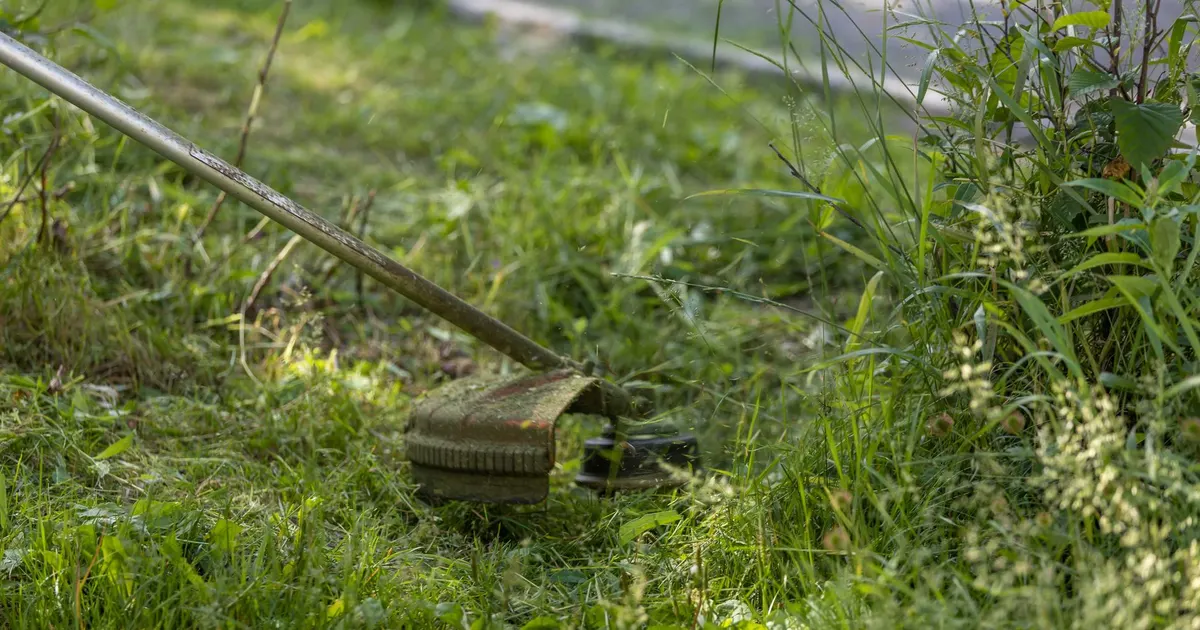
Photo: Sergei Starostin / Pexels
Start With the Jobs You Actually Have
Most first-time tool buyers make the same mistake. They buy a big boxed set because it looks thorough, then spend three years using four things out of forty. The tin of odd bits sits in a cupboard, and the one screwdriver you actually need is the one that's missing.
Better approach: buy for the first three jobs on your list. Hanging a shelf. Tightening a wobbly chair leg. Cutting back an overgrown shrub. Everything else can wait until a job demands it.
That keeps the spend sensible and, more importantly, means you learn what you like holding.
The Hand Tool Kit That Covers Most Jobs
Screwdrivers and bits
A ratcheting screwdriver with a decent set of interchangeable bits handles flathead, Phillips and Pozidriv screws. If you're in the UK or Ireland, Pozidriv matters — a lot of flat-pack furniture and door hardware uses it, and a Phillips driver will cam out and chew the screw head. Look for a set that includes hex and Torx bits too. They turn up more often than you'd expect.
Hammer, pliers, adjustable spanner
A medium-weight claw hammer. Combination pliers, a small pair of needle-nose pliers, and one adjustable spanner. Between them they cover most furniture assembly, bike fettling and general household fiddling.
Tape measure, spirit level, utility knife
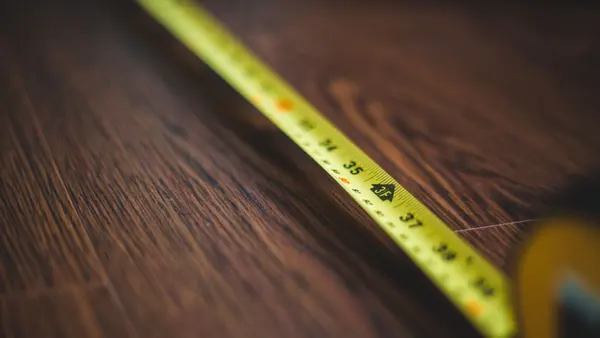
A five-metre tape measure with a locking blade. A spirit level long enough to hang a shelf properly. A retractable utility knife with spare blades, because blades go blunt fast and a blunt knife is the one that slips.
Safety kit
Safety glasses, work gloves and a dust mask. This is the least exciting paragraph in the article and the one you'll be glad about. If you're drilling into old walls, plaster or MDF, wear the mask.
Power Tools: Wait, Then Buy Well
You don't need a full workshop. You need a drill.
A cordless combi drill covers drilling into wood, metal and masonry plus driving screws — which is most of what a first-time buyer ever does. If you can, buy one with two batteries. Running flat halfway through a job with a single battery is the classic rookie frustration.
Then stop. A jigsaw, an orbital sander and a circular saw are all genuinely useful, but only when a specific project calls for them. Borrow or hire first if it's a one-off job.
Two things worth checking before you buy any cordless tool:
- Whether the battery system is shared across the range, so future tools can use the same batteries
- Whether spare batteries and chargers are easy to track down later
Garden Basics
Digging and cutting
A digging spade, a garden fork and a hand trowel. That's the honest minimum for borders, pots and planting. Add a pair of bypass secateurs for anything woody — bypass cuts cleanly, while anvil-style crushes the stem, which matters for living plants.
A half-moon edger tidies bed edges. A pruning saw handles branches too thick for secateurs. Don't buy a full-size hedge trimmer for one scrappy shrub; borrow one first and see how you get on.
Watering, pots and soil
A watering can with a rose attachment for seedlings, plus a hose if your outdoor tap is a long way from the beds. Containers need drainage holes — if a pot doesn't have them, drill them or treat it as a cachepot with a plain pot inside.
Buy compost by what you're growing. Seed compost is finer, multipurpose is the general workhorse, and ericaceous is for acid-lovers like blueberries and camellias. Bagged soil is heavy, so it's often worth buying locally rather than online unless you're ordering a serious amount at once.
Buying Online Without Regrets
Online is where the range is. It's also where the phrase "heavy duty" means absolutely nothing.
Read the listing like a sceptic
Ignore the marketing adjectives and hunt for:
- Material and finish — forged steel beats a vague "steel" every time
- Weight, where it's listed, because a featherlight spade is usually a thin one
- Exactly what's in the box, down to bit count and battery count
- Measurements, in the units you actually work in
Check the returns position first
Before you buy anything with a motor or a blade, find the returns policy and how long the maker stands behind it. Tools are the category where people most often discover, too late, that a return needs posting somewhere at their own cost. It's a two-minute check that saves a lot of irritation.
Reviews: read the middling ones
Five-star reviews tell you someone was excited on day one. One-star reviews tell you someone was angry. The three-star reviews tell you what the tool is actually like after a few months — handle comfort, battery behaviour, whether the chuck wobbles. That's the useful information.
Buy the boring things locally
Fixings, a single drill bit, sandpaper, potting compost. Anything where you need it today or need to match a size by eye. Online wins on choice, and on anything bulky you'd rather not carry home.
Quality Clues That Have Nothing to Do With the Logo
- Metal where it matters: chucks, gear housings, spade sockets, secateur blades
- Serviceable parts: replaceable blades, brushes and batteries
- Weight in the hand — too light usually means too thin
- A grip that fits you. If you have small hands, a fat handle is a genuine problem
- Complete instructions and a parts list in the box
Look After It and It'll Outlast You
Wipe metal tools down and put a drop of oil on the moving parts. Clean soil off spades and forks before storing — dirt holds moisture, and moisture means rust. Sharpen secateurs and knives, because a sharp edge is a safer edge. Store batteries indoors rather than in a cold shed, and charge them before they're completely flat.
Keep everything in one place, ideally a bag or box you can carry to the job rather than a heap in the corner of a cupboard.
A Sensible Buying Order
- Screwdriver set with bits, hammer, pliers, adjustable spanner
- Tape measure, spirit level, utility knife, safety glasses and gloves
- Cordless combi drill with two batteries
- Spade, fork, trowel, secateurs
- Watering can, hose, pots, compost
- Everything else, as and when a job asks for it
The Verdict
Buy for the jobs you have, not the homeowner you imagine you'll become. Spend where metal meets work — chucks, blades, spade heads, hinges — and go cheap on the bits that don't matter. Check the returns position before anything with a motor, and buy locally when you need it today.
Do that and your first tool kit will still be earning its keep in ten years. The boxed set with forty bits won't be.