Sound in a Small UK Flat: Speakers, Headphones and Keeping the Peace
Thin walls, high ceilings and a shared party wall change how audio gear behaves at home. A practical look at speakers, headphones and TV sound for British flats.

5 min read
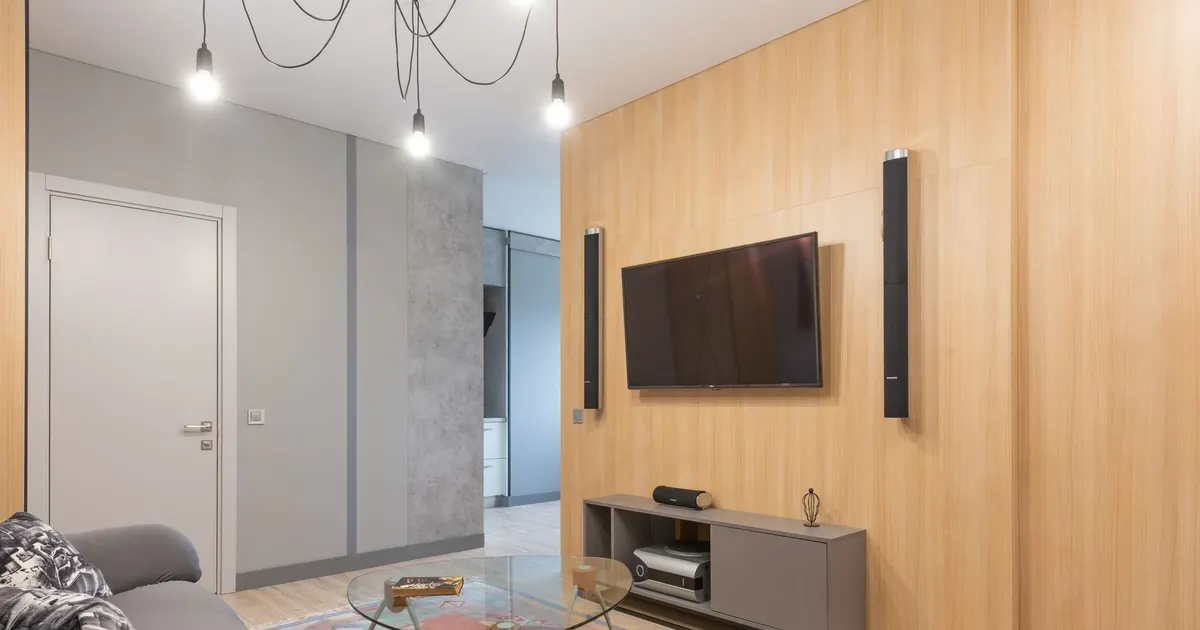
Photo: Max Vakhtbovych / Pexels
Why sound behaves differently in a British flat
Most of us don't live in a purpose-built listening room. We live in a Victorian terrace conversion with a bay window that rattles, a party wall we share with next door, and floorboards that carry every footstep. Add a lease that mentions noise and a neighbour on early shifts, and the gear starts to matter less than the room.
The key thing to understand: bass travels. Low frequencies pass through walls, floors and ceilings far more easily than voices or guitars. That's why your neighbour never complains about your podcast and always complains about your film. Fix the low end and you've fixed most of the problem.
Start with the room, not the shopping basket
Before you spend anything, look at the space.
- Hard floors, bare walls and big windows bounce sound around. A rug, a pair of curtains and a full bookshelf do more for clarity than a new speaker.
- Put speakers on something solid. A hollow shelf or a windowsill turns into a drum. A stone coaster, a folded towel or a proper isolation pad under each speaker tightens the bass noticeably.
- Keep speakers away from the shared wall where you can. Moving one a metre clear of the party wall is often the single most effective change you can make.
- Corners exaggerate bass. If a speaker sounds boomy, pull it out of the corner before you blame the speaker.
Headphones: the quietest upgrade
For flats, headphones are the honest answer. They solve the neighbour problem completely, and they're where most people get the best sound for their money.
What to look for
- Comfort first. If they clamp or get hot after an hour, you won't use them. Try before you commit where you can.
- Noise cancelling is genuinely useful on a busy train, a Tube carriage or an open-plan office. It does much less for you at home.
- Battery life and charging. Check the connector — USB-C is now the norm, but older gear still uses micro-USB, which means yet another cable in the drawer.
- Replaceable earpads. This is the difference between headphones that last years and headphones that look tatty in eighteen months.
- A wired option. Bluetooth is convenient; a cable is a backup when the battery is flat and a better choice for films, where wireless audio can drift out of sync.
Over-ear, on-ear or in-ear
Over-ear suits home and long journeys. In-ear buds suit pockets and gym bags, but block less unless they seal properly. On-ear is a compromise that suits some heads and not others — fit is personal, so treat reviews as a starting point rather than a verdict.
Speakers for a small living room
A single good speaker in a small room usually beats a cheap pair. Stereo imaging needs space between the speakers and a listener sitting in roughly the right spot; in a narrow flat, that's often not realistic.
Worth checking before you buy:
- Connections. Bluetooth only, or Wi-Fi as well? Wi-Fi multiroom is handy if you want the same music in the kitchen and the living room, but it usually means an app and an account.
- Latency. Bluetooth speakers can lag behind video. If you plan to use one with a TV, look for a low-latency mode or a wired input.
- Power. Mains-powered speakers tend to sound fuller; battery speakers are more flexible. Decide which matters more to you.
- Physical size. Measure the shelf, the windowsill or the gap beside the sofa before you order. A tape measure saves you a return.
- Updates and apps. Some speakers need a phone app to set up and occasionally to keep working. That's fine, but it's a commitment.
TV sound without annoying the whole building
Flat-screen TVs are thin, and thin TVs sound thin. Dialogue gets lost, you turn it up, and the bass carries straight through the floor.
A soundbar is the usual fix. Check three things: whether your TV has the right output (optical and HDMI ARC are the common ones), whether the bar physically fits under the screen without blocking the remote sensor, and whether it has a night mode or dialogue boost. Those two settings do more for flat living than raw power ever will.
If you watch a lot of films late, headphones with a long cable or a low-latency wireless pair are a genuinely good investment. Subtitles help too, and cost nothing.
Keeping the peace
Noise complaints are rarely about volume. They're about timing and repetition.
- Move bass-heavy gear away from shared walls and off the floor.
- Use night mode on the TV and soundbar after the evening.
- Give a neighbour a heads-up before a film night or a party. Most people mind far less when they've been told.
- Keep headphones by the sofa. The easiest choice is the one within reach.
- If you rent, check what your tenancy says about noise. If you own a leasehold flat, the lease will usually have something to say as well.
Buying second-hand and refurbished
Audio is one of the better categories for buying used. Speakers and wired headphones age well, and your money goes further.
Check for worn earpads, a battery that no longer holds charge, crackling drivers, missing cables and a smoky smell that never quite leaves. Ask whether the item can be paired and tested before you pay. If you're buying online, buy from somewhere with a clear returns process, and keep the packaging until you're sure.
A simple setup that suits most flats
- One pair of comfortable over-ear headphones with noise cancelling for the commute.
- One decent speaker for the kitchen or living room, mains-powered if there's a socket nearby.
- A soundbar or a small pair of speakers for the TV, with night mode switched on.
- Isolation pads or felt pads under anything that sits on a shelf.
- A labelled box for cables, with a spare USB-C lead and a spare 3.5mm one.
Through the year
British flats sound different in July and January. In summer, open windows let the outside in and the inside out — garden music travels further than you think, and so does next door's. In winter, closed windows trap sound inside, and long dark evenings mean more films and more music. Neither is a problem if you've sorted the bass and kept a pair of headphones within reach.
Get those two things right and the rest is just shopping.