How to Create a Calming Evening Routine in a Busy UK Home
A good evening routine can transform your sleep and your mood. Here’s how to build one that fits around work, family and British weather.

6 min read
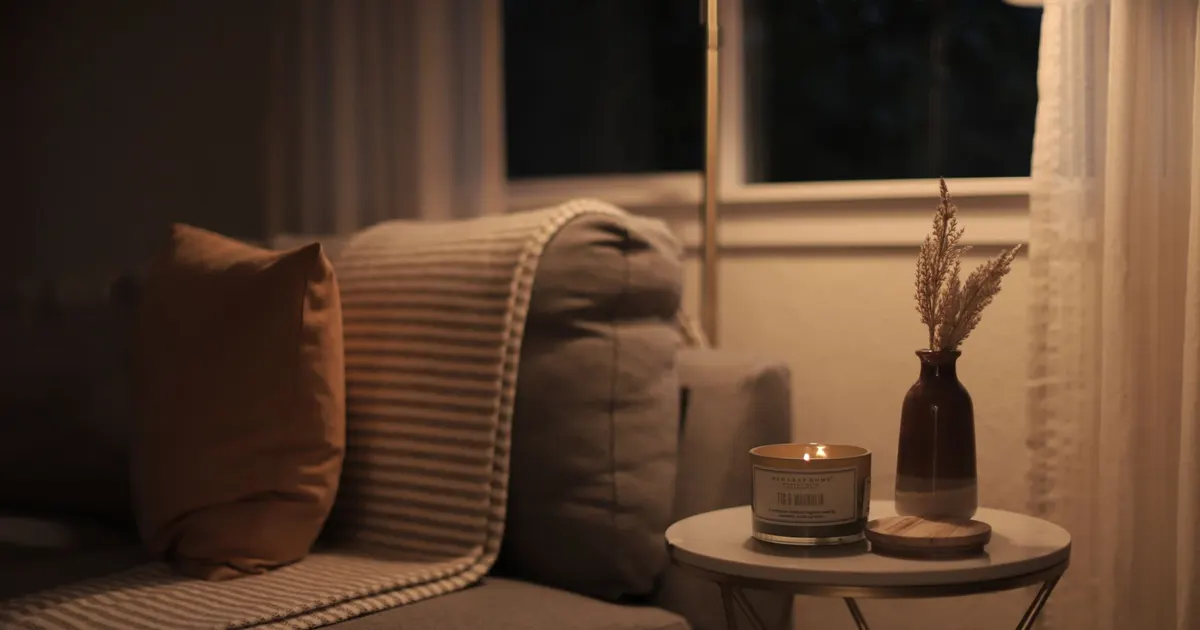
Photo: Denis Gvozdov / Pexels
Why an Evening Routine Matters
After a long day, it’s tempting to collapse in front of the telly or scroll through your phone until you nod off. But a deliberate wind-down can make a real difference to how quickly you fall asleep and how rested you feel the next morning. In a busy UK home—whether you’re in a city flat or a semi in the suburbs—the evening is often the only time you get to yourself. A routine helps you use that time well, rather than letting it slip away.
The aim isn’t to be rigid. It’s to create a gentle sequence of cues that tell your brain the day is done. That might mean dimming the lights, making a cuppa, or reading a few pages. The key is consistency: your body learns to associate these actions with winding down.
Setting the Scene: Light and Temperature
Light
Light is the most powerful signal for your body clock. In the evening, you want to reduce bright overhead lights and minimise blue light from screens. In the UK, this is especially important in summer when it stays light until late, and in winter when you might crave more light in the morning but need less at night.
What to look for when buying lighting online:
- Warm white bulbs (around 2700K) rather than cool white or daylight.
- Dimmable lamps or smart bulbs that you can schedule to fade.
- A small bedside lamp with a soft shade to avoid glare.
- If you use candles, choose unscented or naturally scented ones to avoid headaches.
Pros of dimmable lighting: easy to adjust, can be set on a timer, creates a cosy atmosphere. Cons: smart bulbs can be fiddly to set up, and some cheaper dimmers buzz.
Temperature
Your core temperature needs to drop slightly for sleep. A cool room—around 16-18°C—is ideal, but UK homes can be tricky. Old flats might be draughty, while modern builds can overheat. In winter, you might want a hot water bottle; in summer, a fan.
What to look for when buying a fan or heater online:
- Noise level: a quiet fan is essential if you’re using it in the bedroom.
- Size and weight: consider where you’ll store it when not in use.
- Safety features: automatic shut-off, cool-touch surfaces.
- Energy efficiency: look for models that won’t send your bill soaring.
Pros of a fan: cheap to run, portable, can double as white noise. Cons: can dry the air, may disturb light sleepers.
The Wind-Down: Screen Habits and Substitutes
Screen Curfew
Ideally, you’d stop looking at screens an hour before bed. That’s not always realistic, especially if you work late or share a home with others who are watching TV. If you can’t avoid screens entirely, try these compromises:
- Use night mode or blue light filters after sunset.
- Keep the screen dim and at a distance.
- Avoid doomscrolling: set a timer for social media.
- Charge your phone outside the bedroom.
Analogue Alternatives
Swapping screens for something tactile can be surprisingly soothing. Think paper books, audiobooks, a puzzle, or a journal. Many people find that writing down tomorrow’s to-do list helps clear the mind.
What to look for when buying a book light online:
- Warm light setting, not cool white.
- Adjustable brightness.
- Clip-on design that won’t damage pages.
- Rechargeable battery (no trailing cables).
Pros of a book light: lets you read without disturbing a partner. Cons: can be fiddly to position; cheap ones may flicker.
Comfort and Relaxation: What to Look for When Buying Online
Diffusers and Candles
Aromatherapy can be a lovely cue for relaxation. Diffusers are popular, but candles have their own charm. Both have pros and cons.
Diffusers:
- Pros: no flame, can set a timer, easy to blend oils.
- Cons: need cleaning, some are noisy, essential oils can be pricey.
- What to check: capacity (how long it runs), timer settings, noise level, ease of cleaning.
Candles:
- Pros: instant cosy glow, no electricity needed.
- Cons: open flame (never leave unattended), some scents can be overpowering.
- What to check: burn time, wax type (soy or beeswax are cleaner), wick type.
Weighted Blankets and Throws
A weighted blanket can feel like a hug and may help with anxiety, but they’re not for everyone.
Pros:
- Can reduce restlessness.
- Helps some people fall asleep faster.
- Good for lounging on the sofa.
Cons:
- Can be too hot in summer.
- Not suitable for young children or people with certain medical conditions.
- Washing can be a challenge.
What to check when buying online:
- Weight: aim for around a tenth of your body weight.
- Size: should cover you without hanging off the bed.
- Cover: removable and machine-washable is ideal.
- Filling: glass beads or plastic pellets; glass is quieter.
Herbal Teas and Bedtime Drinks
A warm, caffeine-free drink is a classic part of many evening routines. Chamomile, peppermint, and valerian root are popular. Avoid anything with caffeine after mid-afternoon.
What to look for when buying tea online:
- Loose leaf or bags? Loose leaf often tastes better but needs an infuser.
- Check the ingredients for added sweeteners or flavourings.
- Look for brands that state the origin and harvest date for freshness.
A Sample Evening Routine
Here’s a template you can adapt. Times are flexible.
9:00 pm – Tidy up Spend ten minutes tidying the living space. A clear room helps clear the mind.
9:15 pm – Dim the lights Switch off overhead lights. Turn on lamps or light a candle.
9:30 pm – Make a drink Herbal tea or warm milk. No caffeine.
9:45 pm – Screen curfew Put your phone on charge outside the bedroom. If you must use a screen, switch to night mode.
10:00 pm – Wind-down activity Read a book, listen to a podcast, do a puzzle, or journal.
10:30 pm – Bathroom routine Brush teeth, wash face, maybe a warm bath or shower if you have time.
10:45 pm – Bed Keep the room cool, dark, and quiet. If you can’t sleep after 20 minutes, get up and do something calm until you feel sleepy.
Making It Stick
- Start small: pick one or two changes and build from there.
- Involve your household: if you share a home, explain what you’re doing and why. You might find they want to join in.
- Adapt to seasons: in summer, you might need blackout curtains; in winter, a sunrise alarm can help you wake more gently.
- Don’t aim for perfection: some evenings will go out the window. That’s fine. Just pick it up again the next night.
- Review your routine every few months: what’s working? What feels like a chore? Adjust accordingly.
A calming evening routine isn’t about buying lots of things. It’s about creating a space and a sequence that helps you switch off. The items you choose—a lamp, a blanket, a book—should support that, not complicate it. When you shop online, focus on quality and suitability rather than trends. Read reviews, check dimensions, and think about how an item will fit into your home and your life. With a little thought, you can build an evening routine that genuinely helps you rest.