Household Subscriptions in the UK: Pantry, Cleaning and Toiletry Deliveries That Earn Their Space
Most household subscriptions fail for a boring reason: there is nowhere to put the stuff. A practical look at pantry, cleaning and toiletry deliveries, and how to make them fit a real home.

9 min read

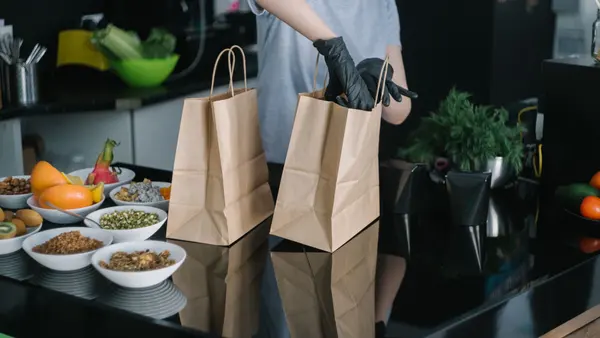
Photo: Kindel Media / Pexels
You know the cupboard under the sink. The one with the bag of bags, a bottle of floor cleaner bought in a fit of optimism, and three nearly identical half-empty bottles of washing up liquid. That cupboard is where most household subscriptions go to die.
Not because the products are bad. Because nobody asked the cupboard first.
Here is the idea I want to test in this guide: a household subscription is a storage decision dressed up as a shopping decision. You are not really buying shampoo. You are buying a recurring claim on the space in your home and on the rhythm of your week. Get the rhythm and the space right, and the products sort themselves out. Get them wrong and you have signed up for a slow, expensive tidying problem.
What Counts as a Household Subscription
Broadly, it is a recurring delivery of things you use up and replace. Consumables, not keepsakes. It sits in the same family as a meal kit, but with a different logic. A meal kit is a weekly decision about dinner. A household subscription is a standing order for the boring stuff.
Three things separate a real subscription from a repeat order. You set the rhythm once and it keeps coming, rather than choosing each time. The range is usually narrower and deeper than a supermarket, which is either the point or the problem. And the value comes from not thinking about it, which means that if you are thinking about it every week, it is not working.
There is also a category that gets muddled in: curated boxes, where someone picks a mix for you. Those behave more like a gift than a grocery run, and they need to be judged differently.
The honest test before you sign up for anything: name three things you buy every single month without fail. Not 'we should use more of that'. Actually buy. If you cannot name three, you do not have a subscription habit yet. You have a shopping list, and a subscription will just add admin to it.
Pantry, Cleaning and Toiletries: How They Differ
These three get lumped together because they all live in the same shop, but they have very different rhythms. Treating them the same is the most common mistake I see.
Pantry: the heavy category that is secretly seasonal
Pantry deliveries feel like the most sensible option and cause the most clutter. Tins, pasta, rice, oats, coffee, oil, flour. They keep for ages, they are heavy to carry home, and running out of them at eight in the evening on a Sunday is genuinely annoying.
The trap is that pantry use is not flat across the year. Nobody bakes in July. Everybody bakes in December. If your subscription is tuned to your November habits, you will be drowning in flour by February and short of it in December. Pantry works best for the items you use in a fixed, unglamorous way: coffee, cooking oil, tinned tomatoes, pasta. It works badly for anything you buy on a whim.
Cleaning: the most predictable category
Cleaning is the sweet spot for subscriptions, because it is the one category where the rhythm is genuinely mechanical. Washing up liquid, laundry detergent, surface spray, dishwasher tablets, bin bags. You do not wake up wanting a different floor cleaner.
Two things to watch. First, scent. You will be living with your choice for months, so do not pick one you only half like. Second, water. In a hard water area, which covers much of the south and east of England, you will get through more detergent and descaler than a friend in Glasgow or Manchester. Soft water areas can stretch a delivery further. Your postcode changes your consumption, and no subscription will know that unless you tell it.
Toiletries: the personal one, and the easiest to get wrong
Toiletries are the most personal and the least predictable. Toothpaste, deodorant, shampoo, razors, period products. Some of it is genuinely fixed. Nobody needs a different toothpaste every month.
The variable part is hair and skin. A shampoo that works in a soft water city can leave your hair feeling odd after a move. A moisturiser that suits you in a mild October can feel heavy in a humid August. Seasonal skin changes are real, and a subscription that locks you into a year of something is a commitment you may not want.
My rule: subscribe to the boring, fixed items. Buy the interesting ones as you go.
Matching Subscriptions to Your Home and Storage
Here is the part almost nobody thinks about until the boxes are in the hall.
A subscription is a claim on space. Before you choose a frequency, go and look at where the stuff is actually going to live. Not 'somewhere in the kitchen'. The exact shelf.
Damp is the enemy. A shed or a cold garage is a terrible home for laundry powder, which clumps into a brick, or for loo roll, which goes soft and sad. Cardboard packaging in a damp space is basically a slug hotel. If your only overflow storage is a shed, keep your subscription small.
Flats have no loft. In a Victorian terrace there is usually a cellar, a loft, or a cupboard that swallows everything. In a modern flat you have a hall cupboard and a strong opinion about clutter. Bulk buying in a flat is a false economy, because the cost of the space is higher than the saving on the soap.
The one in, one spare rule. Whatever you are storing, keep one in use and one spare. That is it. The moment you have three, you have stopped running a subscription and started running a small warehouse.
Household size beats marketing. A single person and a family of five can use the same service and need completely different settings. If you are not sure, start with the slowest frequency on offer and speed up if you run out. Going the other way round means months of tripping over bottles.
Flatshares need a named owner. In a shared house, someone has to hold the account, and someone has to be the one who takes the parcel in. Otherwise you end up with a kitchen where everyone has their own washing up liquid and nobody has bin bags. Pick one person, split the cost, and agree the ground rules before the first delivery.
One small trick that saves a lot of space
Buy the big size for the base, decant into a small bottle for the bathroom or the kitchen sink. You get the lower unit cost of bulk without a shelf full of giant containers. It also means you notice when you are running low, because you are the one doing the refilling.
Refill, Bulk or Curated: Choosing a Model
Four models, and they suit different homes.
Refill and concentrate. Tablets, sachets or pouches you add water to at home. The advantage is weight and volume: you are not paying to ship water, and the packaging is smaller. The catch is that you need your own bottle, and the first one is fiddly. Some concentrates need warm water and a proper shake, and if you skip that you will get a thin, disappointing spray. Once you have a bottle you like, refills are genuinely low effort. Best for cleaning.
Bulk. Large containers, lower unit cost, more storage. This is the model that rewards a garage, a utility room or a big pantry, and punishes a one-bed flat with a single cupboard. If you cannot see the back of the shelf, bulk is a mistake.
Curated. A mixed box chosen for you. This is where the fun is, and also where the waste is. Curated boxes are excellent for discovery and for gifts, and poor for a fixed need. If you know you want one specific washing powder, a curated box is a lottery ticket.
Scheduled repeat. The least exciting option and the most reliable. You pick specific items and set a rhythm. It is essentially a standing order. If you want a subscription you will still have in a year, this is usually the one.
A quick way to choose: ask what happens if the box is wrong. If a wrong box means mild annoyance, you can take a curated model. If a wrong box means a month of a scent you hate, choose the scheduled repeat.
Managing Deliveries, Pauses and Reviews
Subscriptions do not fail because people forget to sign up. They fail because people forget to check.
The single most useful habit is a calendar reminder before the cut-off for changing or skipping your next order. That is the moment where you decide whether you actually need it. Miss it, and you are committed for another cycle.
- Pause once, then decide. Pausing is a good tool, but it is also a way of avoiding a decision. If you have paused twice, cancel and re-subscribe later if you miss it.
- Do a seasonal review. Once a quarter, open the cupboard and look at what is left. Two unopened bottles means skip a cycle. This takes two minutes and saves a lot of shelf space.
- Keep the payment on a card you actually check. A subscription on a card you never look at is how you end up paying for something you stopped using in March.
- Watch the annual plans. They can be good value if you are certain, and a trap if you are not. Try the monthly rhythm first.
- Use the skip button freely. Skipping tells the service you are well stocked. It costs you nothing and it is the most underused button in the account.
If you share a home, put the reminder in a shared calendar. The person who set it up is not always the person who notices the cupboard is full.
Avoiding Waste and Cupboard Creep
Cupboard creep is the slow, quiet accumulation of half-used bottles and duplicate jars. It has one cause: a subscription running faster than you consume.
- Do a use-it-up week. Once a season, cook from the pantry and clean with whatever is already open. No new deliveries. It is oddly satisfying, and it resets your baseline.
- Write the inventory on the inside of the cupboard door. A scrap of paper with what is in there. It sounds fussy. It stops you buying a fourth jar of cumin.
- Rotate to the front. New deliveries go behind the old ones. Pantry items are the ones that catch you out, because best-before dates are easy to ignore until they are not.
- Label your decanted bottles. A reused bottle with something unlabelled in it is a bottle you will never trust. Masking tape and a pen are enough.
- Do not subscribe to a category you buy on impulse. If you enjoy choosing a new scent or a new tea, keep that as a treat. Subscriptions are for the things you would rather not think about.
- Check that the refill actually works for you. A refill sitting in the cupboard because you never got round to mixing it is worse than the plastic bottle you would have finished.
And if you are doing this for environmental reasons, be honest with yourself. The biggest win is using up what you already have. A cupboard full of refill pouches you never open is not a greener home. It is just a tidier landfill.
If you want one thing to do today: open the cupboard under the sink, take everything out, and count the duplicates. Then open your subscription account and skip the next delivery. Buy the boring things on a rhythm, keep one spare, and let the cupboard tell you when it is full.