Mastering the Micro-Garden: A Practical Guide to Year-Round Outdoor Spaces in the UK
Living in the UK, we know that outdoor space can be unpredictable. This guide offers practical advice on making the most of small gardens and balconies, no matter the season.

5 min read
Designing Your Perfect Urban Oasis
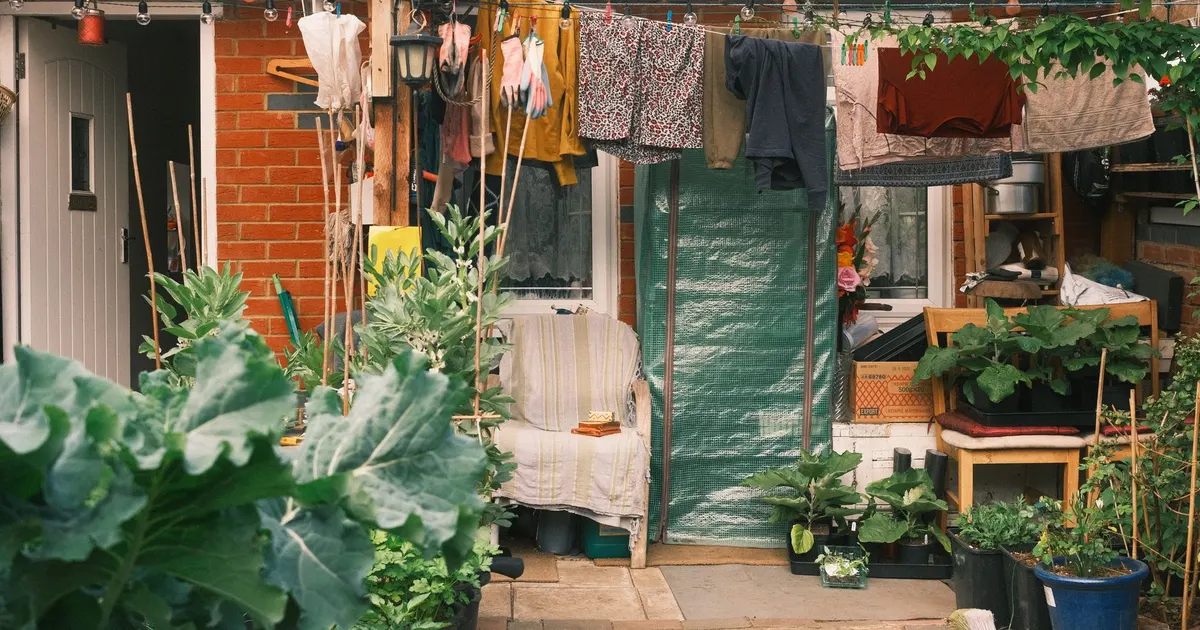
When we think of gardening, we often picture vast, sun-drenched plots. But for many of us living in the UK, whether in a terraced house or a city flat, our green space is limited to a small balcony, a patio, or a tiny patch of lawn. The challenge isn't just the size; it's the climate. We have sudden downpours, unpredictable bursts of sun, and long, grey stretches that can make even the most dedicated gardener feel discouraged.
My goal here is to separate the clever marketing from the genuine horticultural wisdom. A successful small outdoor space isn't about fighting the British weather; it’s about working with it. It’s about creating a resilient, functional, and beautiful environment that feels like an extension of your home, not just a patch of pavement.
The Foundation: Before You Buy a Single Plant
Before you head to any garden centre, you need to do a quick environmental audit of your specific space. This is the most crucial step and the one most people overlook.
Sunlight Mapping: This is non-negotiable. Track where the sun hits your space throughout the day. Does it get intense, direct light for a few hours, or is it merely dappled light all day? If you are in a deep urban canyon, you might get very little direct light at all. This dictates everything—from the type of plants you choose to the materials you use for flooring.
Wind and Exposure: Are you on a high-level balcony? Wind can be brutal, drying out containers and stressing plants. Are you tucked into a sheltered corner? This might lead to damp, which encourages fungal issues. Knowing these factors allows you to select windbreaks or choose plants that are naturally hardy.
Weight and Drainage: If you are working on a balcony, check the weight restrictions. Heavy, water-saturated soil and large pots can be a serious concern. Furthermore, ensure every single container has adequate drainage holes. Standing water is the quickest way to kill a plant, especially in the cooler months.
Seasonal Strategy: Living with the UK Climate
The key to a thriving micro-garden in the UK is strategic planning. You must embrace the seasonality of the climate and plan your planting and maintenance around the four distinct phases of the year.
Spring Awakening: The Rebirth
As the chill begins to lift, spring is about preparation and gentle introduction. Focus on hardy, early bloomers and those that thrive in cooler, moist soil.
- Soil Preparation: If you are starting from scratch, invest time in creating a good base. A simple mix of quality topsoil, compost, and grit is usually all you need to begin. Good drainage is paramount.
- Plant Selection: Look for plants that are known to handle sudden temperature shifts. Consider bulbs that are suited to your climate, or hardy perennials that you can bring in and out as the weather turns. This is the time to establish the structure of your garden—trellises, small fences, and pots.
Summer Abundance: Heat and Maintenance
When the summer arrives, the focus shifts to maintenance and maximizing the heat. Even if you only get a few weeks of truly warm weather, make it count.
- Water Wisely: Containers dry out quickly in the sun. Establish a consistent watering schedule. Deep watering less frequently is often better than light sprinkling every day, as it encourages deeper root growth.
- Shade Management: If your space gets intense afternoon sun, consider placing shade-tolerant varieties in the harshest spots. Use strategically placed shade cloth or move containers to track the sun's path throughout the day.
- Vertical Growth: Summer is the time to unleash the potential of vertical gardening. Climbing plants thrive when given a support structure, allowing you to grow more greenery in a smaller footprint.
Autumn Transition: The Harvest and Rest
Autumn is arguably the most critical season for long-term success. It’s when you transition from growth to protection.
- Harvest Time: If you have edibles, this is the peak season. Harvest what you can while the conditions are good. This is also the best time to clear out any dying foliage from summer plants.
- Hardening Off: For any perennials that will stay, begin to 'harden them off.' This means gradually exposing them to cooler temperatures and less protected conditions to prepare them for the winter frosts.
- Protective Measures: As the first frosts approach, move sensitive plants into a sheltered spot or bring them indoors. Consider applying mulch around the base of hardy plants to help retain moisture and insulate the roots against sudden cold snaps.
Winter Resilience: Structure and Light
Winter in the UK demands a different approach. The focus shifts away from 'growth' and towards 'structure' and 'mood.'
- The Evergreen Anchor: This is the time to rely on evergreens. A well-placed evergreen shrub or a hardy, structural plant provides essential visual interest when everything else is dormant. These plants are your anchors against the grey days.
- Ambiance: Since natural colour is scarce, focus on artificial elements: lighting, textures, and cosy seating. A well-placed string of warm lights can transform a dreary patio into a magical, usable space.
- Dormancy Check: Inspect your pots. Are any roots overcrowded? Is the soil depleted? Winter is the time to prune heavily and prepare the soil for the spring awakening, even if the plants are dormant. This simple act of maintenance ensures a much stronger start next year.
Practical Elements for Small Space Maximisation
Beyond the seasonal schedule, there are several design principles that make a small area feel larger, richer, and more functional.
The Power of Verticality
When floor space is scarce, you must look up. Vertical gardening isn't just a trend; it's a necessity in the urban landscape. Use wall planters, hanging baskets, and trellises. This technique not only maximizes the space but also allows you to create different 'layers' of planting, mimicking a more natural, dense garden environment.
Container Strategy: Mobility and Variety
Don't feel restricted to one style of pot. Use a variety of sizes and materials. A tall, slender pot can draw the eye upwards, while a low, wide planter can ground the space. The key is mobility. In the UK, we often have to move pots to catch a brief period of sun, or to protect them from a sudden downpour. Choose containers that are easy to shift.
Sound and Scent: Engaging the Senses
Gardening isn't just visual. Incorporate elements that engage other senses. Fragrant herbs or flowering plants can make a small space feel instantly more lush and welcoming. Similarly, consider a small water feature (provided it is frost-proof and drained in winter). The gentle sound of running water can drastically change the atmosphere of a small, enclosed space, making it feel more like a secluded retreat.