How to Buy a Bluetooth Tracker Online in the UK: Keys, Bags and Privacy
A Bluetooth tracker is one of those small buys that can save a grim hour in a train station. Here's how to choose one for British commutes, shared homes and the odd lost suitcase.

6 min read
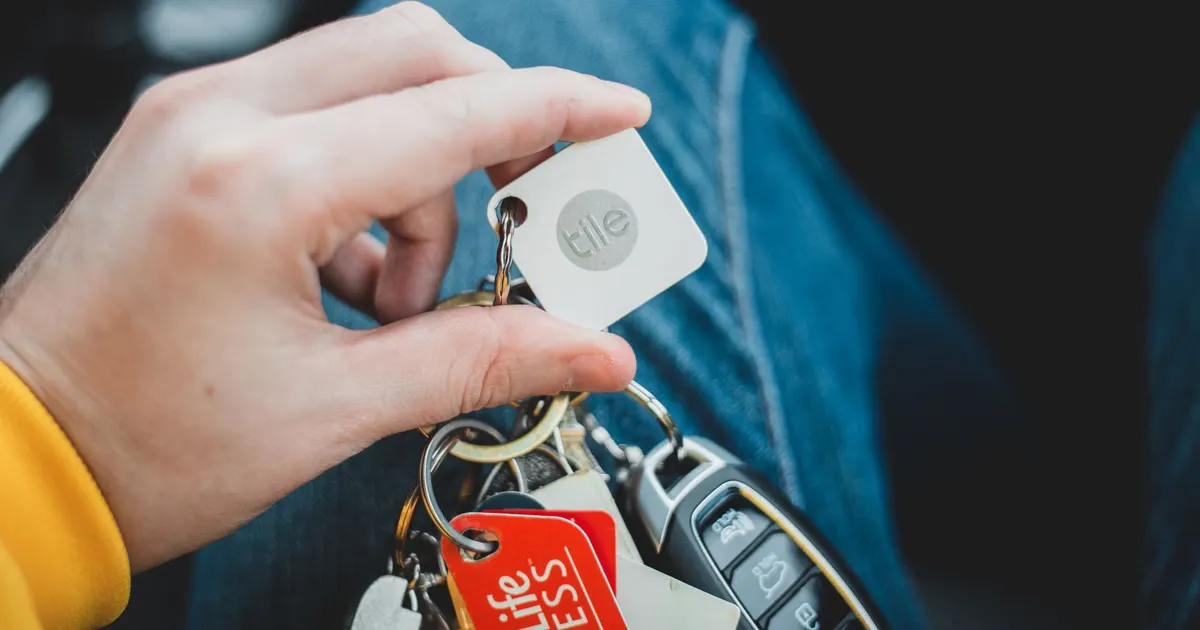
Photo: Erik Mclean / Pexels
The short version
A Bluetooth tracker is a small tag that pairs with your phone. It rings when you are close and shows a last-known spot when you are not. It is brilliant for keys, bags and suitcases; it is not a live GPS feed and it is not a security device.
If you live in a town or city, a tag with a wide finding network is the useful sort. If you mostly lose things at home, a simple close-range ringer will do. Either way, check the battery, the fitting and the privacy settings before you buy.
What a tracker can and cannot do
A tracker can save you from turning the flat upside down before work. It can also give you a last-known location for a bag left on a train or a suitcase that has gone astray. The key word is 'last-known'. It is a hint, not a live map.
It cannot stop a bike being stolen. It cannot replace a lock, a pet tag or your own memory. It cannot work reliably in a field with no phones passing by. If you need live tracking in remote places, you need a different gadget.
Start with the phone you already carry
Compatibility is the first thing to check. Some trackers are built around one phone system and work best if everyone in the house uses the same one. Others are more open. Read the listing carefully: which app do you need, which account, and can you share a tag with someone else?
If you are in a flatshare or a couple, sharing matters. You might want your partner to be able to ring the shared keys, or your flatmate to see the tag on the communal bike. Check how sharing works before you buy. A tag that only one person can see is less useful in a shared home.
Also check whether the useful features need a subscription. Some tags offer basic ringing without one and extra alerts with one. That is fine, as long as you know before you set it up.
Network coverage in Britain
The finding network is the crowd of other phones that quietly notice your tag when it is out of your range. In London, Manchester, Birmingham, Leeds, Glasgow, Cardiff and most busy towns, that crowd is dense. In a quiet coastal village or a Highland glen, it is thinner. That is not a fault; it is how the tech works.
For keys and bags, a wide network is a nice safety net. For a bike left in a rural shed, it is less reassuring. If your main worry is losing things at home or at the office, a simple close-range ringer is enough. If you commute by train, coach or Tube, a wider network earns its place.
Battery, size and fit
There are two broad types: sealed tags and tags with a replaceable battery. Sealed tags are neater and often smaller. Replaceable ones are more practical, especially for keys, because you can keep using the tag instead of retiring it when the battery goes. Check the battery type and how easy it is to open. A tag that needs a tiny screwdriver and a steady hand is not ideal for a hurried household.
Size matters more than the photos suggest. A chunky tag on a keyring is annoying in a pocket. A slim one can slip into a wallet, but may be easier to lose. Check the depth and weight, and think about where it will actually live.
Fitting is the quiet make-or-break. Look for a proper keyring hole, a silicone loop, or an adhesive mount. A tracker that falls off is just a tiny plastic pebble. If it is going on a bike, use a mount that needs a tool to remove, and still use a lock.
Rain, pockets and British weather
Water resistance is worth checking. A tag on a dog collar, a bike frame or a coat pocket will meet rain, puddles and mud. Look for a clear water and dust rating, and a battery compartment that seals properly. 'Splashproof' is fine for a keyring; it is not enough for something living on a bike.
Think about the washing machine too. Coats and bags get washed. Check pockets before a cycle. A tracker that survives a wash is a bonus, not a plan. If it is going near water often, buy for the wetter end of your habits.
Privacy and safety: the bit not to skip
Trackers are useful, and they can also be misused. Buy from a seller that explains its anti-stalking features: alerts when an unknown tag travels with someone, and a way to identify a tag that is not yours. Avoid no-name tags with no safety information at all. A bargain that ignores this is not a bargain.
Set up sharing deliberately. Do not hand a tag to someone without telling them. In a flatshare, label shared keys and agree who can see what. If you are buying for an older relative, set it up with them rather than for them. The point is reassurance, not surveillance.
Check the app's privacy information. You do not need to read a legal tome, but you do want to know what the app collects and whether you can delete your data. If the listing is vague about the app, that is a warning sign.
Buying online: what to check before you pay
The checklist
- Compatibility: phone, app, account and sharing.
- Network: wide finding network or close-range only.
- Battery: sealed or replaceable, and what type.
- Water and dust rating: match it to where the tag will live.
- Mounting: keyring, loop, adhesive or case.
- Safety: unknown-tag alerts and identification.
- Returns: read the process before you open the packaging.
- Support: a manual and app help you can actually find.
- Reviews: look for long-term notes on battery life and app bugs, not just unboxing videos.
Read the listing like a sceptic
Look for the boring details: what is in the box, how the tag attaches, and what the app actually does. If the listing is all lifestyle photos and no specifications, move on. Check the returns process before you buy, because a tracker is the sort of thing you need to test in your own home. A tag that cannot ring through a wall is no use to you.
Set it up properly
Test it at home first. Ring it from another room. Walk out of range and check the last-known location updates. Label the tag with your phone number or a name, but do not put your full address on it. Turn on alerts. Share only with people who need it. Keep the app updated.
For keys, use a keyring that will not pull open. For a bag, put the tag in a zipped pocket rather than loose among the receipts. For luggage, tuck it into an inner pocket and check it before you check the bag. For a bike, hide it and secure it; a tracker is not a lock with a battery.
Common mistakes
- Buying a tag that only works with one phone system when the household is mixed.
- Expecting GPS accuracy from a Bluetooth tag.
- Putting a sealed tag on a dog and never checking it.
- Ignoring privacy settings and sharing with everyone.
- Choosing the smallest tag without checking battery life.
- Forgetting that a tracker in a parcel does not make the parcel tracked.
Verdict
Buy one if you misplace keys, bags or luggage and you live or work in a built-up area. It is a small, sensible bit of kit for a British commute. Do not buy one expecting a live GPS feed or a security device. For most UK homes, a simple tag with a replaceable battery and solid privacy features is the right choice. If your main worry is a bike in a rural spot, spend your money on a better lock first.