How to Buy a Heated Clothes Airer Online in the UK: Drying, Damp and Running Costs
Drying laundry indoors is a British necessity, but a heated airer can be a smart buy if you pick the right one. Here's what to check before you order online.

5 min read
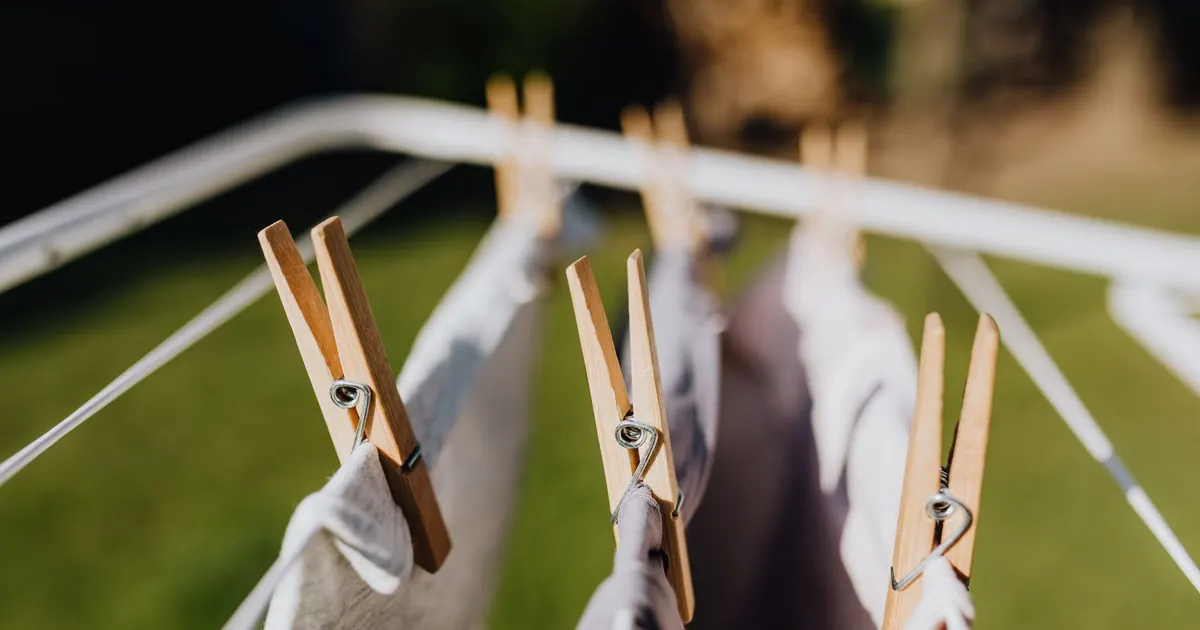
Photo: https://kaboompics.com/ / Pexels
Why a heated airer earns its place in a British home
The UK weather does not care about your laundry schedule. One minute it's fine, the next it's sideways rain. Even in summer, a cloudy week can leave washing damp for days. For anyone in a flat, a small house, or a home without a tumble dryer, a heated clothes airer can turn a spare corner into a workable drying space.
They are not a magic fix. They use electricity, they take up room, and they can add moisture to the air if you do not ventilate. But when you cannot hang things outside and you want to avoid a tumble dryer, a heated airer is a practical middle ground.
The main types you will see online
Winged and tiered designs
Most heated airers look like a standard clothes horse but with heated bars. Winged models fold out like a traditional airer, giving you more hanging space for shirts, trousers, and towels. Tiered models stack shelves, which suits smaller items like socks, underwear, and children's clothes.
Heated bars vs heated shelves
Some models heat only the bars where clothes hang. Others have heated shelves or flat panels that you can lay items on. Heated shelves are handy for jumpers and delicate knits that you would rather not hang. Think about what you wash most before you choose.
Covers and pods
A cover or pod turns an open airer into a small drying cabinet. The heat stays in, so clothes dry faster, and the cover can reduce the damp that escapes into the room. The trade-off is that you need space to set it up and take it down. If you have a spare corner, a covered airer can be very effective.
What to check before you buy
Size and footprint
Measure the space where you plan to use it. A heated airer needs room for the frame plus the clothes. If you have a narrow gap between a wall and a door, check the folded dimensions as well as the open ones. Some models fold flat enough to slide behind a sofa or into a cupboard.
Wattage and running costs
Heated airers use electricity, so wattage matters. A lower-wattage model will cost less to run but may take longer to dry. A higher-wattage model dries faster but uses more power. Look for a timer or thermostat so you can run it for a set period rather than leaving it on. That is better for your energy bill and for safety.
Timer, thermostat and safety
A timer is not a luxury. It lets you set the airer to run for an hour or two and then switch off. A thermostat helps it maintain a steady temperature. Check for an automatic shut-off and a sturdy frame that will not tip. If you have pets or small children, look for a model with cooler bars or a cover that keeps little hands away.
Build quality and assembly
Online listings can make a flimsy airer look sturdy. Read the reviews for comments on wobble, rust, and how well the bars hold up after a few months. Assembly should be straightforward, but check whether tools are needed. If you are not confident with DIY, look for a model that unfolds ready to use.
Folding and storage
Where will it live when not in use? A heated airer that is awkward to fold will end up staying out. That is fine if you have a utility room, but less so in a flat. Look for a model that folds compactly and is light enough to move without help.
Where to put it (and where not to)
Ventilation is the big one. Drying clothes releases moisture into the air. In a sealed room, that moisture can lead to condensation, damp patches, and mould. If you can, put the airer in a room with an extractor fan or a window you can open slightly. A bathroom with a fan is often better than a bedroom.
Avoid putting it directly against a wall or in a tight corner where air cannot circulate. Give it some breathing room. If you have a dehumidifier, running it nearby can help capture the moisture and speed up drying.
Living with a heated airer
- Spin clothes well before hanging. The more water you remove in the wash, the faster they dry.
- Do not overload. Clothes need space for air to move between them.
- Turn items over halfway through if you can. It helps thicker items dry evenly.
- Use the airer for small loads regularly rather than a huge backlog. It is more efficient that way.
- Keep delicate items off direct heat. Lay them on a shelf or use a lower setting.
Alternatives and complements
A heated airer is not the only option. A dehumidifier can dry clothes in a room and help with damp. A heated towel rail is good for towels and small items. A tumble dryer is faster but uses more energy. Many homes use a mix: outdoor line when the weather allows, heated airer for the rest.
If you already have a condenser tumble dryer, you may not need a heated airer. But if you are trying to cut down on tumble drying, a heated airer plus a dehumidifier can be a good combination.
Buying online: what to look for in a listing
- Clear dimensions, both open and folded.
- Wattage and any energy-saving features.
- Timer and thermostat details.
- Customer reviews that mention durability and drying times.
- A returns process that is easy to follow if it does not suit your space.
- Spare parts availability, such as replacement bars or covers.
Do not be swayed by a single five-star review. Look for patterns. If several people mention the same fault, take it seriously. If the listing is vague about size or power, that is a warning sign.
A quick checklist before you order
- Measure your space.
- Decide between open, covered, or shelf-style.
- Check wattage and timer.
- Read reviews for build quality.
- Confirm the returns process.
- Think about where it will live when not in use.
A heated clothes airer will not make a British winter feel like summer, but it can make laundry day less of a battle. Choose one that fits your home and your habits, and it will earn its keep.