How to Buy Chilled and Frozen Food Online in the UK: Cold Chain and Slots
Buying chilled and frozen food online is less about the food and more about the journey it takes to your door. Here's how to choose a webstore, time your delivery, and check everything on arrival.

5 min read
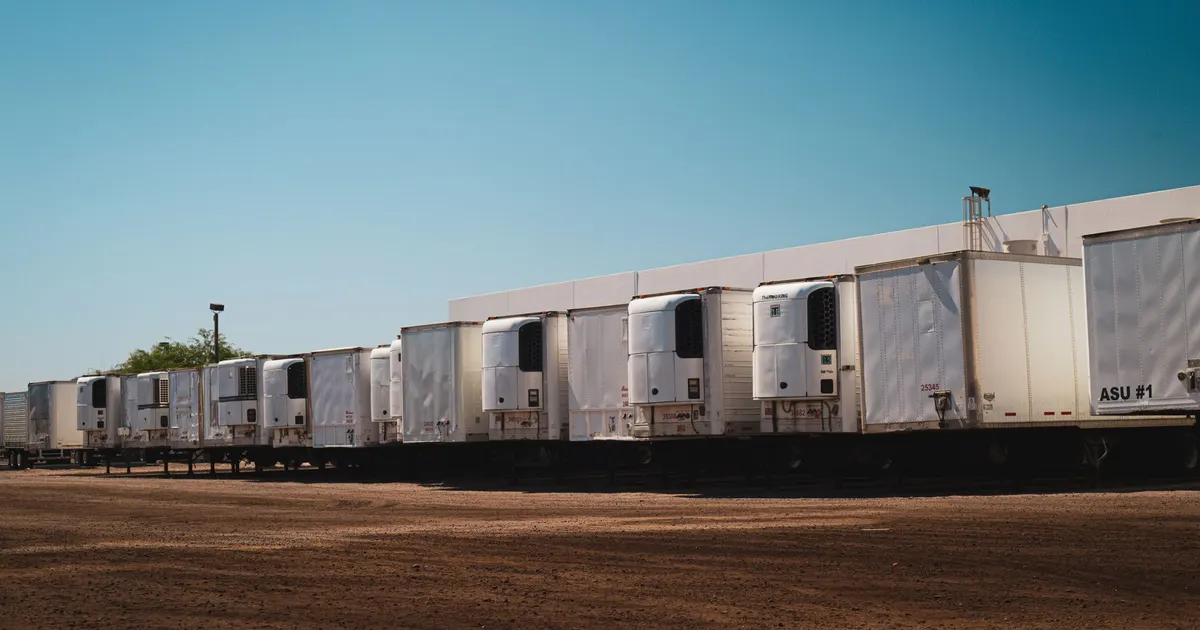
Photo: Tom Jackson / Pexels
Buying chilled and frozen food online is a different game from ordering a box of tea or a bag of pasta. The food itself is often fine; the risk is in the journey. A warm doorstep, a missed slot, or a webstore that skimps on insulation can turn a good order into a wasted one. This guide covers what to look for, how to time your delivery, and what to do when the box lands.
Why the cold chain is the whole product
When you buy chilled or frozen food online, you're not really buying sausages or peas. You're buying a promise that those items stayed at the right temperature from the warehouse to your kitchen. That promise is the cold chain.
Insulated liners and ice packs
Most webstores use a combination of insulated liners, ice packs, or dry ice. The best ones use recyclable or compostable materials, but the priority is performance. Look for details on the product page or delivery information: does the webstore explain how it keeps items cold? If it doesn't, that's a warning sign.
The last mile is the hardest
The final leg — from the van to your door — is where things often go wrong. A driver in a hurry, a doorstep in direct sun, or a flat with no lift can all shorten the effective cold time. Good webstores design for this with sturdy boxes and enough coolant. You can help by being ready.
Before you order: check the webstore's cold-chain setup
You can't inspect a webstore's warehouse, but you can read the signals.
- Delivery information: Does it mention insulated packaging, ice packs, or temperature-controlled vans?
- Product pages: Are chilled and frozen items clearly marked? Do they say whether they arrive fresh or frozen?
- Reviews: Look for comments about packaging and arrival condition, not just taste.
- Packaging policy: Can you return or recycle the insulation? Some webstores collect it on the next delivery.
What travels well and what doesn't
Not everything survives the trip equally.
Usually fine:
- Frozen vegetables, chips, and fruit
- Chilled dairy in sealed tubs (yoghurt, butter, hard cheese)
- Vacuum-packed meat and fish
- Frozen ready meals and pastry
Riskier:
- Soft cheeses and delicate desserts
- Fresh fish if the cold chain is weak
- Ice cream in warm weather
- Chilled items that are already near their use-by date
If you're ordering in summer, be extra picky. A heatwave can undo even a decent cold chain.
Packaging and recycling
A lot of cold-chain packaging is bulky. Check whether your local council collects it kerbside. Some webstores offer a collection service for insulated liners. If not, you may need to store it until a recycling centre trip. Factor that in.
Choosing a delivery slot that works for your home
The slot you pick matters as much as the webstore.
Flats, doorsteps and neighbours
If you live in a flat, can the driver reach your door? Is there a concierge? If you're out, can a neighbour take it in? A box left in a communal hallway in July is not ideal. Some webstores let you leave instructions — use them. If you have a cool bag, leave it out with a note.
Weather and the seasons
British weather is mostly kind to chilled deliveries, but not always. A warm spring day can be as risky as a summer one. In winter, freezing temperatures can damage some chilled items (salads, fresh herbs). If you're ordering during a cold snap, bring the box in promptly and check for frost damage.
When the box arrives: a quick check
Don't just shove everything in the fridge. Spend a few minutes.
- Check the packaging. Is the box intact? Are the ice packs still cold? Is there any sign of leakage?
- Feel the items. Chilled items should feel cold to the touch. Frozen items should be solid, not soft at the edges.
- Look for signs of thawing. Ice crystals on the inside of packaging, or meat that's pliable rather than firm, can mean it's been warmer than it should.
- Use a thermometer if you have one. For chilled items, aim for fridge temperature. For frozen, check for any soft spots.
If something seems off, take a photo and contact the webstore. Don't eat it.
What to freeze and what to eat first
If you've ordered a mix of chilled and frozen, prioritise. Chilled items that you won't eat soon can often be frozen, but check the label. Some things — like soft cheese or cooked meats — don't freeze well. Frozen items should go straight to the freezer.
Storing and thawing without waste
Once it's in your kitchen, treat it like any other food shop.
- Fridge: Keep chilled items at the back, where it's coldest. Don't overpack; air needs to circulate.
- Freezer: Freeze in portions if you can. Label things with the date.
- Thawing: Thaw in the fridge overnight, not on the counter. If you're short on time, use the microwave's defrost setting and cook immediately.
- Refreezing: Don't refreeze anything that has fully thawed, especially meat and fish.
If something goes wrong
Chilled and frozen orders are more likely to have issues than ambient ones. If your box arrives warm, or an item is missing, report it quickly. Keep the packaging until the issue is resolved. A photo of a soft ice cream tub or a warm chicken breast is more useful than a description.
A quick checklist before you click buy
- Does the webstore explain its cold-chain packaging?
- Are there recent reviews about arrival condition?
- Can you pick a slot when you'll be in?
- Do you have space in the fridge and freezer?
- Is there a cool bag or shaded spot for the drop?
- Can you recycle the insulation easily?
Buying chilled and frozen food online can be convenient and good value, but it rewards a bit of planning. The webstore does most of the work, but the last few minutes are down to you.