How to Buy Jams and Chutneys Online in the UK: Jars, Labels and Set
Preserves are heavy, fragile and easy to misjudge from a photograph. Here is how to read a listing properly before you commit to a jar.

5 min read
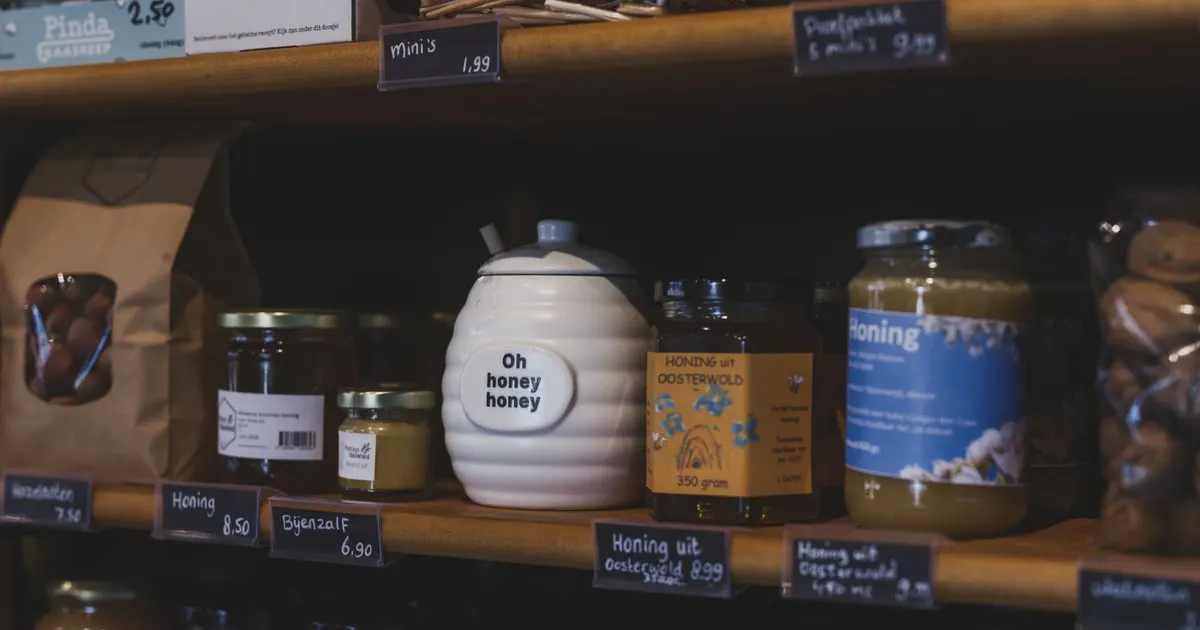
Photo: Haberdoedas Photography / Pexels
Why Preserves Are a Tricky Thing to Buy Online
A jar of jam looks simple. Fruit, sugar, a little acid, a lid. But it is heavy, it is glass, and it is the sort of thing that is either made in small batches by someone who cares, or churned out in industrial quantities and dressed up with a nice label and a story about a grandmother.
You cannot smell it, you cannot shake it, and you cannot check whether the fruit was grown anywhere near where the label implies. So the whole purchase rests on how well you read the listing. That is the skill worth learning.
Start With the Label, Not the Story
Marketing copy is written to make you hungry. The ingredients list is written because the law requires it, which makes it far more honest.
Look at the order of the ingredients
Ingredients are listed in descending order by weight. Fruit should come first. If sugar leads the list, you are buying syrup with fruit in it, however rustic the jar looks.
Remember what sugar is doing
In a traditional preserve, sugar is not just there for sweetness — it is the preservative. A lower-sugar version will taste fresher and fruitier, but it will not keep as long once opened and can turn mouldy faster. That is chemistry, not a fault. Decide which of the two you actually want before you order.
Watch for the filler
Pectin, citric acid and lemon juice are all perfectly normal. A long tail of thickeners, colourings and vague "flavouring" is a sign the fruit is not pulling its weight. Modified starch in a chutney usually means someone is trying to disguise a thin, watery texture.
Check the origin claims carefully
"Made in Britain" means it was made here, not that the fruit was grown here. If a listing is vague about where the fruit comes from, that vagueness is usually deliberate. A producer who is proud of their strawberries will name the farm, or at least the county.
Set, Texture and What the Words Mean
Jam, conserve, preserve, marmalade
Jam is fruit and sugar boiled to a set. Conserve generally means a chunkier version, often with whole fruit, sometimes nuts or dried fruit. Marmalade is citrus, and in the UK we are unusually fussy about it — shred size and bitterness matter more than most people admit. If a listing does not tell you whether the shred is thick or fine, you are guessing.
Setting point
A soft set is loose and spreadable; a hard set is firm enough to slice. Neither is better, but you need to know which you are buying. Photographs help here: a jar shot with a spoon lifted out of it tells you more about texture than three paragraphs of prose.
Chutney, pickle, relish
Chutney is cooked down, sweet-sour and thick. Pickle usually means vegetables in vinegar, sometimes left whole. Relish sits somewhere between the two. If you are buying to go with a cheeseboard, a chunky chutney beats a smooth one. If it is for sandwiches, the opposite is true.
Packaging: The Bit That Actually Causes Trouble
Glass, weight and wobble
A jar of chutney is dense and heavy, and in transit it wants to move. What you want to see in a listing is evidence of thought: each jar wrapped individually, padding around the shoulders, and a box that fits its contents rather than one with room to rattle.
Does the shop talk about breakages?
A seller who explains how they pack fragile goods, and who tells you plainly what to do if a jar arrives cracked, has clearly dealt with the problem before. A seller who says nothing at all is a gamble, and you are the one holding the leaking box.
Think about format before flavour
Sometimes smaller jars are the smarter buy. Three modest jars let you try three flavours instead of committing to one large one you may not finish. And if you are building a hamper, a plain jar with a proper seal travels far better than one with a cloth bonnet tied on with string.
Season, Pairing and Buying at the Right Time
Buying with the calendar is a small habit that pays off. Seville marmalade belongs to late winter. Soft fruit preserves belong to summer. Chutney belongs to autumn, when the gluts arrive and cooks start looking for something to do with them.
A producer who only sells marmalade in January is almost certainly working from real fruit rather than a year-round supply of pulp. That is a useful signal.
On pairing, keep it simple. Sharp, vinegary chutney cuts through a rich cheese. Fruitier chutneys suit cold meats. Dark onion marmalade is excellent with sausages, or on a ploughman's where something sweet is needed against the pickle.
When the Parcel Arrives
Open it over a surface you do not mind wiping down. Check the lids: a domed or popped lid, or a hiss when you twist it open, means the seal has failed and the contents should not be eaten. Check for hairline cracks around the rim and for any stickiness on the outside of the jar.
Once opened, keep preserves in the fridge, use a clean spoon every time, and do not double dip. A jar of chutney will happily sit for weeks if you treat it properly, and will go off in days if you do not.
If Something Is Wrong
Under the Consumer Rights Act 2015, goods must be as described, of satisfactory quality and fit for purpose. A jar that arrives smashed, or a preserve that tastes nothing like its own description, is the seller's problem to sort out, not yours to absorb.
Photograph the parcel before you tidy it away, keep the packaging, and report the problem promptly and factually. A short message with a photo gets a better result than a long one written in fury.
The Verdict
Buy preserves online for range, not for convenience. The shops worth your money are the ones that tell you where the fruit came from, how the thing is set, and how they pack glass for a journey. If a listing can answer those three questions, you will almost always end up with a good jar. If it cannot, you are paying for the label.