How to Buy Olive Oil Online in the UK: Freshness, Bottles and Storage
Buying olive oil online can be a gamble, but with a few checks you can find fresh, well-packaged oil that suits your kitchen. Here's what to look for in a webstore and how to store your purchase.

5 min read
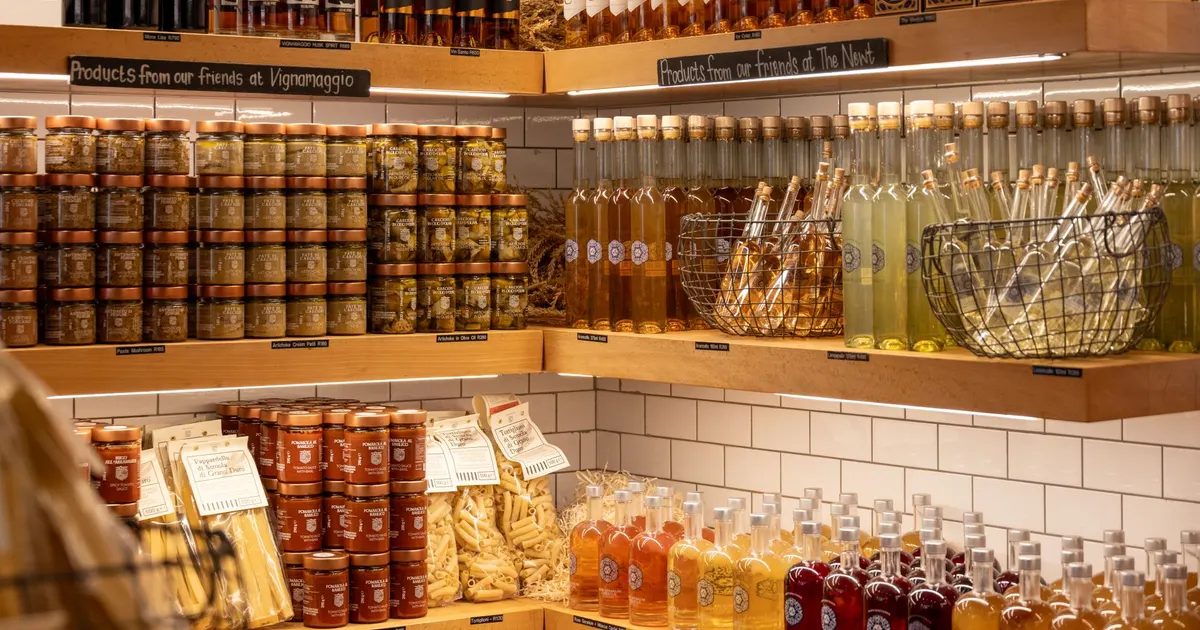
Photo: Magda Ehlers / Pexels
Olive oil is a kitchen staple, but the stuff on supermarket shelves can be a lottery. Buying online opens up a wider range, often from smaller producers who care about freshness. The catch is you can't pick up the bottle and check the label yourself. With a few simple checks, though, you can shop for olive oil online with confidence.
Judging an Online Olive Oil Shop
Not every webstore that sells olive oil is equal. Some are specialists, others are general food retailers. The best ones give you clear information and make it easy to ask questions.
What to Look for on the Product Page
The harvest date is the single most useful detail. Olive oil is a fresh product, not a wine that improves with age. A recent harvest means better flavour. If the shop doesn't list a harvest date, that's a red flag.
Look for the origin, too. Is it from a single estate or a blend from several countries? Single estate oils can be more distinctive, while blends are often more consistent and cheaper. Neither is inherently better, but you should know what you're buying.
Acidity is another clue. For extra virgin olive oil, lower acidity generally means better quality. You don't need to memorise numbers; just look for 'low acidity' and a recent harvest.
Also check the extraction method. 'Cold extracted' or 'first cold press' suggests the oil was processed without heat, which helps preserve flavour and nutrients.
Packaging and Delivery
Light and heat are olive oil's enemies. Dark glass bottles or tins are best because they block light. Clear glass or plastic bottles let light in, which can make the oil go stale faster. If you're buying a large amount, a tin is often a good choice.
Delivery matters, especially in warm weather. If you're ordering in summer, try to be home when it arrives so it doesn't sit in a hot porch or sunny doorstep. A shop that packs bottles carefully with padding is a good sign.
Reading Reviews and Return Policies
Customer reviews can tell you a lot. Look for comments about freshness, packaging, and whether the oil arrived in good condition. A shop with a clear returns policy is more reassuring, in case a bottle leaks or the quality isn't what you expected.
Types of Olive Oil and What to Buy
Olive oil isn't one thing. Understanding the main types helps you choose the right one for your kitchen.
Extra Virgin vs Regular
Extra virgin olive oil is unrefined and has a strong, fruity flavour. It's best for dressings, dipping, and finishing dishes. Regular olive oil is refined, with a milder taste and a higher smoke point, making it better for roasting and frying. Many kitchens keep both.
Single Origin vs Blends
Single origin oils come from one region or estate, so they have a distinct character that reflects the local climate and soil. Blends combine oils from different places to create a consistent flavour. If you enjoy exploring, single origin is fun; if you want reliability, a blend is fine.
Flavoured Oils
Lemon, chilli, garlic, and herb-infused oils can be lovely, but check how they're flavoured. Natural infusion is better than artificial flavourings. These oils are best used as finishing oils, not for cooking.
Storing Olive Oil in a British Kitchen
Once your oil arrives, how you store it matters as much as how you bought it.
Light, Heat and Air
Keep olive oil in a cool, dark cupboard, away from the oven, hob, and direct sunlight. A dark bottle or tin helps, but if you decant into a clear bottle for everyday use, keep that one in the cupboard too. Air exposure also speeds up spoilage, so keep the lid on tight.
How Long It Keeps
Extra virgin olive oil is best within a year or two of harvest. It won't improve with age. If the bottle doesn't have a harvest date, write the purchase date on it. Use older oil for cooking and save the freshest for salads.
Using It Up
If you have a large tin, decant a small amount into a bottle for daily use and keep the rest sealed. Use olive oil generously: drizzle over roasted vegetables, mix into dressings, dip bread, or use it in baking instead of butter for a lighter crumb.
Common Mistakes When Buying Olive Oil Online
Even careful shoppers can slip up. Here are the pitfalls to avoid.
Chasing Bargains
Very cheap olive oil is often old, poorly stored, or blended with lower-quality oils. Value isn't just about price; it's about what you get in the bottle. A slightly higher cost for a fresh, well-made oil is usually worth it.
Ignoring Harvest Dates
If a shop doesn't tell you when the oil was harvested, assume it's not fresh. Ask the shop directly if you can. A good retailer will know.
Buying Too Much at Once
Olive oil goes stale. Unless you use a lot, buying in bulk can mean the last few litres are disappointing. Buy what you'll use within a few months.
Pros and Cons of Buying Olive Oil Online
Pros:
- Wider selection than most supermarkets
- Can buy directly from producers
- Often fresher if you choose well
- Convenient if you can't get to specialist shops
Cons:
- Can't inspect the bottle before buying
- Risk of damage in transit
- Often costs more than basic supermarket options
- Needs careful storage to stay fresh
Buying olive oil online is a bit like buying wine: a little research pays off. Look for freshness, good packaging, and a shop that tells you what you're buying. Your salads and roasts will thank you.