Black Tea Online in the UK: Breakfast Blends, Single Origin and Your Kettle
Most of us blame the tea when the cup tastes flat. Usually it is the water, and once you know that, choosing between a breakfast blend and a single origin gets a lot simpler.

6 min read
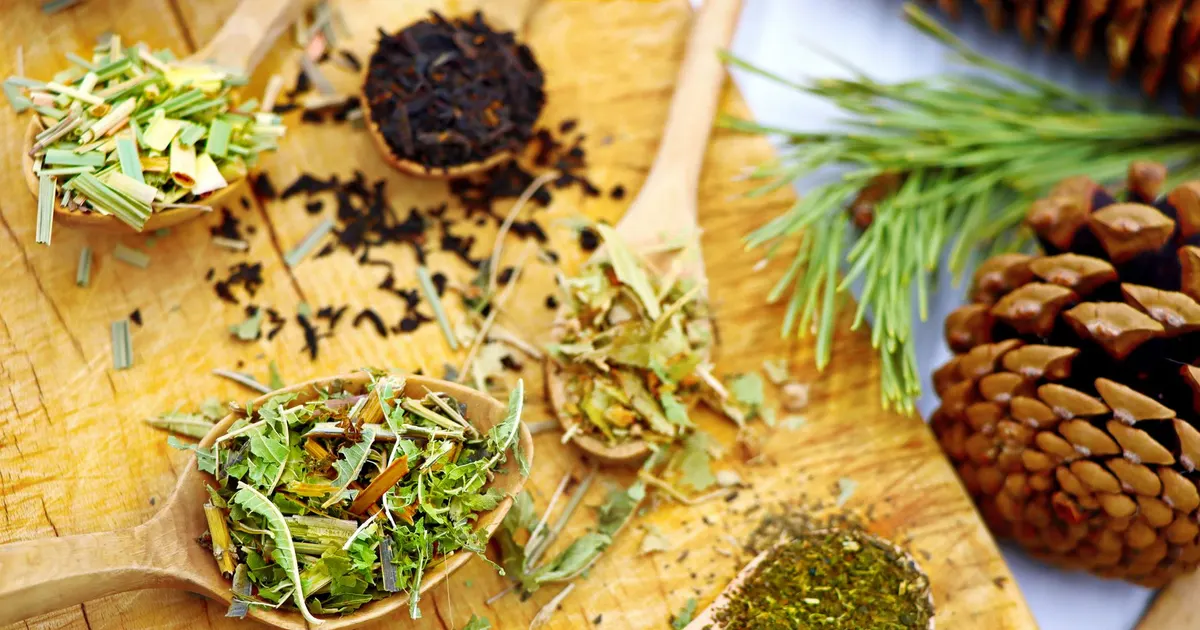
Photo: Marta Branco / Pexels
The kettle goes on, the bag goes in, and four minutes later you are looking at a cup that tastes of almost nothing. So you spend more on a nicer box, and it still tastes of almost nothing.
Most product pages will not tell you this: the biggest variable in your cup is not the leaf, it is your water. Much of England sits on hard, chalky water that coats the leaf and mutes it, which is why tea made at a friend's house in Scotland or Cornwall can taste oddly thin and sharp by comparison. Same leaf, different postcode, different drink. Before you compare Assam with Ceylon, work out what your kettle is doing to your tea.
What Makes a Good Black Tea
Black tea is not wine. It does not improve with age, it fades. The oils that give you malt, fruit and smoke start disappearing the moment the leaf is packed, so a tin that has sat in a warehouse for two years will taste dull however grand the name on it. When you shop online, look for a harvest or packing date, or at least a shop that clearly turns its stock over. A listing that says nothing about when the tea was picked has told you something.
Leaf grade is not flavour
You will see strings of letters on loose leaf listings: Orange Pekoe, Flowery Orange Pekoe, and longer versions with golden letters in front. These describe the size and appearance of the leaf, not how it tastes. A large, handsome leaf can brew a thin cup; a broken leaf can brew a rich, malty one that stands up beautifully to milk. Do not pay more for acronyms.
What to look for in the leaf itself
Good black tea smells of something specific: malt, dried fruit, cocoa, a hint of woodsmoke, depending on where it grew. If it smells of dust, or of nothing, that is your answer. It should feel dry and springy rather than crumbling to powder in the bag. Lots of dust at the bottom means a cup that turns bitter the second you look away from it.
Breakfast Blends vs Single Origin
Breakfast blends exist because of milk and hard water. They are usually built around Assam for body, with Ceylon or Kenyan leaf for brightness and sometimes a little Darjeeling for aroma. The point is to be forgiving: strong enough that a splash of milk does not erase it, and robust enough to survive a chalky kettle. If you drink your tea white every morning, a blend is the sensible buy.
Single origin means tea from one region or one garden. Assam is bold and malty. Ceylon is crisp and citrusy. Kenyan is brisk and bright, and takes milk very well. Darjeeling is the fussy one: first flush is light, floral and almost green, while second flush is rounder and closer to what most people picture when they hear the name. Nilgiri is fragrant and clean, and quietly one of the best value regions going.
The rule that saves the most money: if you take milk, buy blends, Assam or Kenyan. If you drink it black, that is when single origin earns its keep. Buying a delicate first flush Darjeeling and drowning it in semi-skimmed is the most common way people waste money on tea.
Reading Descriptions and Origin Labels
Some words carry real information. The region or garden name. The flush, whether first, second or autumn. The harvest year. Whether the tea is orthodox or CTC.
Others carry almost none. Premium. Luxury. Golden. Exotic. Hand-picked, which describes most decent tea anyway. Breakfast, when it is stuck on a single origin that has nothing breakfasty about it.
Orthodox versus CTC is worth understanding. CTC is the small round granule used in most teabags: it brews in seconds, goes strong fast, and turns bitter if you get distracted. Orthodox is whole or broken leaf that unfurls slowly and gives you more to taste. Both have a place, but if you are new to loose leaf, orthodox is far more forgiving.
Two more things. A shop that publishes brew suggestions, something like four minutes with water just off the boil, knows its own stock. A shop that says brew to taste probably has not tried it. And look for sample pouches. Ordering three or four small packets from different regions before committing to a large bag is the best way to find out what you actually like, rather than what sounds impressive.
Brewing Black Tea for UK Water
If your kettle furs up
Filter your water. This is the single biggest improvement available to most people in southern and eastern England, and it costs less than upgrading your tea. Use a little more leaf than feels right, because hard water needs more tea to taste of anything. And do not reboil. Water that has been through the kettle twice has lost oxygen and makes a flat, lifeless cup. Fresh from the tap, boiled once.
If your water is soft
Soft water pulls flavour out of the leaf much faster. Shorten the brew by a minute or use slightly less leaf, otherwise you get a thin cup with a slightly metallic edge. In very soft water areas, a tiny pinch of salt in the pot is an old trick that genuinely works, though brewing shorter is easier to get right.
Time, temperature and kit
Black tea wants water at a rolling boil, poured straight onto the leaf. Three minutes gives you a light, bright cup; four to five gives you something with shoulders. Past six minutes you are mostly drinking tannin, that drying, mouth-gripping feeling at the back of your tongue.
Use a pot, or at least a roomy infuser basket. A small ball infuser crammed into a mug stops the leaf unfurling properly, and you get half the flavour from the same amount of tea.
Milk, Lemon or Plain
Milk flatters malt and body, so it suits Assam, Kenyan, most breakfast blends and second flush Darjeeling. Pour it in after the tea so you can judge the colour, and use less than you think. The old habit of milk in first came from protecting thin china from cracking, not from anything to do with flavour.
Lemon suits brightness: Ceylon, Nilgiri, lighter Darjeeling. Do not add lemon to a tea you would take with milk, because the acid curdles it and the result looks like something went wrong.
Plain is where single origin earns its keep. A good second flush Darjeeling or a high-grown Ceylon, drunk black in a proper cup, is a genuinely different drink from the one most of us grew up with.
Finally, store it properly. A tin, away from light and heat, and nowhere near the spice rack. Loose leaf left open beside the ground cumin will taste of cumin by March. Buy smaller amounts more often, especially if you drink two cups a day rather than ten.
Go and taste your tap water. If it furs the kettle, order a filter before you order any more tea. That one change will do more for your mornings than any upgrade in leaf.