The Spice Drawer Reset: Buying Herbs and Spices Online in the UK
A twice-yearly clear-out of the spice drawer is the simplest upgrade to your cooking. Here's how to buy herbs and spices online without ending up with dusty jars.

5 min read
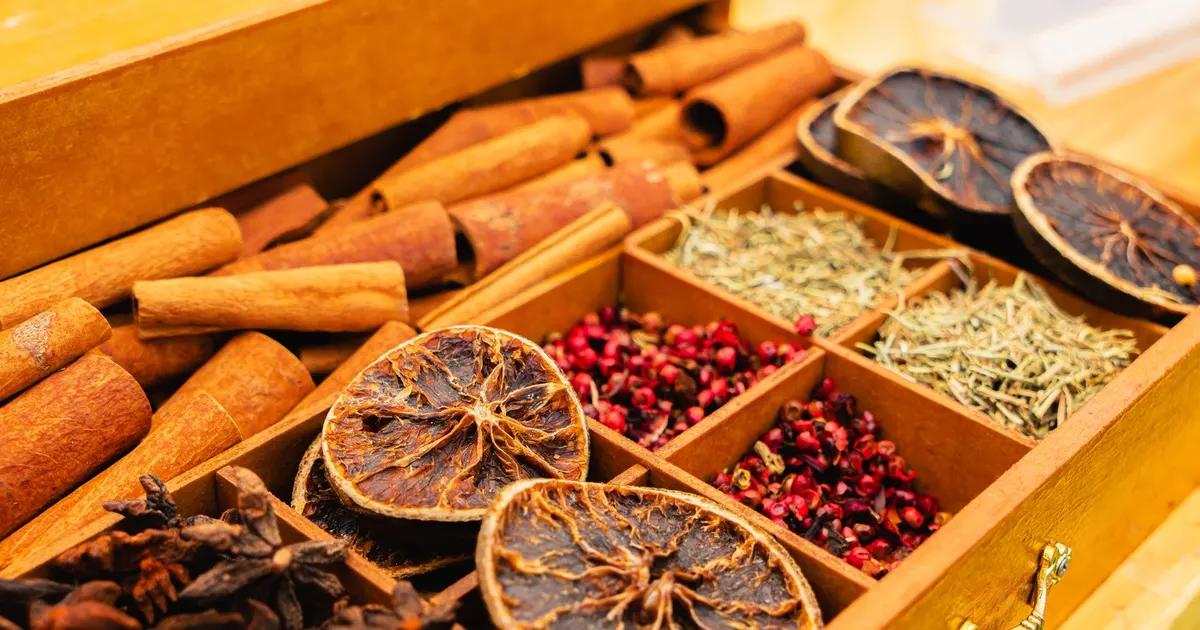
Photo: Lucas Andrade / Pexels
Why the spice drawer is the first place to look
Every British kitchen has one: the cupboard above the hob, or the drawer beside the kettle, full of half-used jars that smell of nothing. It's the least glamorous corner of the kitchen and the one that quietly ruins the most meals.
A reset twice a year — say, when the clocks change — takes an hour and very little effort. You throw out what's dead, keep what's alive, and buy the handful of things you actually cook with. It's the closest thing to a proper upgrade for your dinner.
What to buy whole and what to buy ground
Whole spices hold their oils for far longer. Ground spices have more surface area, so they fade faster.
Buy whole: cumin, coriander, black peppercorns, cardamom pods, cloves, cinnamon sticks, nutmeg, star anise, fennel seeds, mustard seeds.
Buy ground, but in smaller amounts: turmeric, paprika, ginger, garlic powder, chilli powder, cumin (if you don't grind), cinnamon (if you bake a lot).
The compromise that works for most people: whole seeds for anything you toast and grind, ground for anything you use by the spoonful in a hurry. If you don't own a grinder, a cheap electric coffee grinder kept for spices is the single best purchase. A pestle and mortar works too, and it's quieter.
Reading a listing before you click
Online listings for spices are often vague. Look for three things.
A packed-on or harvest date. Not a best-before year that could mean anything. Spices don't go off in a dangerous way, but they do go flat. A recent date tells you the seller turns stock over.
Origin and variety. Tellicherry peppercorns, Kashmiri chilli, Ceylon cinnamon — these are not marketing fluff. Ceylon cinnamon is the softer, sweeter one; cassia is the punchier, cheaper one and contains more coumarin, which matters if you use a lot. For chilli, the variety tells you heat and flavour.
Packaging. Foil-lined, resealable pouches beat cellophane bags that split in the post. If it arrives in a clear bag, decant it straight away.
Also check the quantity against your actual cooking. A large bag of a spice you use once a year is a false economy — you'll be throwing most of it out. Split a big bag with a friend, or buy the smaller size.
Where to buy
There's no single best place, and you don't need to pick one.
Supermarket aisles are fine for staples you replace often. The jars are convenient, but you're mostly buying glass and shelf presence.
Online specialists tend to be better on freshness, origin and whole spices. Many sell by weight, so you can order a small amount to try.
Wholefood shops and refill shops let you buy the amount you need into your own jar. Good for things you use in small quantities, and it cuts packaging.
World food aisles and market stalls are often excellent value for larger bags of things like cumin, coriander and chilli — as long as you'll use them.
Spice subscriptions can be a nice way to try new things, but only if you cook adventurously. Otherwise you end up with a shelf of untouched blends. A better approach: pick one new spice a month and build a meal around it.
A quick word on refills and jars
Refill pouches are usually better value and use less plastic than new jars. Decant into small glass jars with tight lids, and write the date on the lid with a marker. Keep the original bag if it has the origin or harvest date on it, or copy that onto the label.
Storage that works in a British kitchen
Most spice decline is a storage problem, not a quality problem.
- Keep spices away from the hob, the oven, the kettle and the dishwasher. Steam is the enemy.
- Dark, cool and dry beats a pretty rack on a sunny windowsill.
- Small jars beat big ones. Every time you open a big jar, you let in air and moisture.
- Whole nutmeg keeps for ages in a jar. Grated nutmeg in a bag does not.
- Dried chillies, curry leaves and bay leaves do well in the freezer if you use them slowly.
- If a spice has clumped, it's taken on moisture. Taste it. If it's dusty or smells of nothing, bin it.
A starter list for a reset
You don't need thirty jars. For most British cooking, this covers the basics.
- Black peppercorns, whole
- Cumin seeds
- Coriander seeds
- Smoked paprika
- Sweet paprika
- Turmeric
- Ground ginger
- Cinnamon sticks
- Dried oregano
- Bay leaves
- Chilli flakes
- Nutmeg, whole
- Cardamom pods
- Mustard seeds
- Curry leaves, dried or frozen
Add seasonal things as you need them: mixed spice and cloves for autumn baking, dried mint and sumac for summer salads, star anise for winter braises.
Habits that use them up
A spice you never use is clutter. These habits keep the drawer moving.
- Toast whole spices in a dry pan before grinding. It takes a minute and doubles the flavour.
- Make one house blend — a curry powder, a baharat, a taco mix — and keep it in a small jar. Use it within a few weeks.
- Sprinkle, don't scoop. A pinch of cumin over roast carrots or a pinch of cinnamon in coffee uses more than you think.
- Cook one dal, one roast veg tray and one soup a week. Between them they'll empty most jars.
- Make a spice tea: cardamom, cinnamon and a slice of ginger in hot water. Good for a cold afternoon.
- Label everything with the date you opened it. It stops the guessing game.
The verdict
Buy less, buy it more often, and buy whole where you can be bothered to grind. Keep it dark, cool and away from the kettle. Label the jars. A spice drawer reset won't change your life, but it will change your Tuesday night dinner — and that's most of the week.